Send Your RFQ to Synbase Steel
Prefer to send drawings, BOMs or attachment lists by email? sales@synbasesteel.com

Seven seamless pipe families from one mill, each with a heat-number-traceable EN 10204 3.1 certificate on every length, shipped direct to projects in 100+ countries. Seamless carries roughly 20% more working pressure than welded pipe of the same size, and there’s no weld seam to inspect or corrode.
Request a Seamless Pipe Quote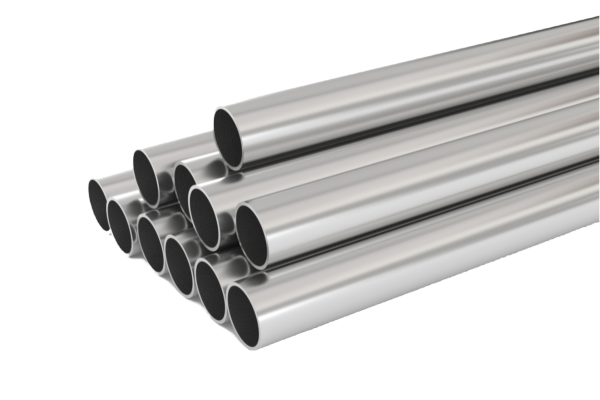
Seamless steel pipe starts as a solid round billet that’s pierced and rolled into a hollow tube, so there’s no weld seam to act as a corrosion path or a pressure-rated weak point. That’s exactly what codes and clients mandate for high-pressure, high-temperature and sour service.
The cost of getting it wrong runs both ways. Over-specify seamless on a low-pressure water line and you waste budget; under-specify welded pipe on sour or cyclic service and you’ve paid for a failure.
In corrosive service the weld seam is attacked along the bond line faster than the parent metal, cutting a groove down the seam while the rest of the pipe still look new. Seamless removes that path completely, the grain run continuously around the full circumference, so there’s no seam to groove, sensitize, or under-inspect.
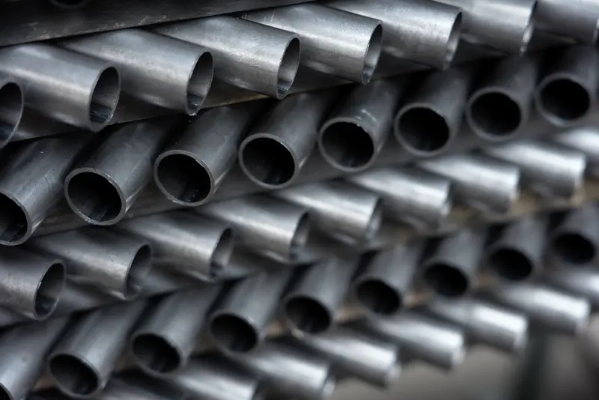
“Seamless steel pipe” is a category, not a single product, and the costly mistake is sizing from the wrong family. The material system, governing standard and finish change completely between a power-plant superheater tube and a hydraulic cylinder barrel.
These Synbase families are dedicated production lines with specific grades certified under EN 10204 3.1 MTC. Select the Synbase family suitable for your service and click on the specific product family to consult grade and dimension charts.
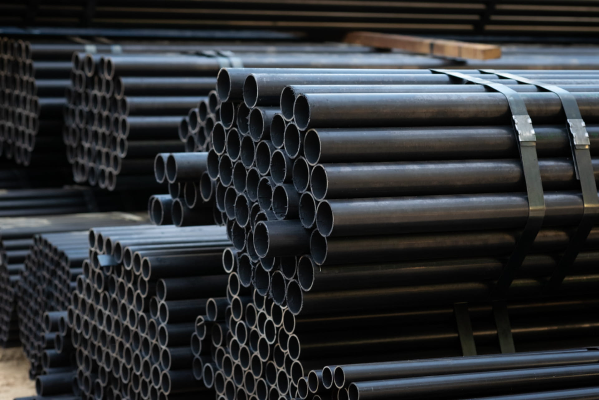
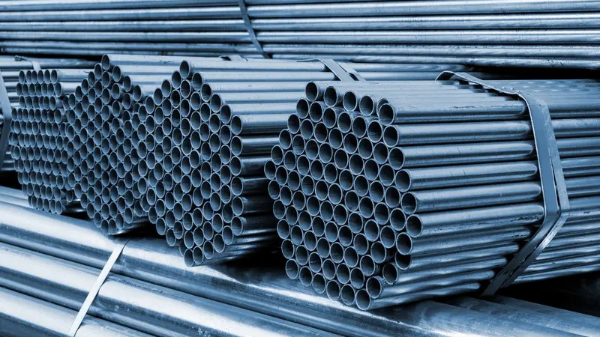
The workhorse seamless carbon steel pipe for steam, water, oil and gas and structural service up to ~425°C, including seamless line pipe to API 5L. A106 Gr B is the default high-temperature grade.
View carbon steel seamless pipe →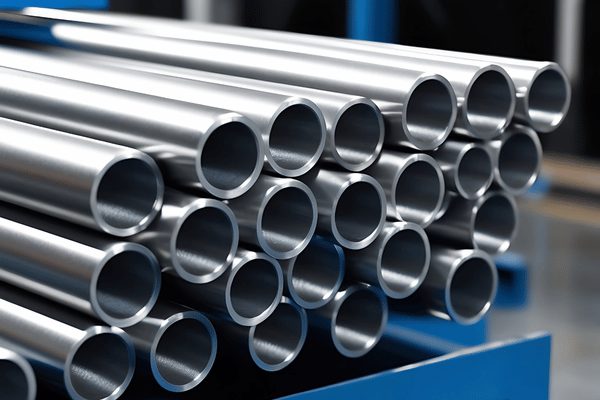
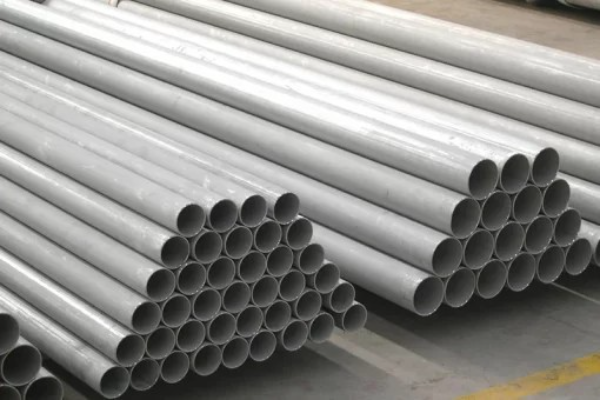
Corrosion-resistant 304/304L, 316/316L and duplex grades for chemical, food, marine and high-purity piping where carbon steel won’t survive.
Compare stainless steel seamless pipe →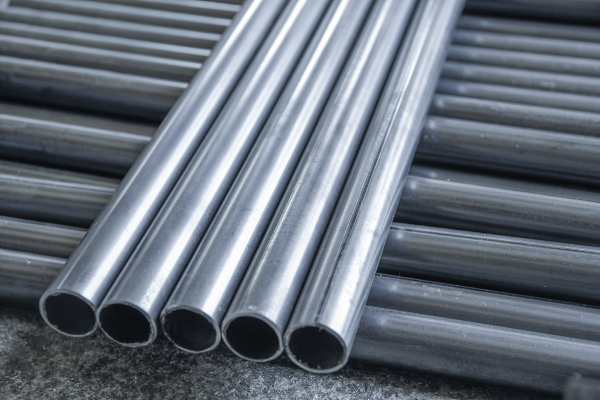
Chromium-molybdenum alloy pipe for temperatures above 425°C, where creep strength governs, power generation, refineries and boilers.
See alloy (Cr-Mo) seamless pipe →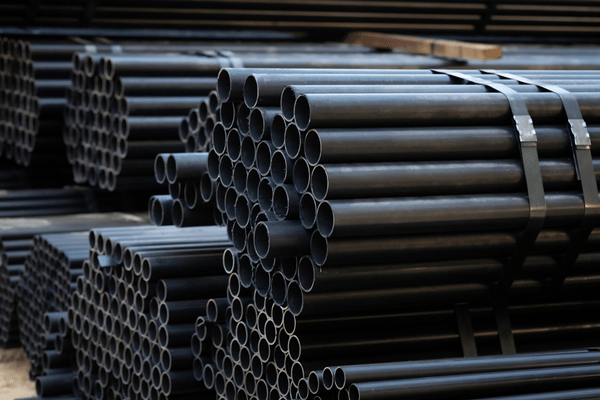
Seamless boiler, superheater and economizer tube for water-tube and fire-tube boilers, rated for high-temperature pressure-part service.
Open seamless boiler tube specs →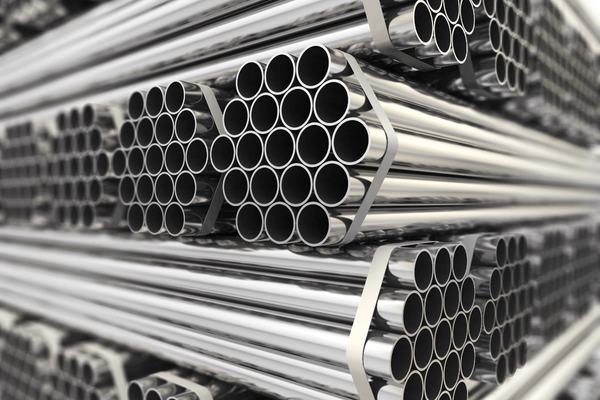
Precision OD × BWG seamless tube for shell-and-tube exchangers and condensers, with tight wall tolerance for thermal performance.
Browse heat exchanger tube →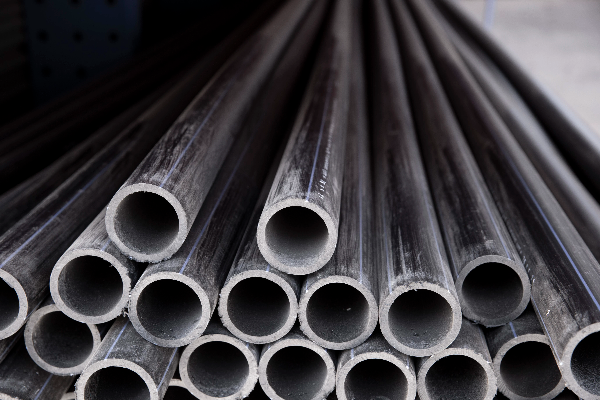
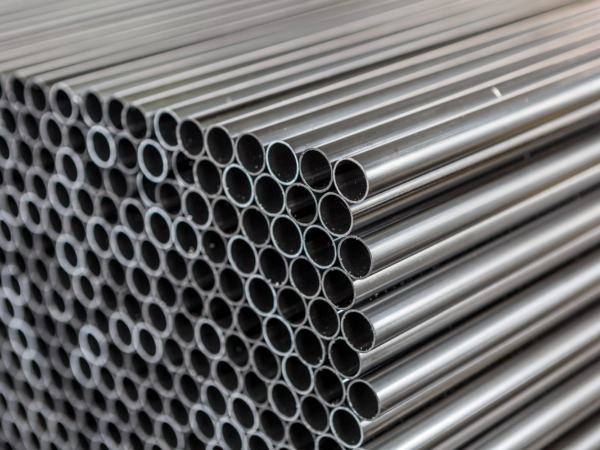
Cold-drawn (CDS) and hot-finished seamless steel tube for hydraulic cylinders, bushings and machined parts, with exact ID/OD tolerance.
See mechanical seamless tubing →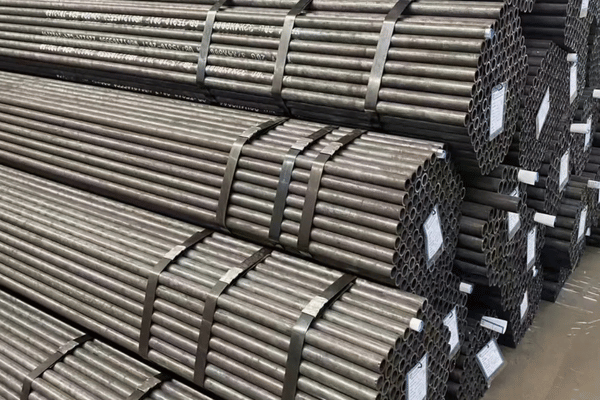
Charpy-impact-tested low-temperature carbon and alloy pipe for LNG, cryogenic systems and cold-climate lines down to −45°C and below.
Open low-temperature A333 pipe →| If your service is… | Family | Material system | Governing standard | Temp / property niche |
|---|---|---|---|---|
| General high-temp steam, water, oil & gas | Carbon seamless | Carbon steel | ASTM A106 / A53-S / API 5L | Up to ~425°C |
| Corrosive, hygienic or marine | Stainless seamless | 304 / 316 / duplex | ASTM A312 / A790 | Corrosion resistance |
| Creep service above 425°C | Alloy (Cr-Mo) | Cr-Mo alloy steel | ASTM A335 (P11/P22/P91) | High-temp creep strength |
| Boiler / superheater pressure parts | Boiler tube | Carbon & alloy | ASTM A192 / A210 / A213 | High-temp boiler service |
| Heat transfer (condenser / exchanger) | Heat exchanger tube | Carbon, stainless, alloy | ASTM A179 / A213 / A249 | Tight OD × BWG tolerance |
| Hydraulic, machined or structural parts | Mechanical tubing | 1018 / 1026 / 4130 | ASTM A519 (CDS / HFS) | Exact ID/OD & machinability |
| Cryogenic / cold-climate toughness | Low-temperature | Impact-tested carbon/alloy | ASTM A333 Gr 6 | Toughness to −45°C+ |
The honest answer to “ERW vs seamless pipe” isn’t “seamless is always stronger.” As field engineers put it, seamless pipe isn’t better than welded – it just carries a different set of defects. Modern high-frequency-welded (HFW) pipe often fails in the pipe body rather than the seam in burst tests, and for water, structural and standard distribution lines a properly treated welded pipe is reliable and cheaper.
What seamless buys you is margin where it counts: no seam to de-rate, no bond line to corrode, and a uniform wall for cyclic and high-temperature duty. Where a weld is present, welded pipe needs full 100% ultrasonic inspection on the seam for critical service – a step seamless simply doesn’t require. The table below places the two on real numbers, not High/Medium/Low.
Most buyers arrive with a standard, not a family – an ASTM A312 callout, an A335 P91 line, an A333 cryogenic spec. The index below maps each common seamless specification to the right material system and the Synbase family that produces it.
This is the data competitors leave off the page: a single lookup from standard to product, so your engineer specifies and your buyer RFQs from the same row.
| Standard / spec | Material | Typical grades | Service | Synbase family |
|---|---|---|---|---|
| ASTM A106 | Carbon steel | Gr A / B / C | High-temperature service | Carbon seamless |
| ASTM A53 Type S | Carbon steel | Gr B | General & structural | Carbon seamless |
| API 5L (seamless) | Carbon steel | B, X42–X70 | Oil & gas line pipe | Carbon seamless |
| ASTM A312 | Stainless | TP304/304L, TP316/316L | Corrosive / hygienic | Stainless seamless |
| ASTM A790 | Duplex stainless | S31803 / S32750 | Chloride / high-strength | Stainless seamless |
| ASTM A335 | Cr-Mo alloy | P11 / P22 / P91 | Creep > 425°C | Alloy (Cr-Mo) |
| ASTM A213 | Alloy / stainless | T11 / T22 / T91 / TP347 | Boiler & superheater tube | Boiler tube |
| ASTM A192 / A210 | Carbon steel | A210 A1 / C | Boiler & economizer tube | Boiler tube |
| ASTM A179 / A249 | Carbon / stainless | Low-carbon, TP304 | Heat exchanger / condenser | Heat exchanger tube |
| ASTM A519 | Carbon / alloy | 1018, 1026, 4130 | Mechanical / hydraulic | Mechanical tubing |
| ASTM A333 Gr 6 | Impact-tested | Gr 6 / Gr 3 | Low-temp / cryogenic | Low-temperature |
Material specifications per ASTM; pipe schedule and dimension classes per ASME B36.10M.
The reason seamless pipe carries its pressure rating is the seamless pipe manufacturing process itself, not a marketing claim. A solid billet is pierced and rolled so the grain flows continuously around the wall – there’s no seam introduced at any step.
Synbase runs the full Mannesmann manufacturing process in-house, which is what lets the heat behind your pipe be documented end to end on the certificate.
A round steel billet is charged to a rotary-hearth furnace and brought to forging temperature.
The red-hot billet is pierced over a plug to form a thick-walled hollow shell, the step that makes the pipe seamless.
A mandrel bar is inserted and a 5–8-stand mandrel mill reduces wall thickness to form the mother tube.
The tube is rolled to its final outside diameter and nominal pipe size with tight wall-thickness tolerance.
Normalizing, annealing or quench-and-temper per grade restores grain structure and mechanical properties.
Mechanical and precision tubing is cold drawn over a mandrel for exact ID/OD tolerances and surface finish.
100% UT plus hydrostatic test verify wall integrity before the pipe ships.
Heat-number-traceable chemistry and mechanicals, certified by Synbase mill inspection.
“On a seamless line the integrity is built in at the pierce, not bolted on at a weld station. We tie every length back to its heat number on the 3.1 certificate, chemistry, yield, tensile and the ultrasonic result, because the buyers who specify A106 or A333 audit that document, not our brochure.”
This continuous-grain principle is where decades of process metallurgy point. USPTO-granted work on the mandrel-mill route, for example US 2009/0308125 on mandrel-mill seamless manufacturing and US 9,302,302 on seamless pipe rolling, confirms that wall uniformity is engineered through piercing and elongation control, not added afterward.
Documentation is part of the product, not an upsell, a missing certificate means a failed vendor audit or a rejected shipment. Synbase quality, environmental and safety systems are certified to ISO 9001, ISO 14001 and ISO 45001, and here’s the manufacturing depth behind the certificates.
Synbase is the pipeline-equipment core enterprise of E-CHENG STEEL GROUP, which runs its own production bases for seamless pipe, welded pipe, fittings, flanges and valves, an integrated chain of production, processing, warehousing and logistics rather than a trading desk.
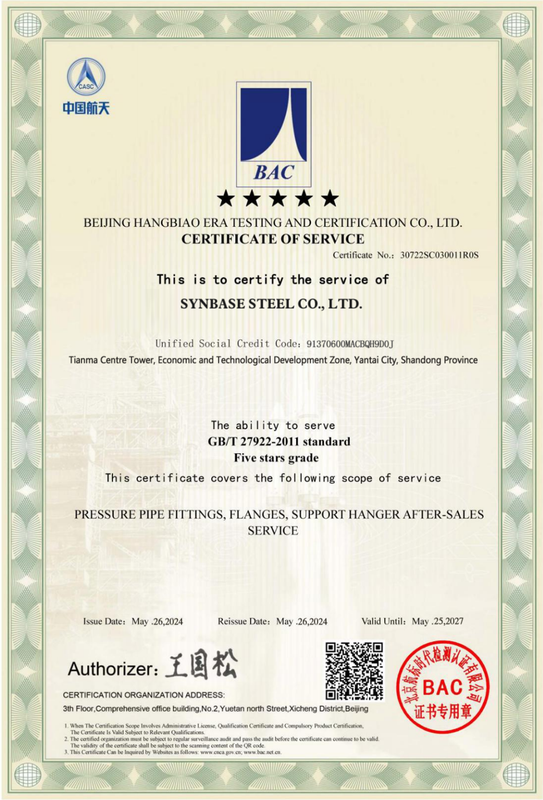
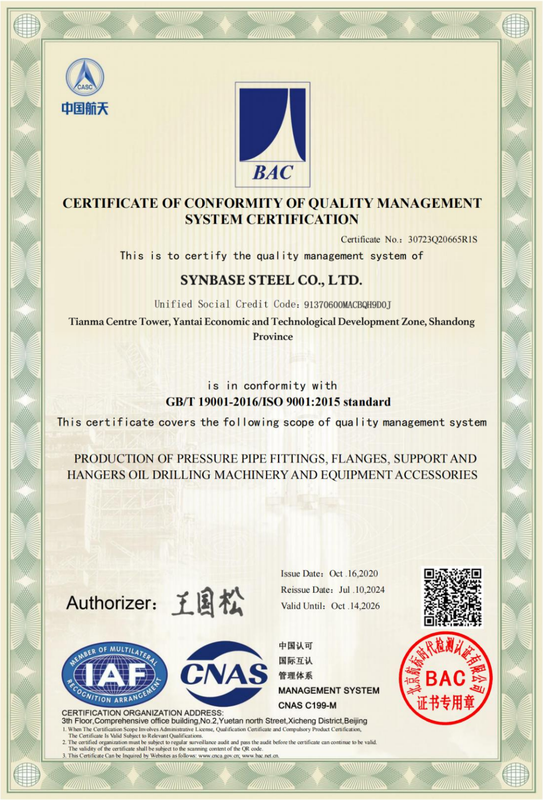
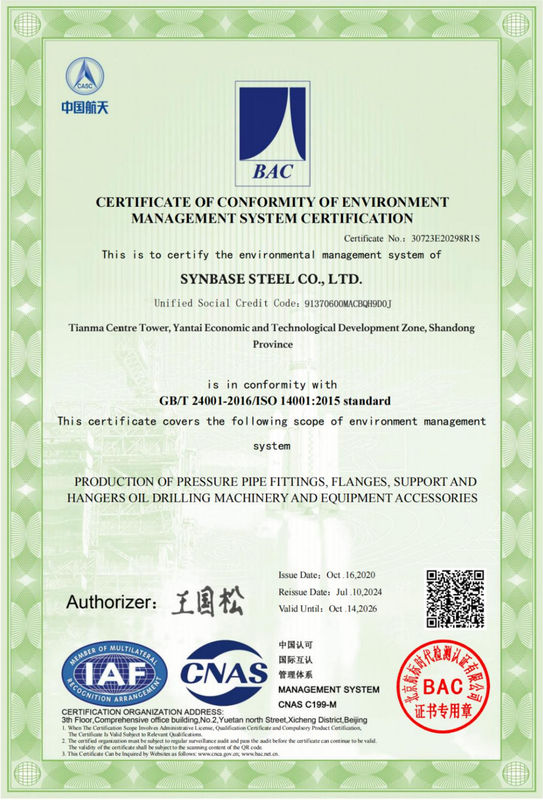
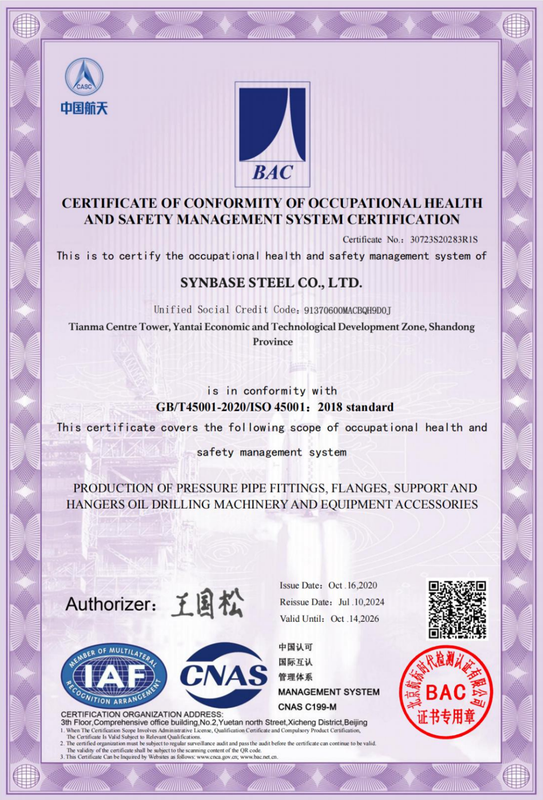
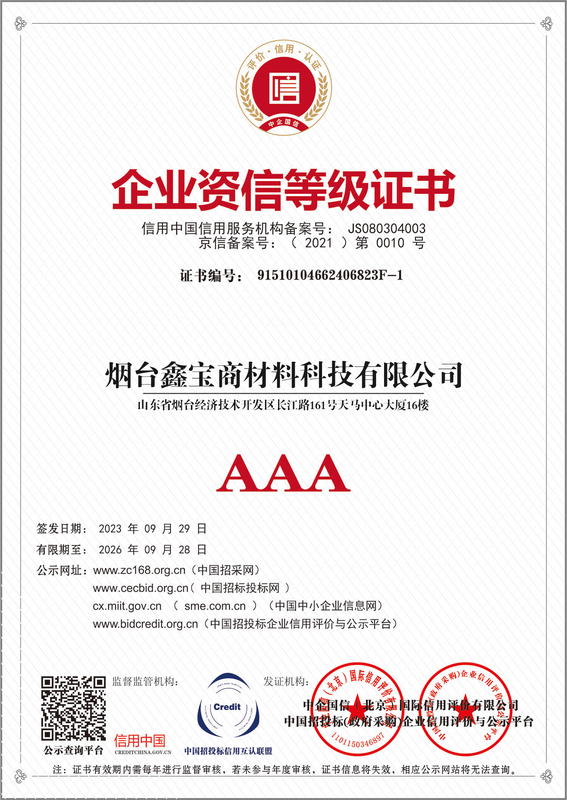
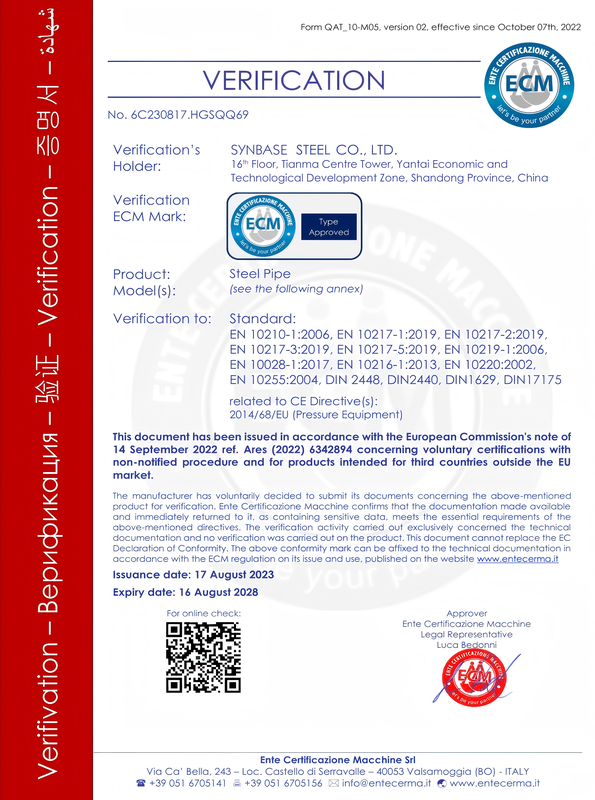
Control is with you through the MTC. An EN 10204 3.1 cert is traceability, confirming material grade, heat, composition, mechanical and any hydrostatic/NDT results for the precise pipe you take delivered – it links through heat to the original mill cast. Any vendor who dismisses the mill test certificate as ‘optional’ has put their ‘qualified supplier’ credentials firmly in the bin before the order has even been placed – because he is your potential cause of premature corrosion and field failure in the plant.
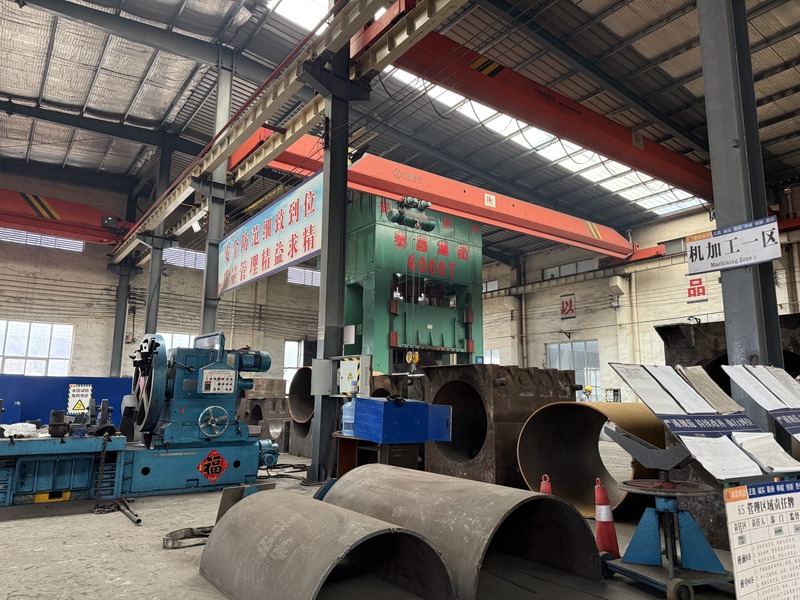
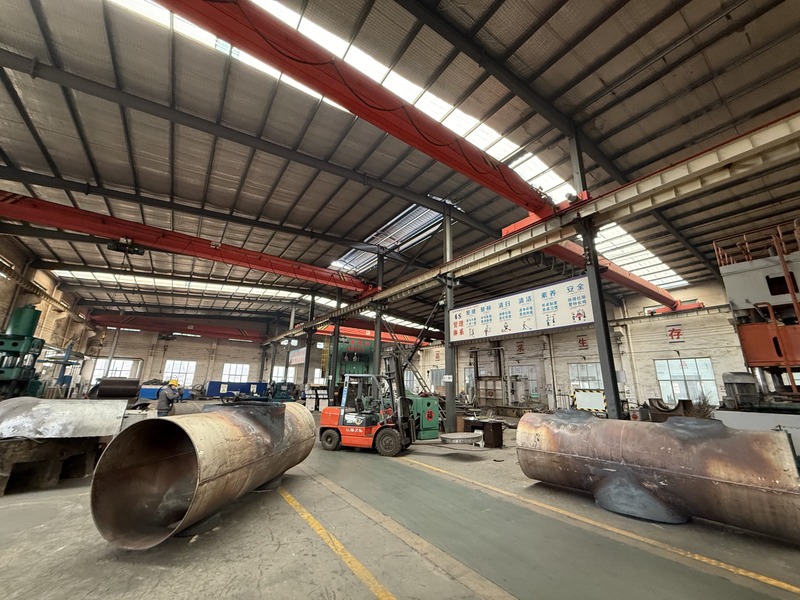
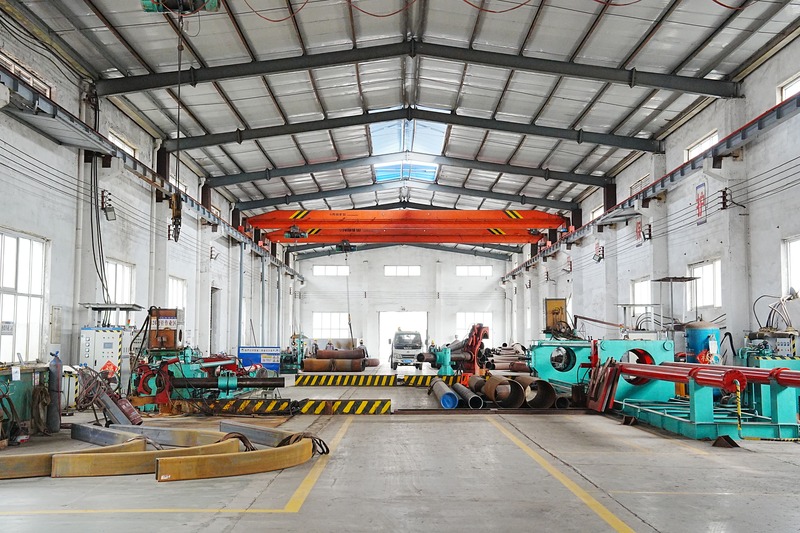
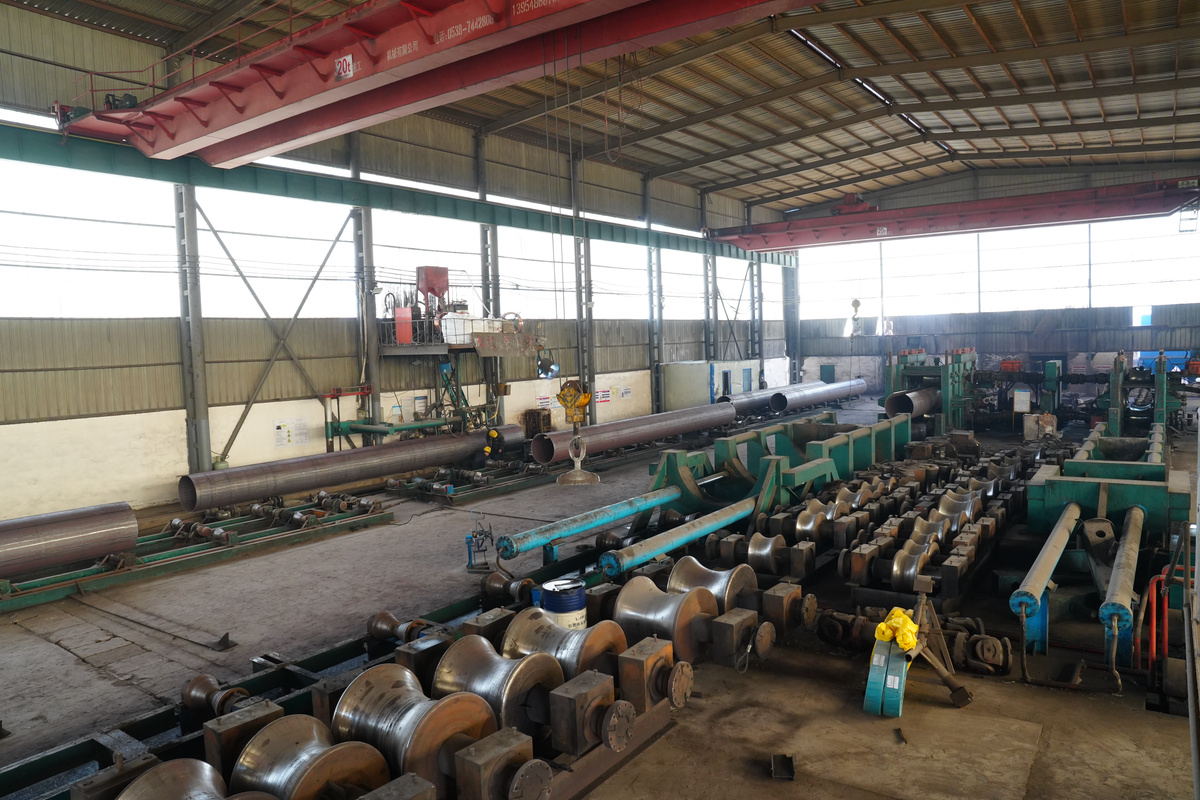
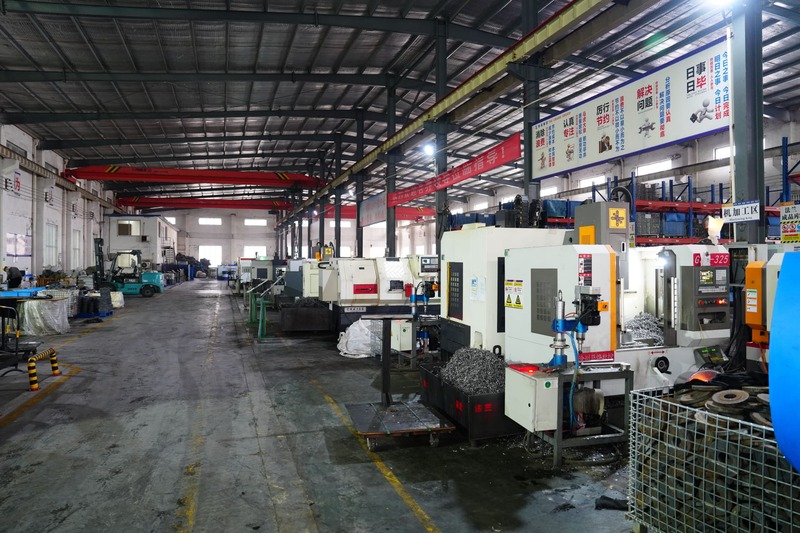
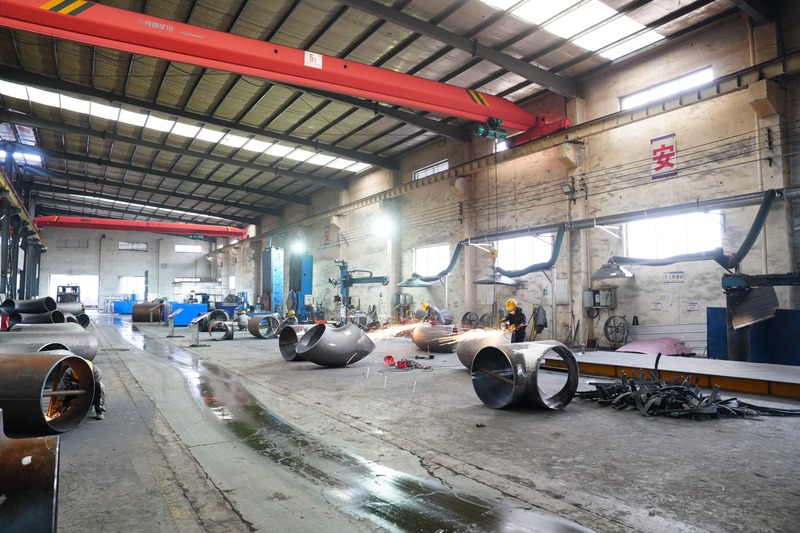
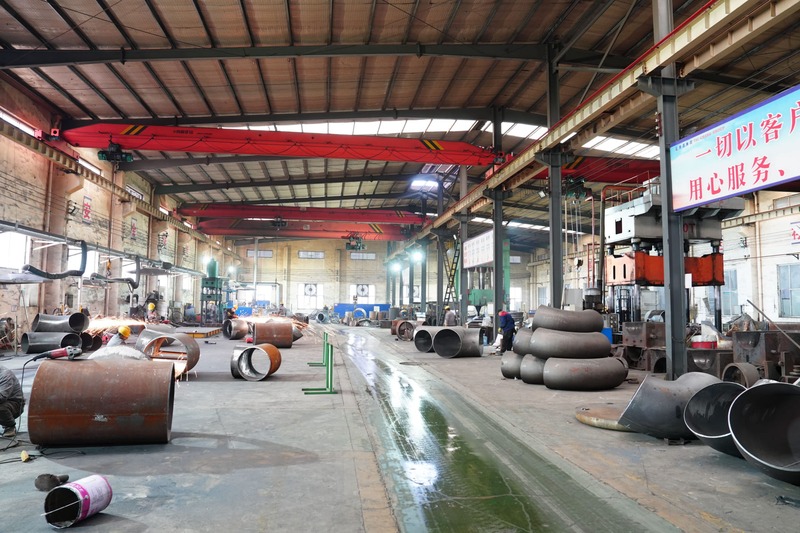
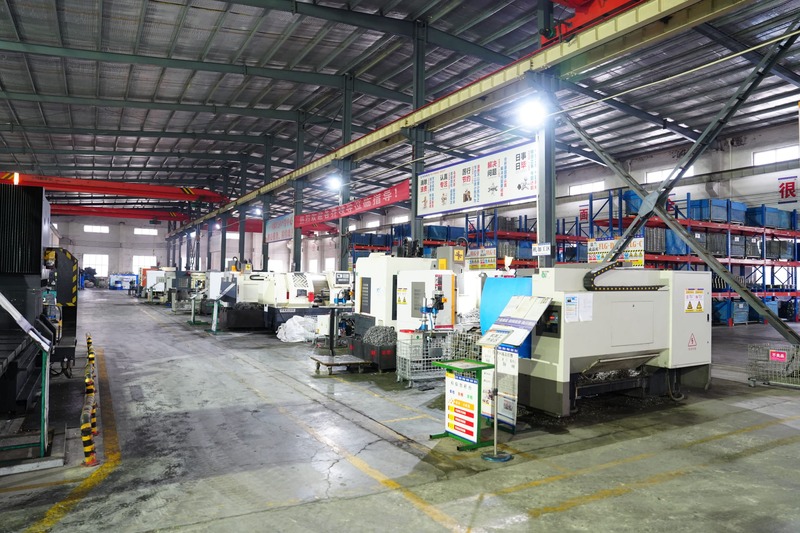
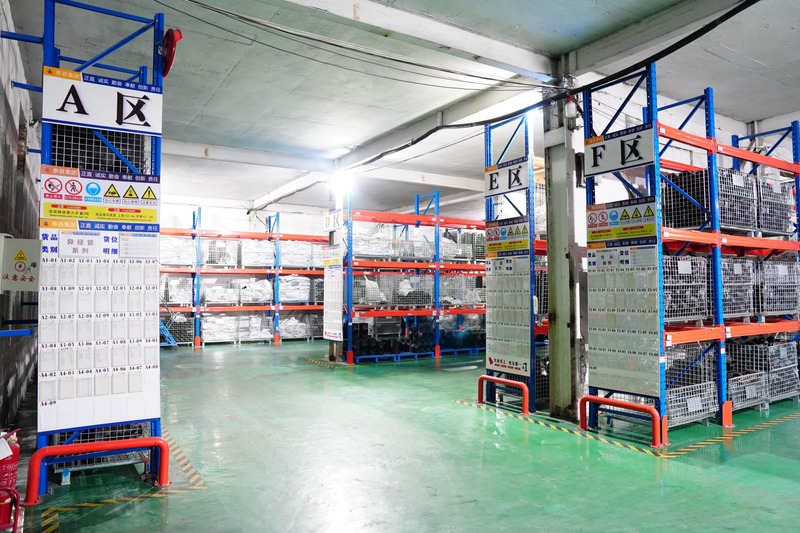
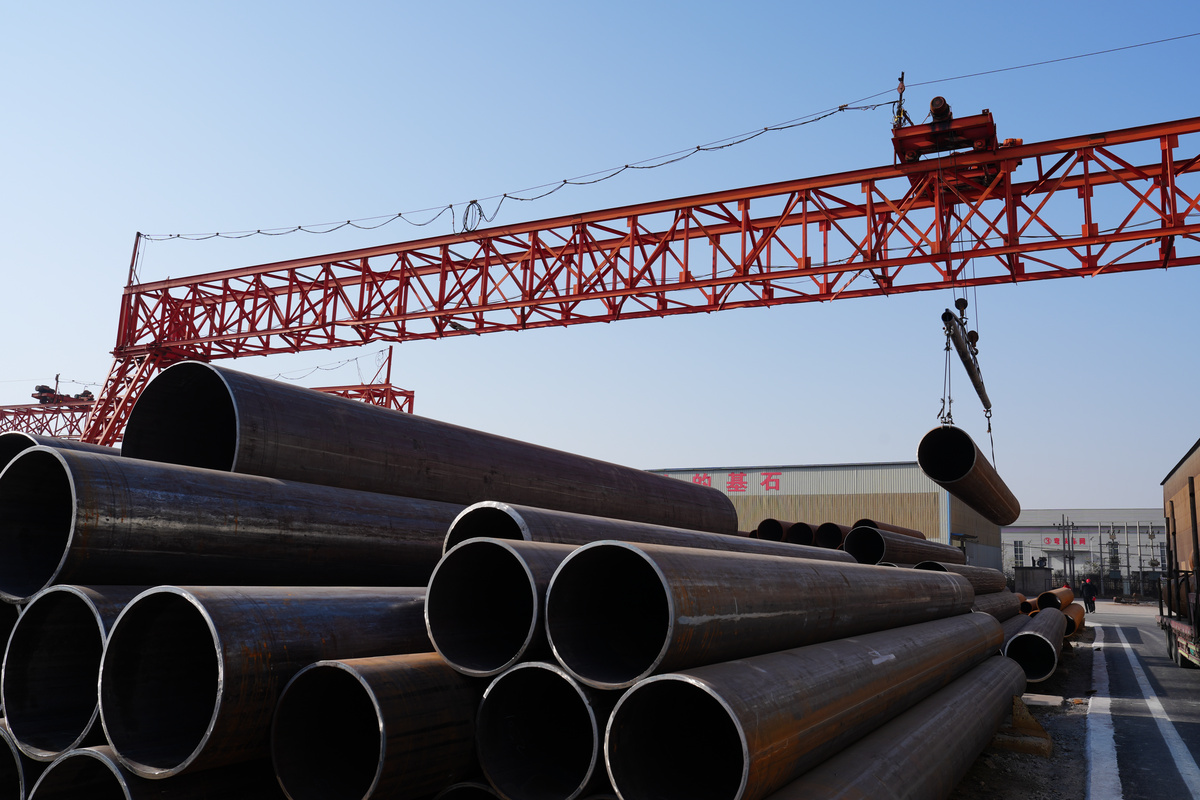
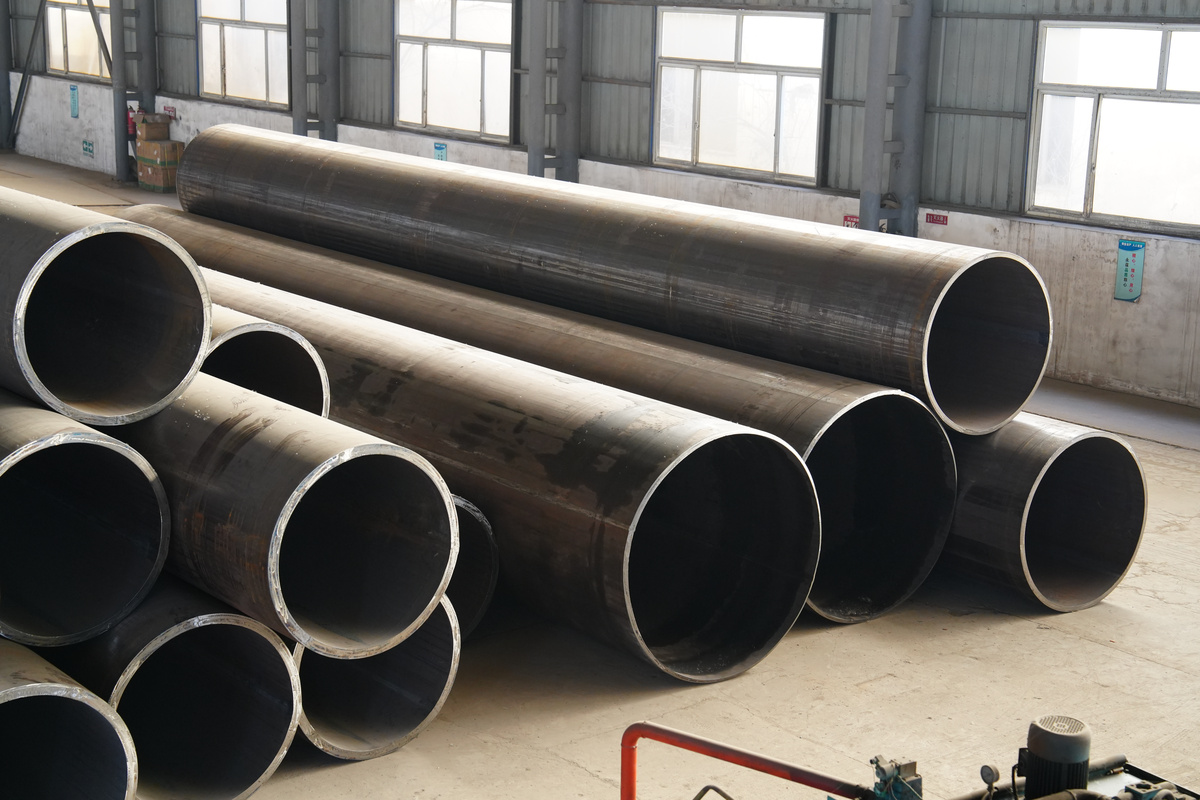
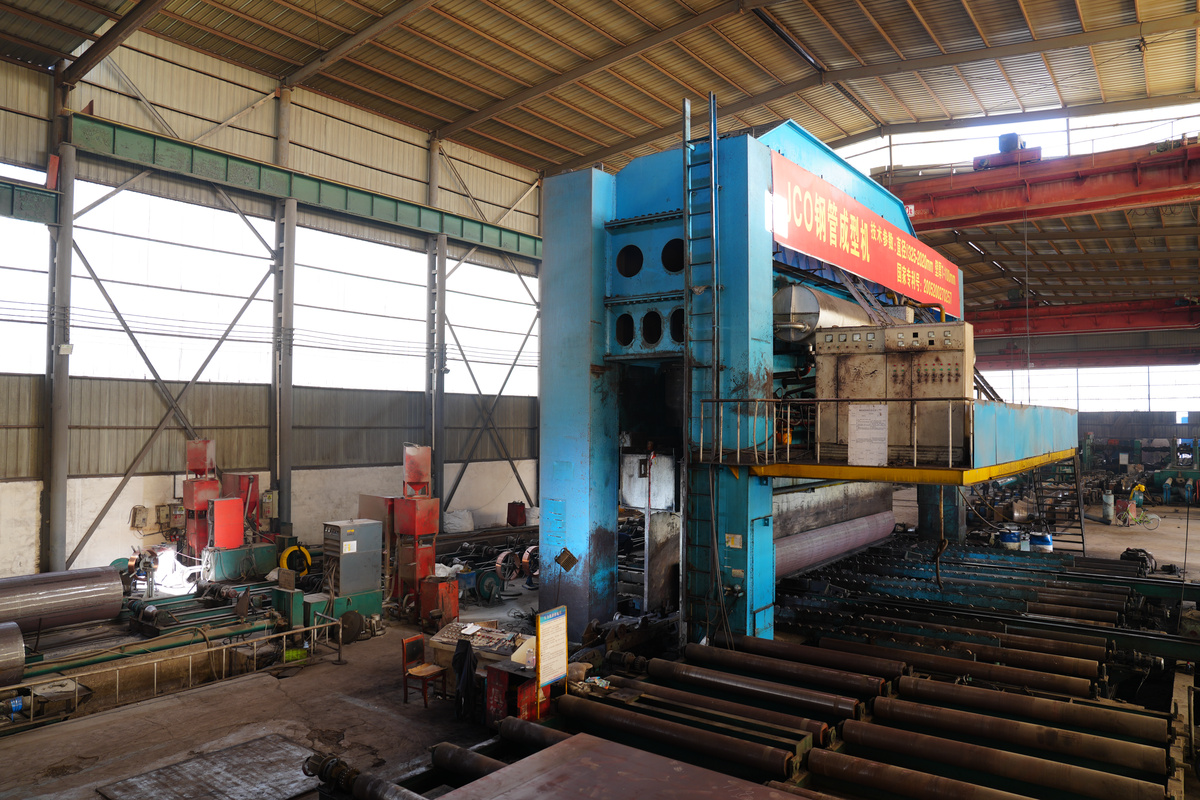
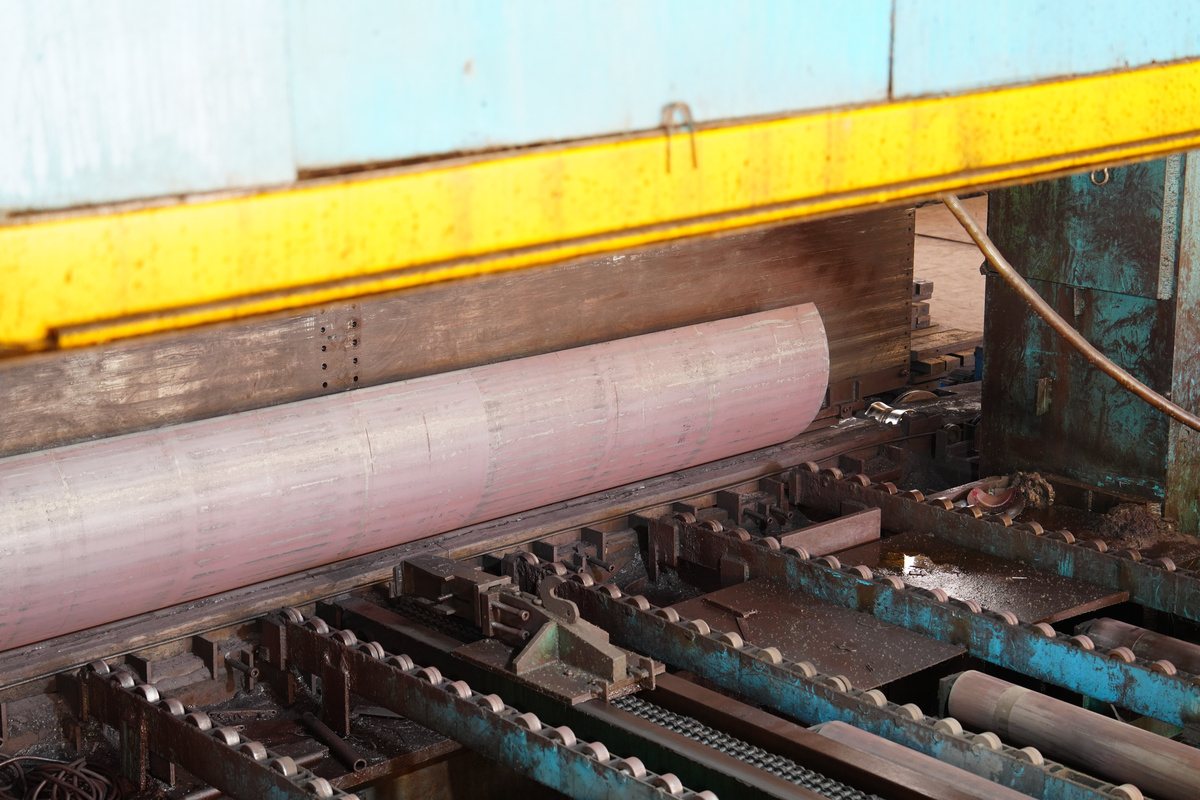
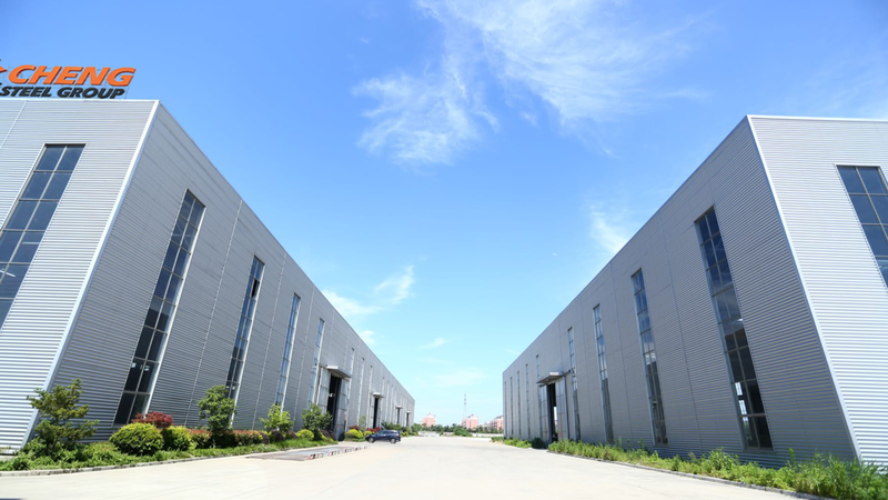
The price line the mill put on a quote isn’t really the price – far from it. By going direct to a seamless tube manufacturer, you change the whole cost of doing business; and, of course, you get entirely different paperwork along with your material.
Per ASME B31.3 weld joint factor (seamless E=1.00 vs ERW 0.85). Seamless typically costs more per tonne than welded; the premium is justified where pressure, sour service or failure cost demand E=1.00. Industry reference, not a quotation.
A distributor adds a margin layer and ships from blended stock, so the heat behind your pipe can be hard to trace. As a direct factory, Synbase issues the EN 10204 3.1 (or 3.2) certificate itself and quotes against your exact OD, wall, grade and quantity, typical seamless carbon Schedule 40 trades in a published industry band, but your number depends on these levers, so we price the specification rather than a headline tonne.
Access interactive engineering tools for pipe selection, weight calculation, and structural comparison. Select a module below to open the calculator in a new tab.
Filter and determine the appropriate seamless pipe standard and material grade for specific industrial applications.
Launch Tool TOOL 02Calculate the theoretical weight and dimensional tolerances based on standard OD, wall thickness, and length.
Launch Tool TOOL 03Evaluate technical factors to compare seamless versus welded pipe suitability for your specific service parameters.
Launch ToolSend Synbase your standard, grade, OD wall and quantity. You’ll get a mill-direct quotation, a sample EN 10204 3.1 MTC, and an honest answer on which of the seven seamless families – or welded – fits your service.
Request a Seamless Pipe QuoteSeamless steel pipe is pipe made without any welded seam, formed by piercing a solid heated steel billet into a hollow shell and then elongating and sizing it to the required outside diameter and wall thickness. Because there’s no weld seam or joint, the grain structure is continuous around the wall, which is why seamless pipe is specified for high-pressure, high-temperature and corrosive service.
Seamless pipe carries about 20% higher working pressure than ERW welded pipe of the same size and wall, because ASME B31.3 rates the seamless joint factor at 1.00 versus 0.85 for ERW. That said, modern HFW welded pipe is reliable for water, structural and standard service, for those jobs the strength difference isn’t in the failure path that matters.
Welded pipe is typically 20–40% cheaper than seamless of the same size and grade, because it starts from steel coil rather than a pierced billet. Seamless earns its premium where pressure, sour service, cyclic loading or failure cost require the E=1.00 rating.
Schedule 40 is a wall-thickness class, not a manufacturing method, seamless pipe Schedule 40 is available alongside welded Schedule 40 (A106 Type S vs A53 Type E). Specify “seamless” or “Type S” on the order if your service requires it.
ERW pipe is formed from steel coil that’s rolled and fused along a longitudinal seam with high-frequency current. Seamless pipe has no seam or joint, because it’s drawn from a solid billet. The three practical differences are the ASME joint factor (0.85 vs 1.00), the corrosion behaviour at the seam, and cost (detailed in the table above).
An EN 10204 3.1 Mill Test Certificate is issued by the manufacturer’s inspection function and records the grade, heat number, chemical composition, mechanical properties and test results (including UT/NDT) for the exact pipe supplied. It gives you traceability back to the melt, which is what protects against material mix-ups and supports code compliance and vendor audits.
Seamless pipe and tube from roughly NPS ⅛ to 30 across carbon (A106/A53/API 5L), stainless (A312/A790), Cr-Mo alloy (A335), boiler (A192/A210/A213), heat-exchanger (A179/A213/A249), mechanical (A519) and low-temperature (A333) grades. Use the Standard-to-Product Index above to find the right family.