Send Your RFQ to Synbase Steel
Prefer to send drawings, BOMs or attachment lists by email? sales@synbasesteel.com
One mill source for the full oil country tubular string – API 5CT casing & tubing, API 5DP drill pipe, drill collars, HWDP, couplings, and pup joints in J55 to Q125, seamless or welded, API-monogram certified.
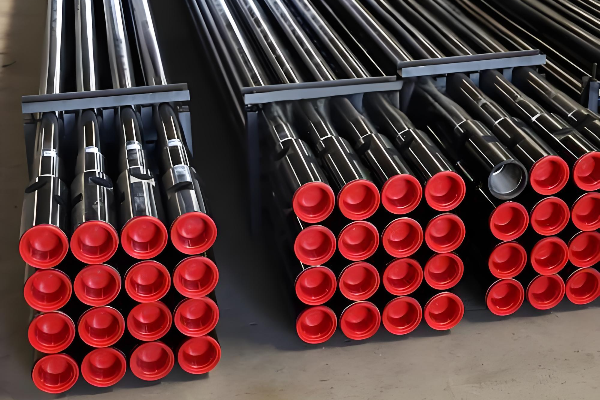
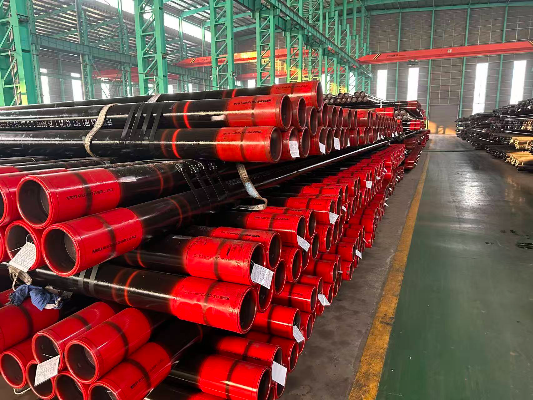
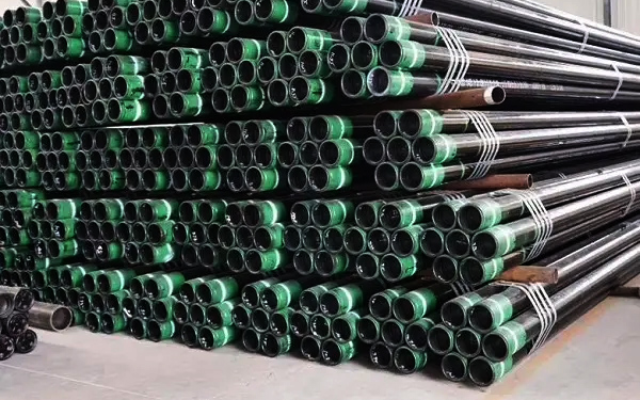
Oil country tubular goods (OCTG), or oilfield tubular goods, are the steel tubulars used by the oil and gas industry to build and produce an oil well: casing, tubing, drill pipe and the related couplings, pup joints and drill string. Every connection must adhere to API specs such as API 5CT (ISO 11960). A single mismatched grade or connection has the ability to shut down a well. Match the string, and it serves safely for decades transporting hydrocarbons.
The design basis for well integrity isn’t ‘which is strongest pipe’, but ‘what tubulation in what location’, under what pressure or load? Casing must survive wellbore collapse; tubing the produced fluid’s internal pressure and corrosion; the drill string its tensile load, torque and the abrasion of drilling fluids. Each part require a unique specification, wall-thickness and connector configuration.
| String | OCTG product | Where it sits | Primary load | Governing standard |
|---|---|---|---|---|
| Drill string | Drill pipe · HWDP · drill collar | Rotating, bit to surface | Torque + axial tension | API 5DP / API 7-1 |
| Casing string | Casing · coupling | Lines the borehole wall | External pressure (collapse) | API 5CT |
| Production string | Tubing · pup joint · coupling | Inside the cased wellbore | Internal pressure + corrosion | API 5CT |
Sourcing the whole string from one mill removes a real failure mode — couplings that don’t match the casing thread connection, or tubing whose grade was never verified, the mismatch that can strand a rig. Unlike multi-vendor procurement, Synbase ships casing, couplings and accessories under one API 5CT monogram with EN 10204 3.1 certification, so every joint traces to one accountable source. Each card below links to its full specification, grade and connection page.
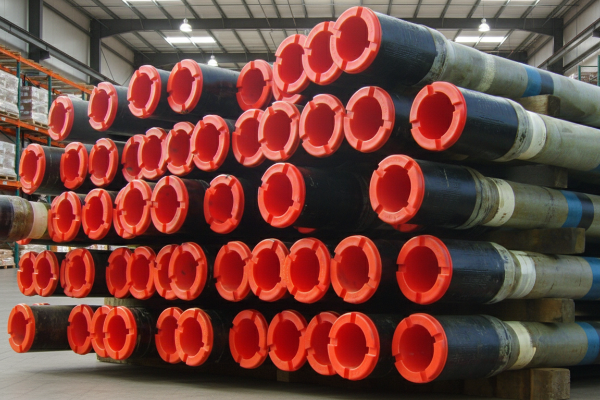
API 5CT casing pipe lines and supports the borehole against collapse and fluid migration.
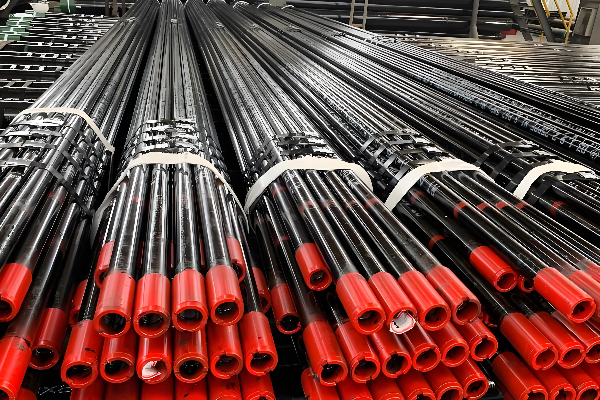
Tubing pipe carries produced oil and natural gas to surface inside the casing.
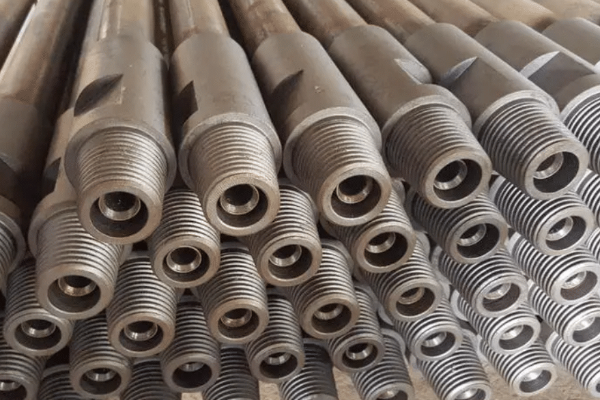
Rotates the drill bit and circulates drilling fluid under high torque.
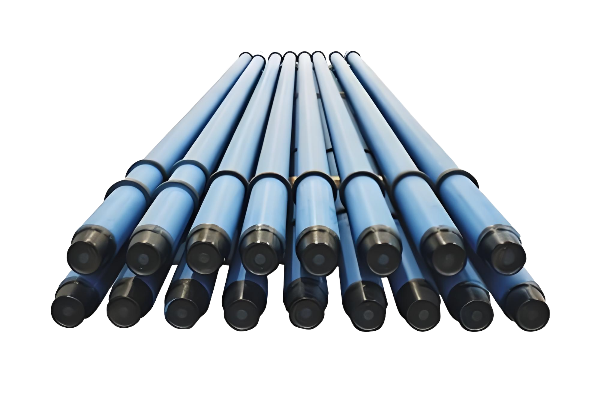
Provides weight-on-bit and stiffness at the bottom-hole assembly.
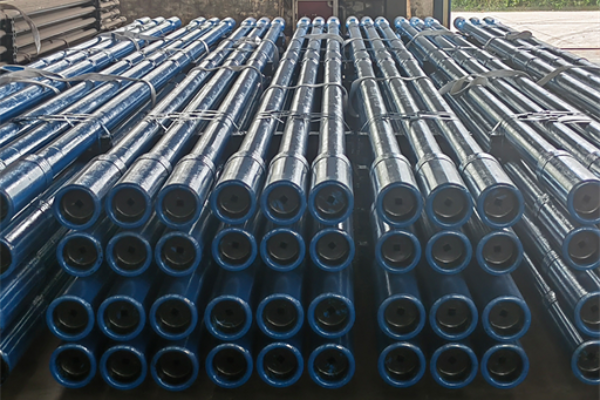
Cuts fatigue between drill collars and standard drill pipe.
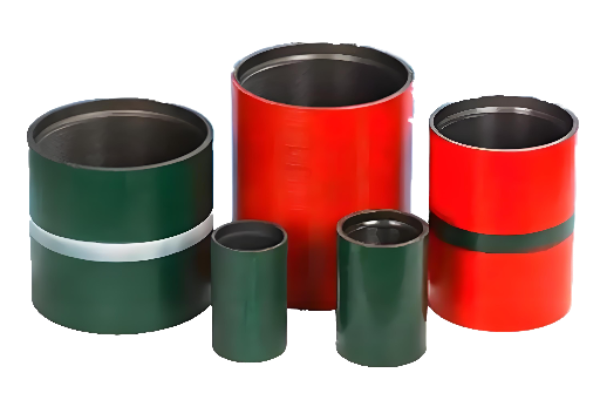
Joins two pipe joints with a matched, gauged threadform.
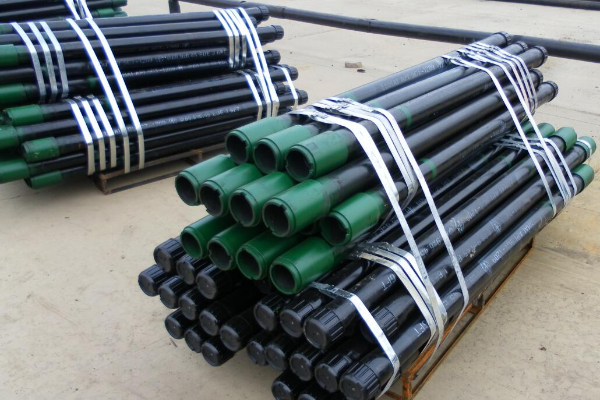
Adjusts string length and spacing during make-up.
OCTG comprises three distinct product classes, and customers waste time when a bid package specifies the wrong product class for their string through incorrect use of standard designations. The API defines products by their service in the well and designates them as either casing, tubing or drill pipe.
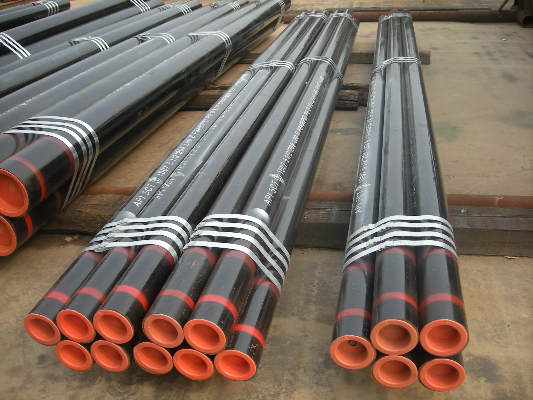
Map each OCTG product to its governing API specification and grade family before the RFQ, this routes deep selection to the right product page.
| OCTG product | Governing API spec | Grade family | Key related standard |
|---|---|---|---|
| Casing & Tubing | API 5CT (= ISO 11960) | J55, K55, N80-1/N80Q, L80, C90, T95, P110, Q125 | API 5B (threads), NACE MR0175 (sour) |
| Couplings & Pup Joints | API 5CT | Matched to pipe grade | API 5B threadform gauging |
| Drill Pipe / HWDP | API 5DP | E75, X95, G105, S135 | API 7-1 (tool joints) |
| Drill Collar | API Spec 7-1 | AISI 4145H mod | NS-1 / DS-1 inspection |
While thread-and-coupled API connectors (STC, LTC, BTC) prove sufficient for most applications, horizontal, HPHT, sour and natural gas wells require the seal integrity of premium metal-to-metal connections qualified to ISO 13679. Selecting the right connection application is detailed in each product card.
While many manufacturers confuse their specifications by referencing the “best of the 3 standards,” every string, grade and connection offered by Synbase, adheres to the strict guide lines of its exact API and PSL specification standard and where the specification is met via a proprietary technology we provide the citation for those USPTO granted patents that support this specific product’s premium connection performance, for those applications requiring a premium connection for natural gas, H2S and high-pressure/high-temperature horizontal drilling.
Want the spec-to-product mapping for your well program?
Request an OCTG Quote →The API 5CT grades increase with minimum yield strength, but the stronger grade doesn’t necessarily mean it’s the stronger choice for the well, as it must simply meet minimum required yield strength at the deepest depth for the given well and exposure. The category reference chart is herein for general reference; detailed individual grade and conditions is provided on our Casing and tubing selection.
| Grade | Min yield | Typical service | Sour (NACE MR0175) |
|---|---|---|---|
| J55 / K55 | 55 ksi / 379 MPa | Shallow, sweet, surface/conductor casing | No |
| N80-1 / N80Q | 80 ksi / 552 MPa | Medium-depth, moderate stress | N80Q limited |
| L80 (incl. 13Cr) | 80 ksi / 552 MPa | Sour wells; CO2 with 13Cr | Yes |
| C90 / T95 | 90–95 ksi | Deeper sour / higher-stress sour | Yes |
| P110 | 110 ksi / 758 MPa | Deep, high-pressure, non-sour | No |
| Q125 | 125 ksi / 862 MPa | Ultra-deep, extreme stress | No |
Field reality: the two most expensive OCTG mistakes come from assumptions, not from price. In reality a higher grade is not always safer, and contrary to common assumption welded is not always weaker — “higher grade is safer” fails in sour wells, and “welded is second-grade” is a myth.
We don’t necessarily go up to a high strength grade for it to be an sour service upgrade. Some people pick P110 because it’s stronger, and they’ll put the borderline H2S up with chemical to inhibit it. But you can’t do that per NACE MR0175 / ISO 15156, plus high hardness grades crack out under sulfided conditions very early. Whenever there’s some risk of H2S breakthrough on a well, I must have an sour service string (L80, C90, T95) put in right away.
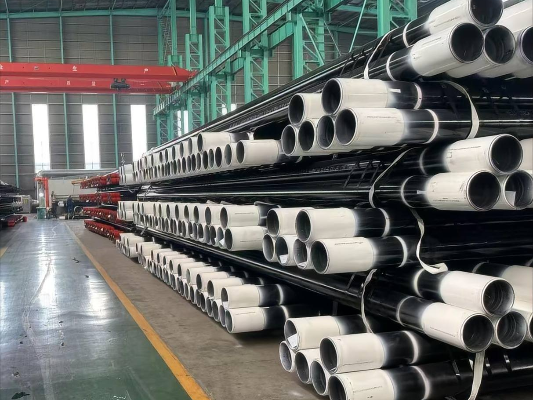
| Factor | Seamless OCTG | Welded (ERW) OCTG |
|---|---|---|
| Cost per metre | Baseline +15–30% | Baseline |
| Critical sour / HP-HT / deep | Preferred | Case-by-case per spec |
| Weld seam | None | Normalized, full-body UT |
| API 5CT compliance | Yes | Yes (non-sour + some sour) |
Connection choice compounds the grade decision: BTC isn’t gas-tight and can’t be used on gas strings regardless of depth, so gas, HPHT and sour strings move to premium metal-to-metal seals, which add 30–100% to coupling cost but close the leak path that takes a well offline.
Cost of getting OCTG wrong: one tubing failure forced a plug-back and re-case — adding 45 days and over $1.2 million to a single well.
Industry case data — TCO illustration, not a Synbase-specific figure. Source: OCTG buyer field reports
Want a grade and connection cross-check for your well conditions?
Talk to an OCTG Engineer (24/7) →The least expensive failed precaution is the failed precaution caught before it shipped. Suppliers that assert certification but provide no proof on inspection should be avoided (a classic procurement landmine), so the certification accompanies every Synbase OCTG order.
EMI (electromagnetic inspection) ultrasonics full-body eddy-current for seamless API 5CT hydrostatic test drift test third party witness (SGS / BV) on request PSL-2/3 extra NDT for demanding service.
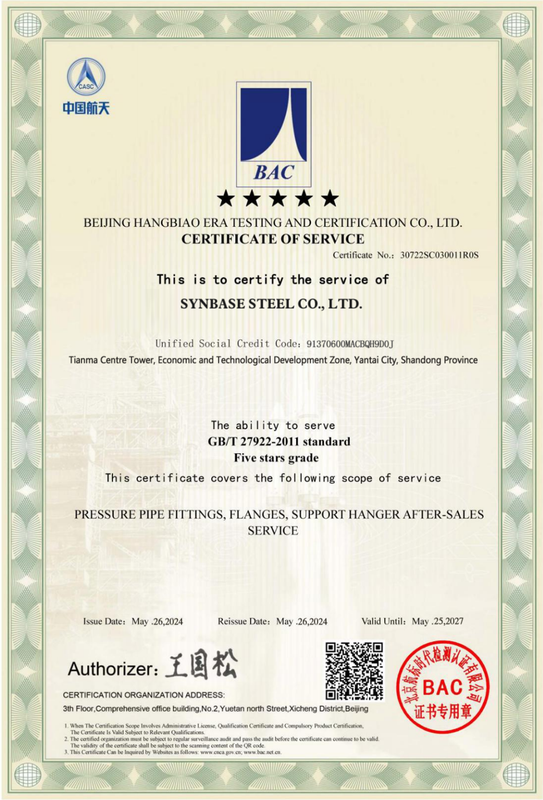
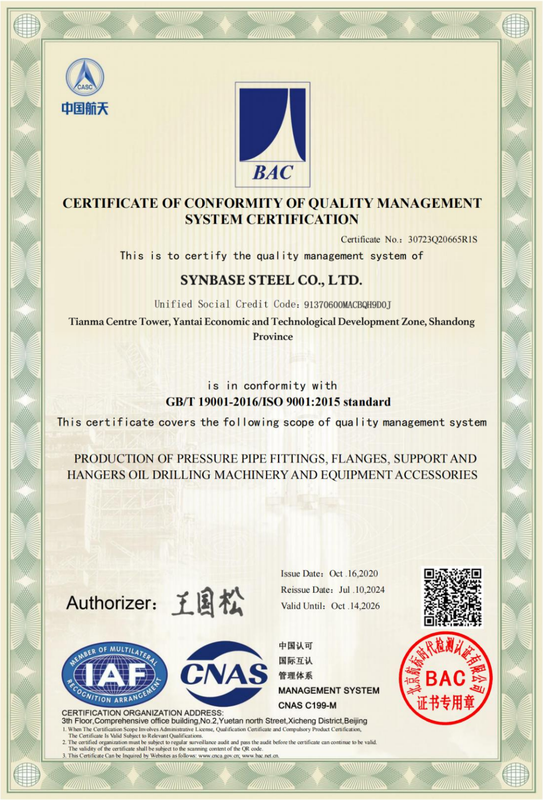
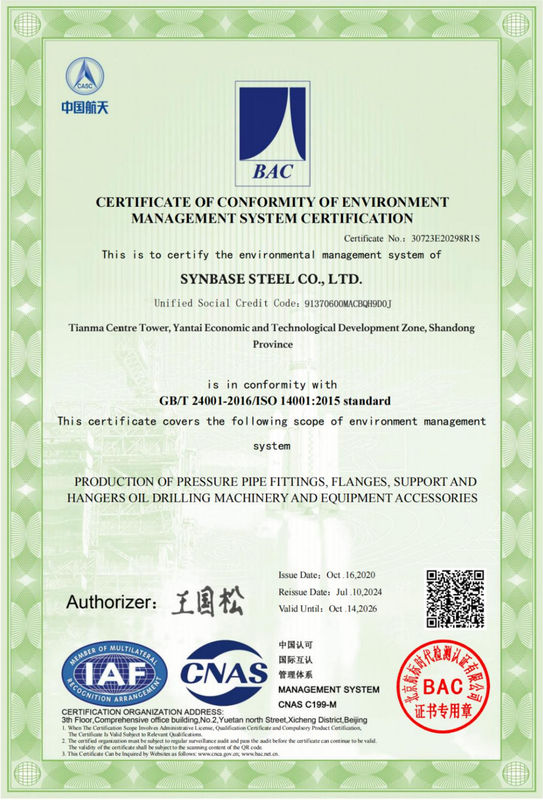
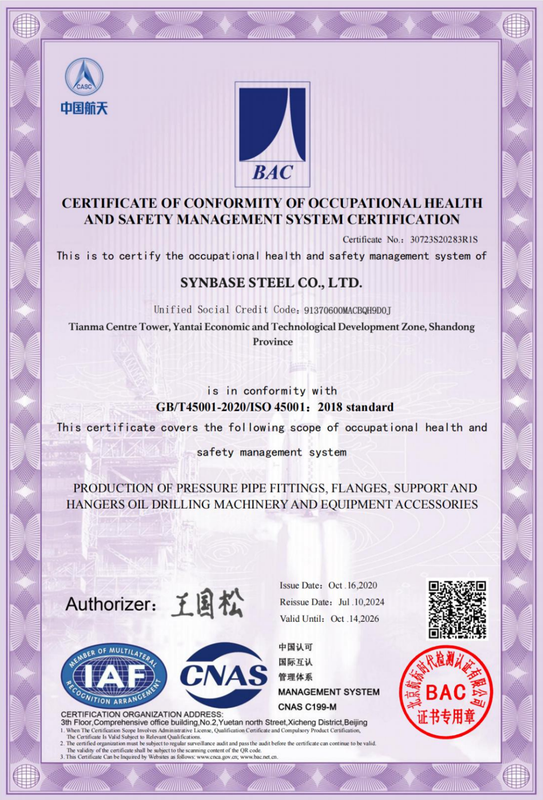
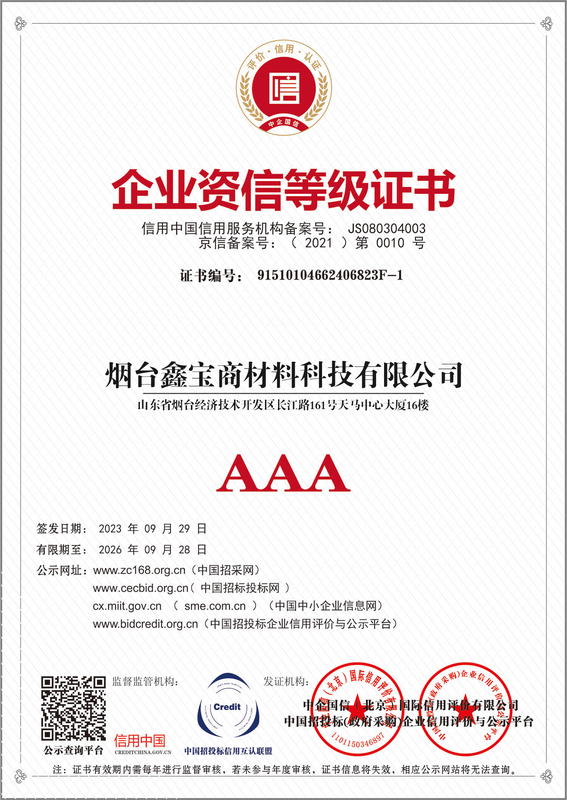
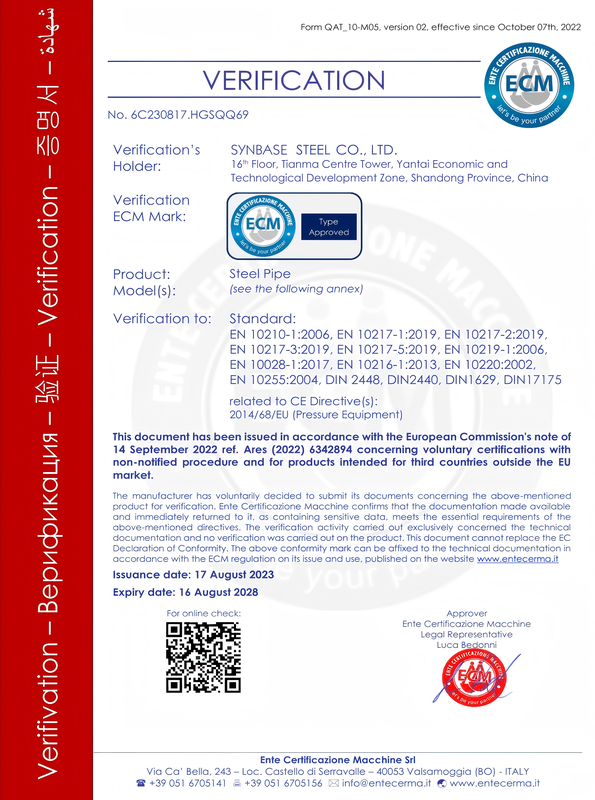
OCTG is the biggest single materials investment in a well budget, and the most expensive delays emanate from incomplete RFQs coming back for a missing data point or spec detail. Because casing is a primary well-integrity barrier under regulator (BSEE) scrutiny, the answer is sending out the correct spec from day one. We use the checklist below to transform a vague enquiry into a firm quote, capable of being benchmarked against others.
OCTG Quote Checklist. By product:
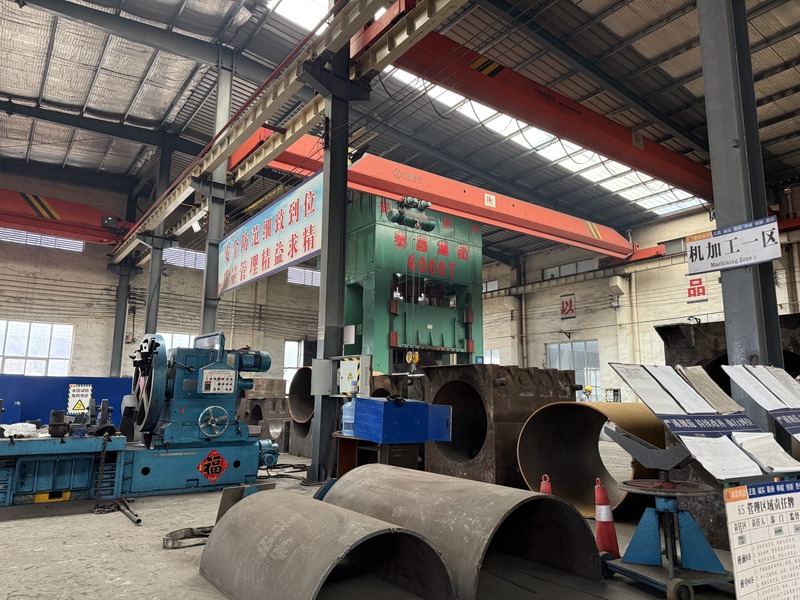
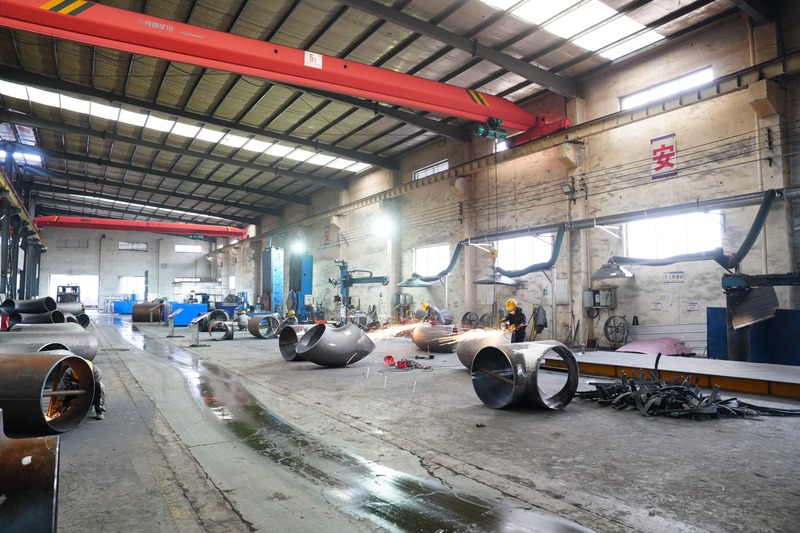
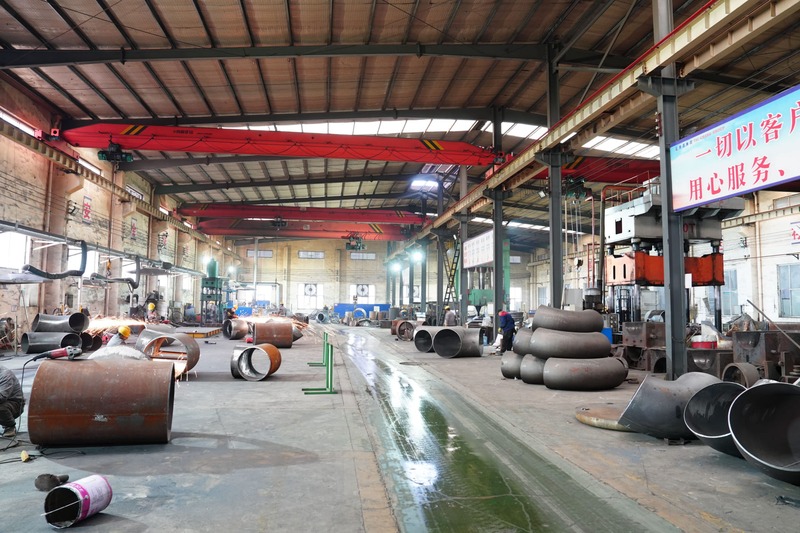
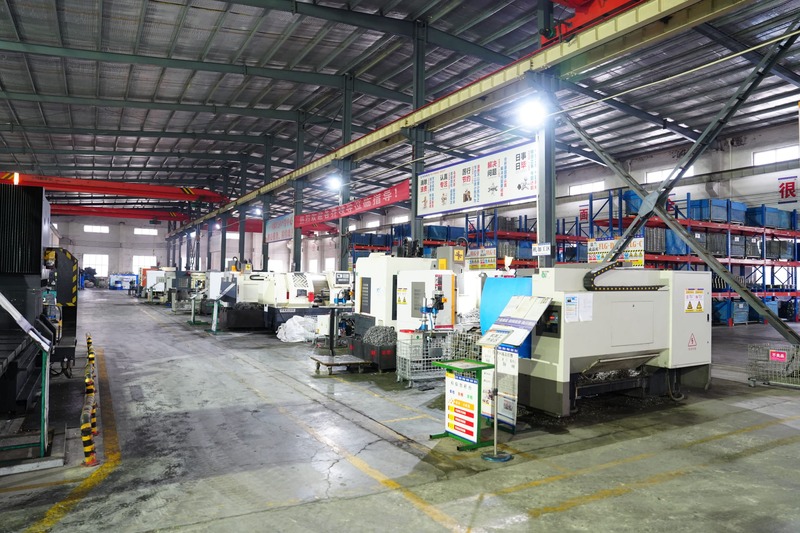
Falling for the cheapest international provider is where oil and gas exploration projects are wounded: wrong specifications OCTG arrives, certificates don’t pass an audit, and lead times will blow your drilling schedule. As an integrated OCTG manufacturer and supplier Synbase solves the perceived risk with auditable certification to ISO 9001 and large-scale production capability, not promises.
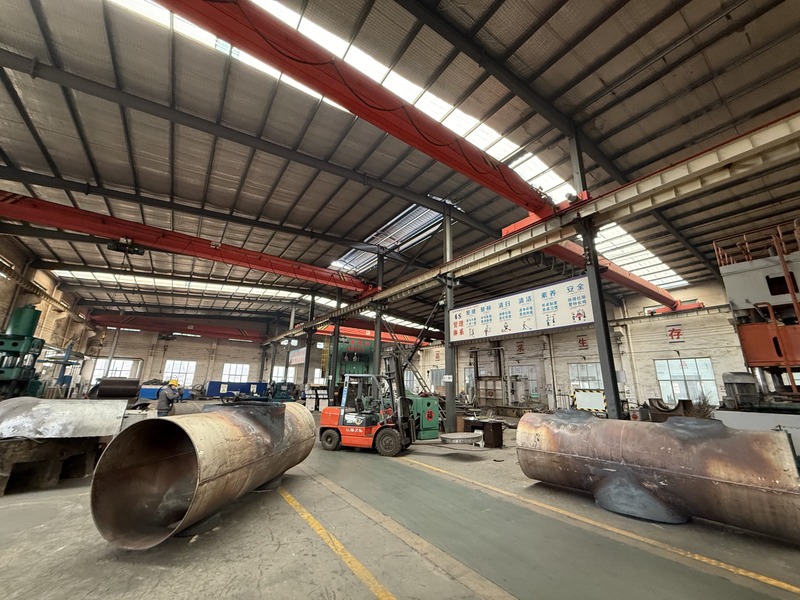
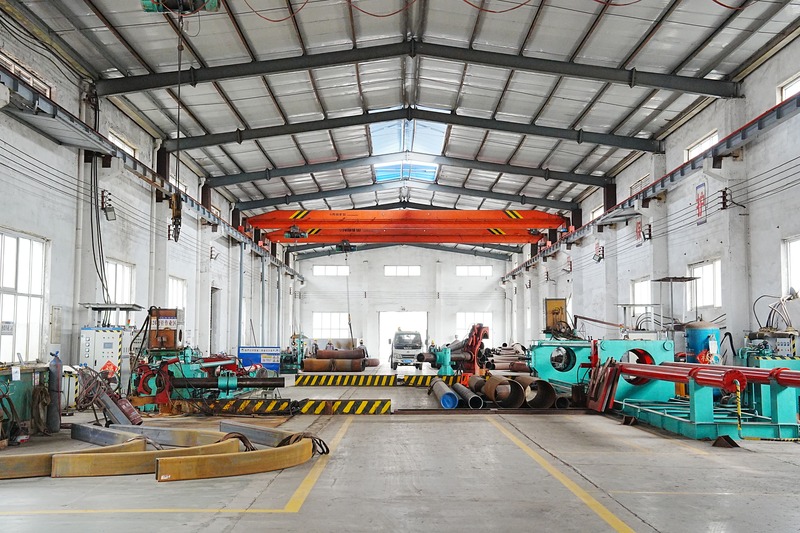
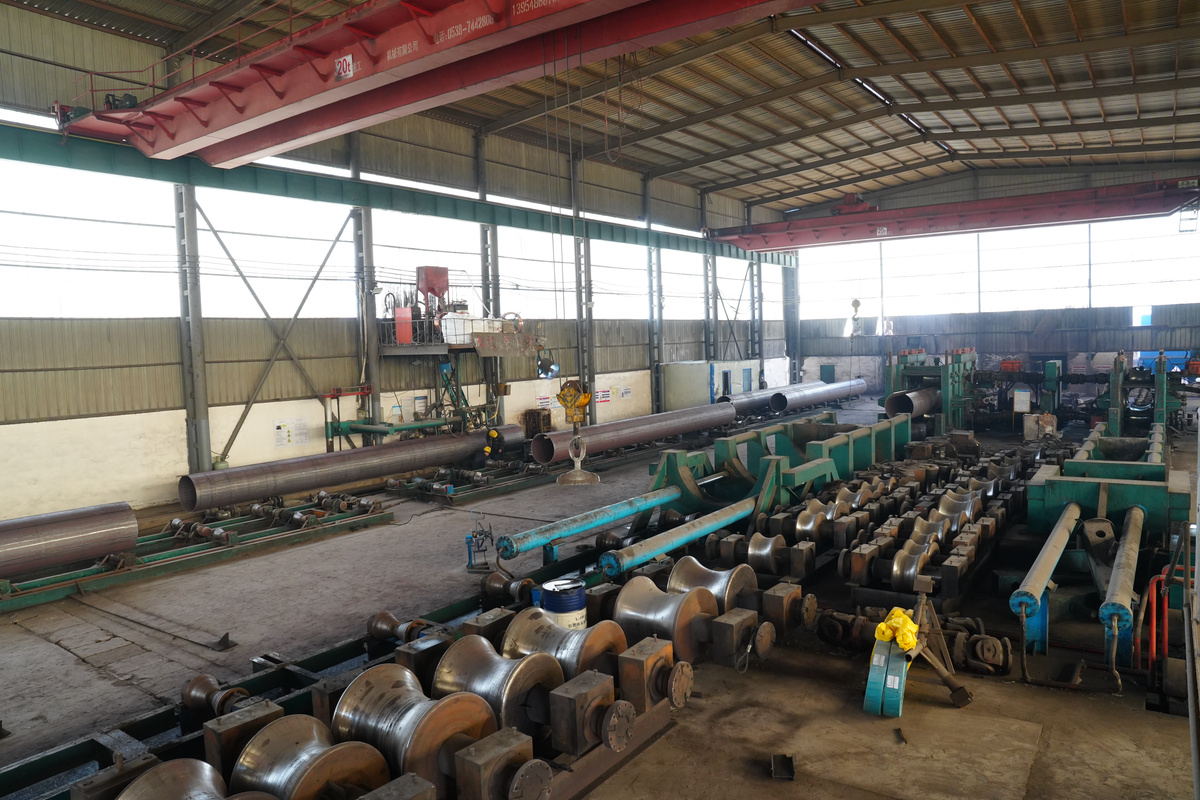
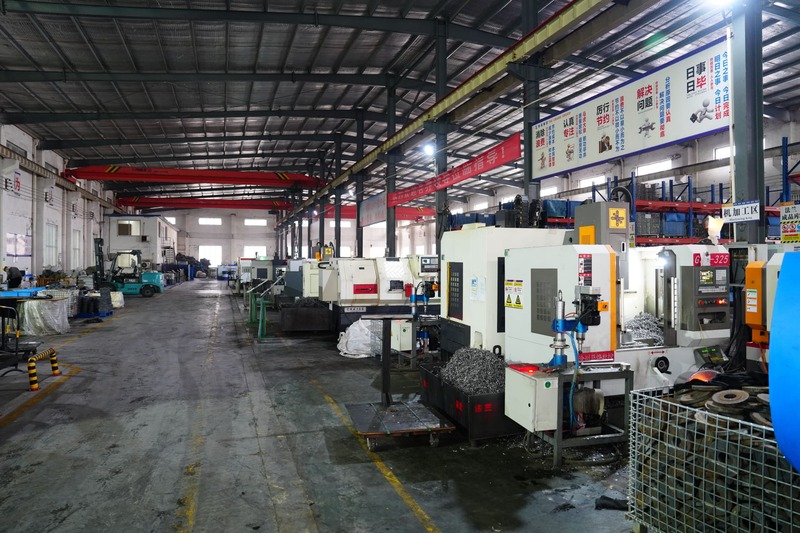
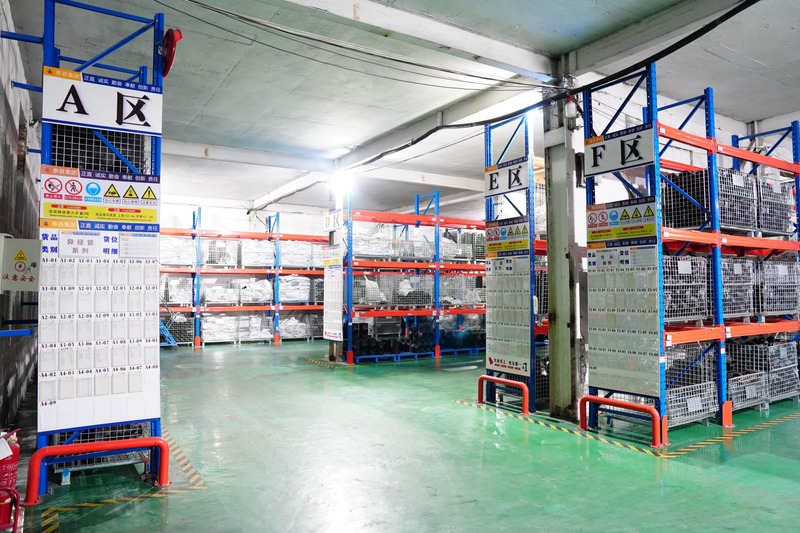
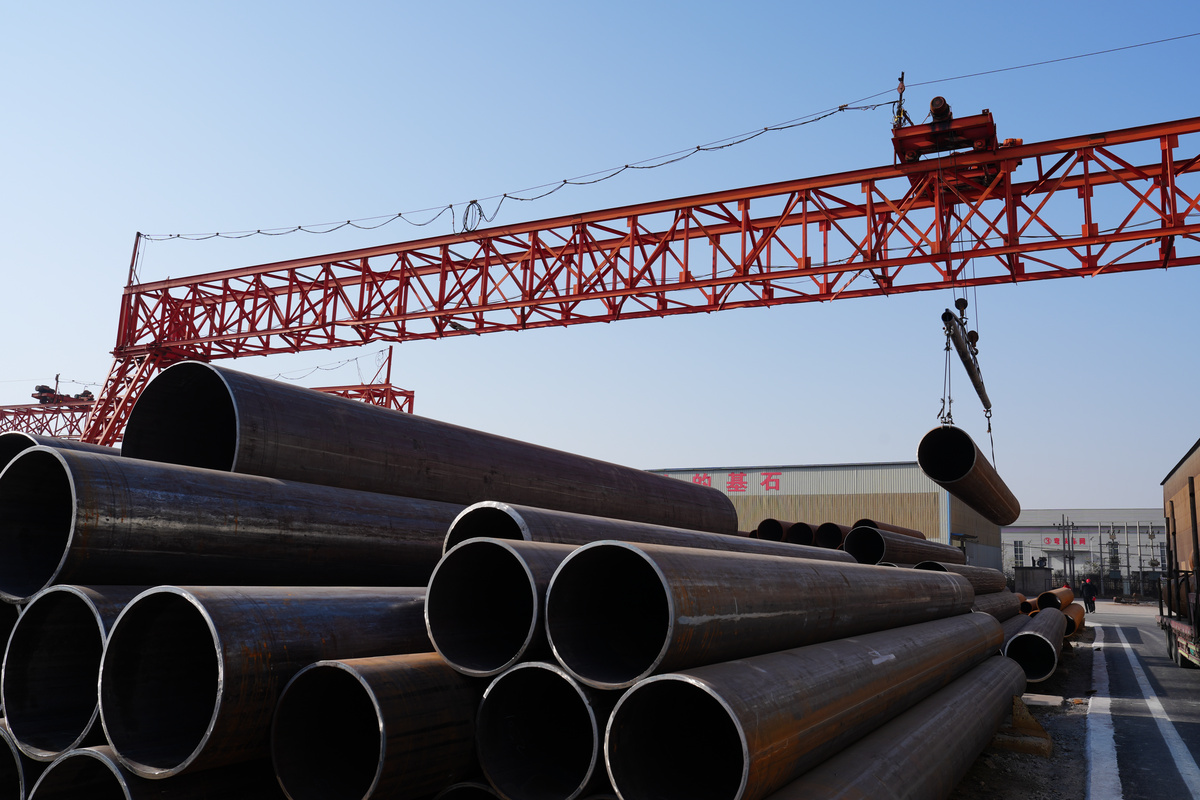
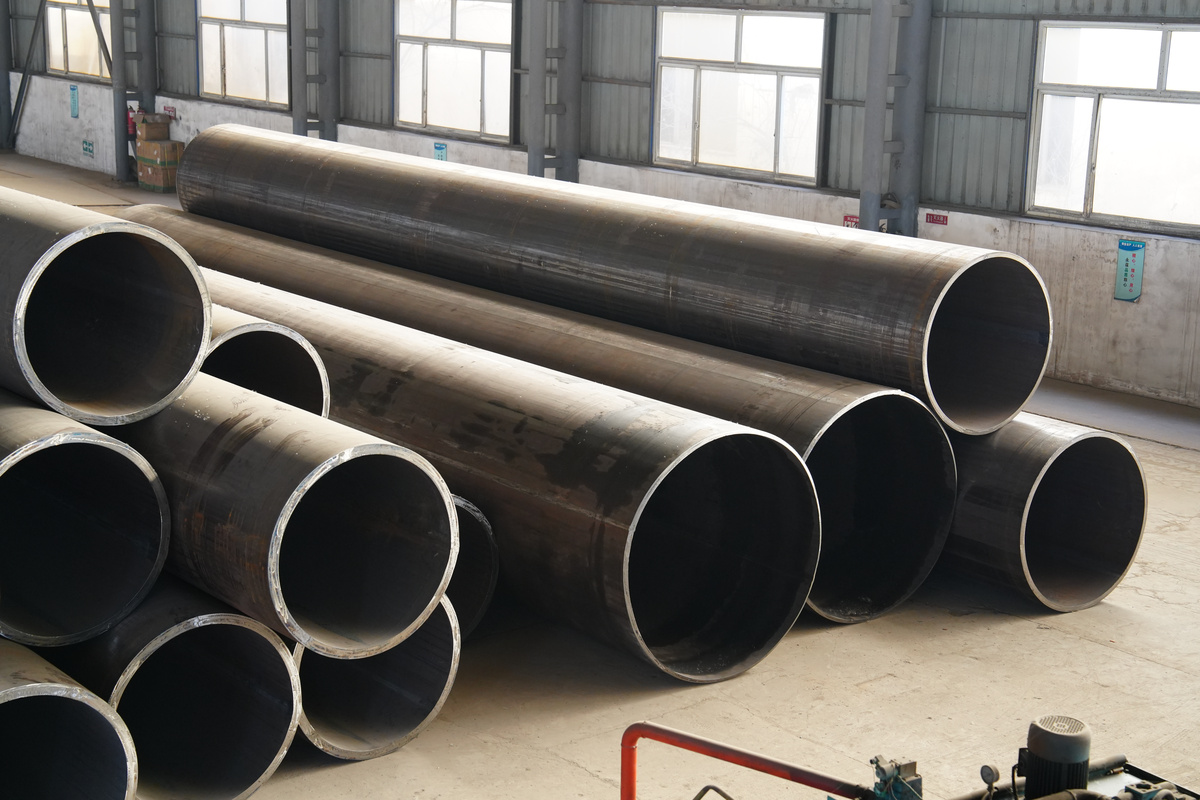
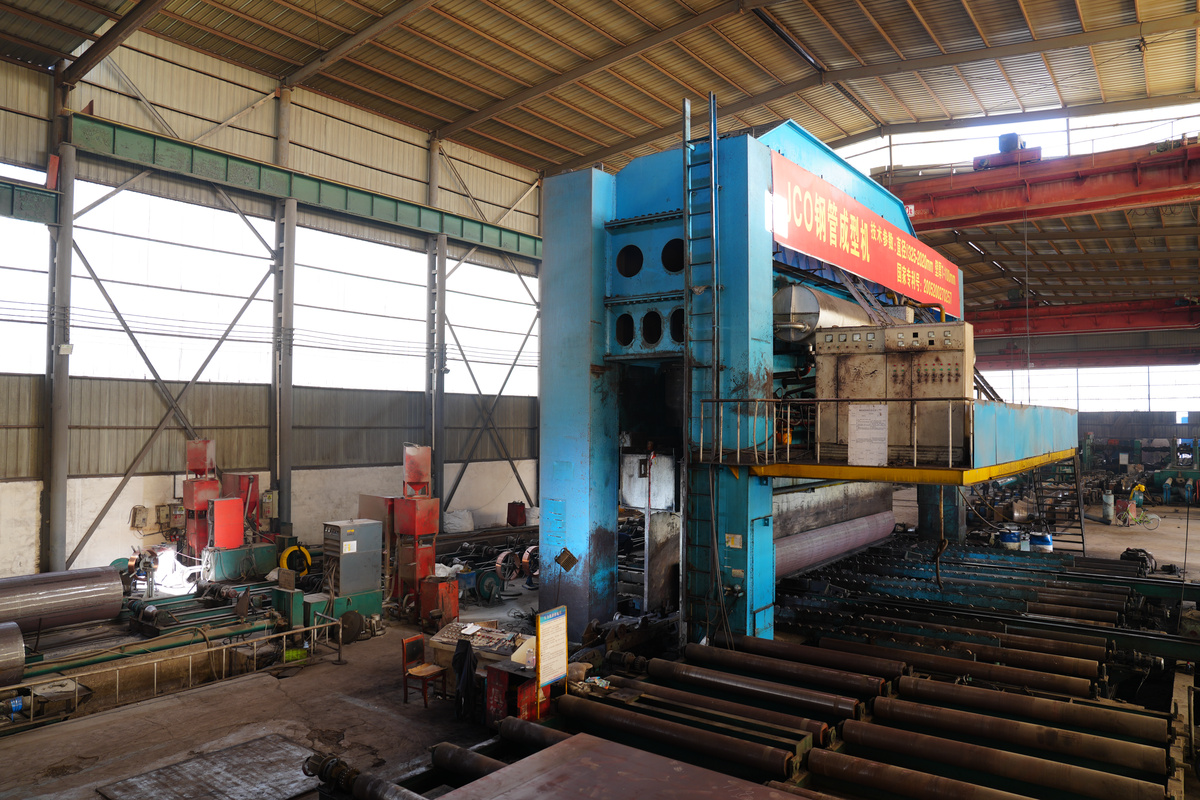
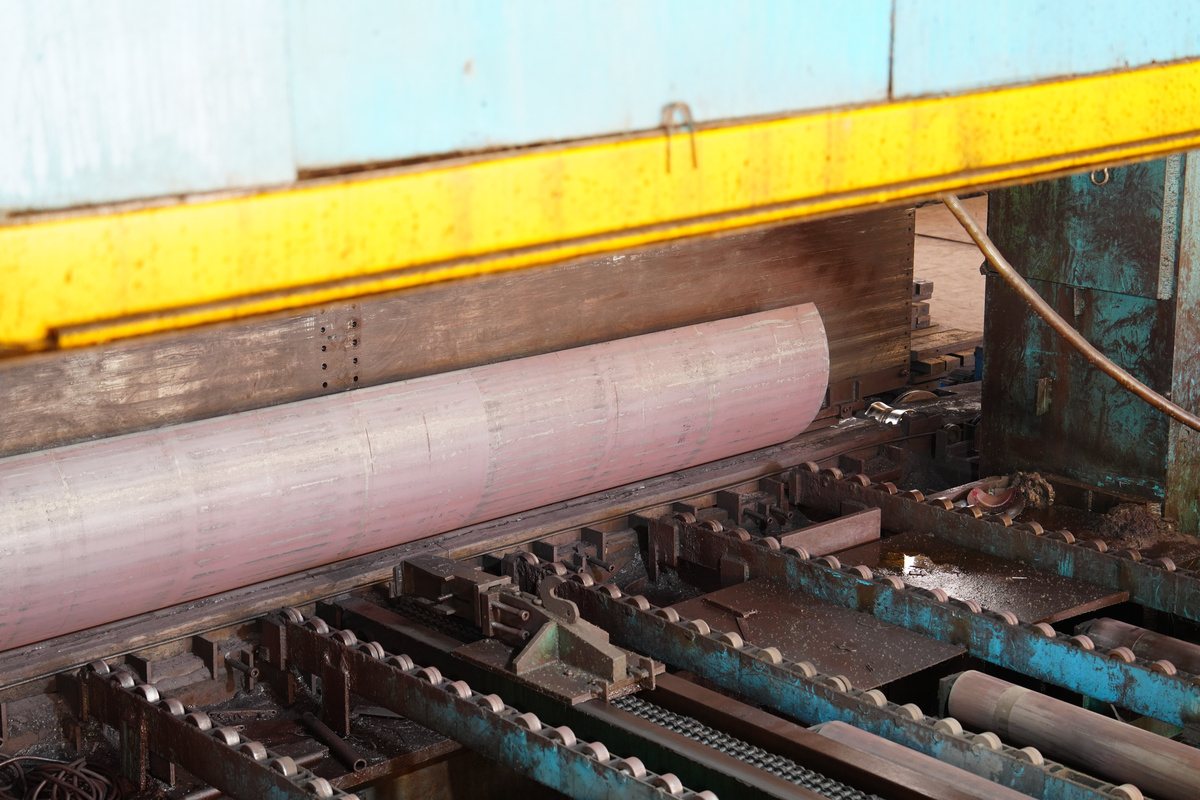
Synbase Steel provides the core of pipeline equipment for the E-CHENG STEEL GROUP, supported by wholly-owned production facilities for Seamless and Welded Steel pipe, fittings, flanges and valves, together with expansive warehousing and logistics capacity. The benefit: the OCTG string, couplings and associated tubular components are drawn from one consolidated, fully accountable supply chain.
For more specialized grades and High Value alloys, E-CHENG STEEL GROUP long-term relationships and strategic partnerships with global manufacturers like Baosteel, Tianjin Pipe (TPCO), Ansteel and TISCO mean wider availability without diluting responsibility. A member of the China Iron and Steel Association, the Group is the holder of more than 800 patents of national importance.
Precision tools for calculating weight, routing API specifications, and selecting the optimal tubular products for your well program.
Filter and match the exact API 5CT casing and tubing grades required for your specific well depth, collapse pressure, and sour-service environments.
Launch Tool ↗Instantly calculate the nominal weight and displacement for plain-end or threaded casing and tubing strings based on exact OD and wall thickness inputs.
Launch Tool ↗Map your tubular requirements directly to the governing API specifications (5CT, 5DP, 7-1) and pinpoint applicable premium connection standards.
Launch Tool ↗