Send Your RFQ to Synbase Steel
Prefer to send drawings, BOMs or attachment lists by email? sales@synbasesteel.com

Carbon steel that passes hydrotest at ambient can still shatter at −40 °C. Synbase manufactures impact-tested ASTM A333 seamless pipe, certifies the Charpy result against your design minimum temperature, and ships every length with a heat-traceable EN 10204 3.1 mill certificate.
ASTM A333 pipe is the low-temperature carbon steel pipe (LTCS) written for service where ordinary carbon steel turns brittle – cryogenic, sub-zero, and cold-climate lines that demand verified notch toughness. Synbase manufactures it to ASTM A333/A333M and ASME SA-333 across all nine grades, each heat impact-tested and traceable from the steel melt to the certificate.
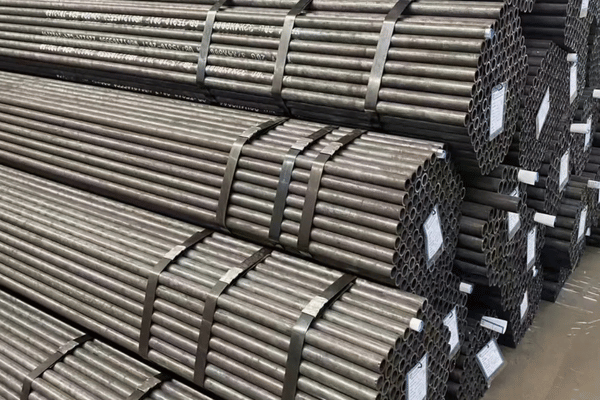
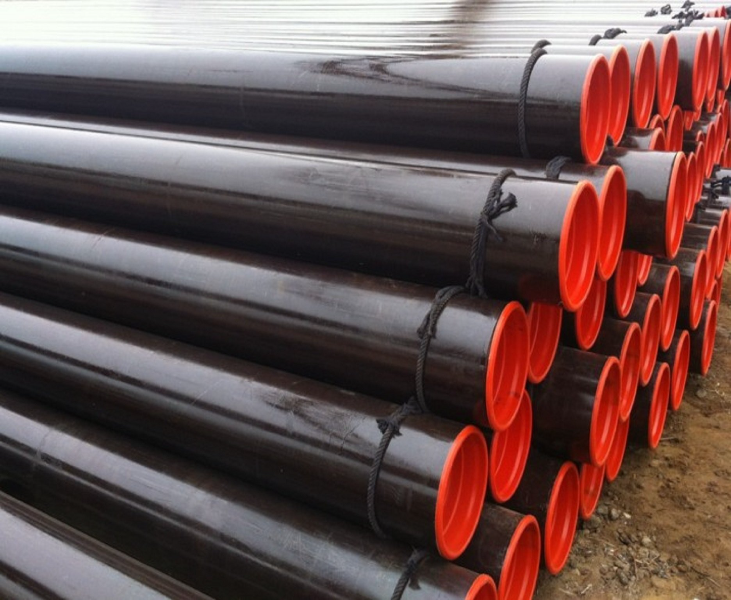
Below a certain temperature, carbon steel stops bending and starts breaking. The ductile-to-brittle transition means a pipe that was tough at ambient can fail without warning at cold start-up, during a hydrostatic test, or in a winter upset – not because it’s too weak, but because its impact toughness has collapsed.
The risk most buyers underestimate: recent industry testing found that up to 30% of new-fabrication carbon steel components show reduced toughness, creating brittle-fracture susceptibility even in material that meets ASME code on paper. A code stamp isn’t a toughness guarantee – a tested Charpy value is.
The weld zone make it worse. Residual stress and an uneven microstructure turn the seam into the highest-risk site for cold cracking, one LNG project recorded crack propagation in a carbon steel weld at −35 °C running roughly four times faster than at room temperature. This is the structural reason cold-service lines are specified to A333 rather than to a general carbon grade.
A333 solves it at the metallurgy: controlled chemistry, normalizing heat treatment, and a mandatory Charpy V-notch impact test that certifies each heat will absorb energy – not shatter – at your design minimum temperature. That’s the whole point of the specification, and it’s what Synbase tests and documents on every order.
Choosing an A333 grade is really choosing a certified minimum temperature, not a brand. A333 includes several grades of ferritic steel, and the grade you cite tells the mill how cold the steel must stay tough – that depends on the nickel content, because nickel is what holds toughness down into the cryogenic range. The table below is how our application desk routes an RFQ: by design minimum temperature first, then to the grade that certifies it.
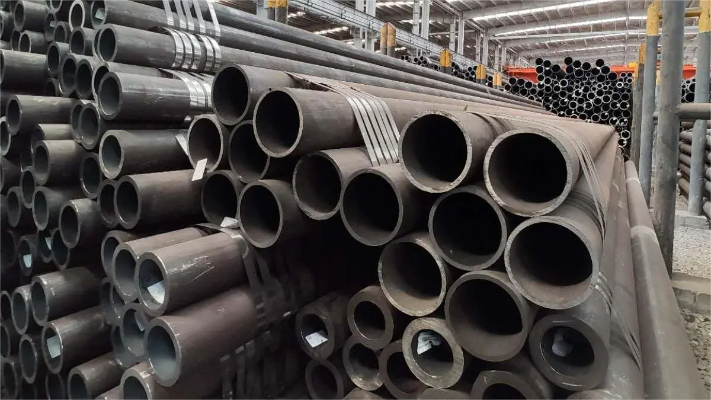
| Grade | Alloy basis | Min impact temp | Min yield / tensile | Typical cold service |
|---|---|---|---|---|
| Grade 6 | C-Mn-Si (no Ni) | −45 °C / −50 °F | 240 / 415 MPa | LNG, cold ethylene, sub-zero process — the default |
| Grade 1 | C-Mn (no Ni) | −45 °C / −50 °F | 205 / 380 MPa | General low-temperature, lower strength |
| Grade 10 | C-Mn-V (higher strength) | −45 °C / −50 °F | 450 / 550 MPa | Higher-pressure sub-zero lines |
| Grade 7 | 2.5% Ni | −73 °C / −100 °F | 240 / 450 MPa | Colder petrochemical / storage |
| Grade 9 | 2% Ni-Cu | −73 °C / −100 °F | 315 / 435 MPa | Cold service, weldable Ni grade |
| Grade 3 | 3.5% Ni | −101 °C / −150 °F | 240 / 450 MPa | Ethylene, refrigeration, deep cold |
| Grade 11 | 3.5% Ni | −100 °C / −150 °F | 240 / 450 MPa | Deep-cold, alternative melt practice |
| Grade 8 | 9% Ni | −196 °C / −320 °F | 515 / 690 MPa | LNG cryogenic, liquid nitrogen/oxygen |
If there was a simple rule the job would be done: ASTM A106B carbon steel pipe is the accepted norm for use down to −29 °C (−20 °F) with no need to impact test per ASME B31.3. Below −29 °C the pipe must be impact tested, which is precisely why A106 stops at that boundary and ASTM A333 begins. The two steel pipe grades are extremely similar in chemistry and strength; the difference lies in what is required to prove it is fit for purpose at your given cold.
Room-temperature strength for both grades is nearly identical, so relying on the spec sheet alone can lead you down the wrong path. What decides the buy is the design minimum temperature: between −29 °C and −45 °C an A106B line would require an impact test anyway, so the safer and simpler choice is A333, which already carries the required impact-test certification for cold service. For service above that −29 °C boundary, our carbon steel seamless pipe in A106/A53 is the right call.
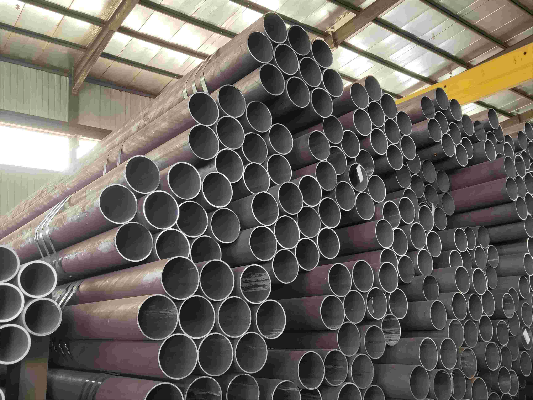
For your line, where integrity at your operating cold conditions is key, you’ll need the pipe and fittings in matching low-temperature grades, such as ASTM A333 for pipe, A420 WPL6 for butt-weld fittings and A350 for flanges, to ensure you have a family of components qualified to the same temperature and mechanical property limits.
Comparing standards for a specific design temperature?
Request a free grade-to-service recommendation →Below are the relevant A333 Grade 6 acceptance values and Synbase’s internal quality controls used to qualify and test our pipes in production, proving chemical make up, mechanical values and dimensions meet the stringent criteria you expect.
Every order for Synbase A333 pipe, manufactured and tested to meet your requirements is shipped as one package: a full specification document plus the corresponding EN 10204 3.1 mill test certificate for the specific heat.
| Element | C | Mn | P | S | Si |
|---|---|---|---|---|---|
| Limit (%) | 0.30 max | 0.29–1.06 | 0.025 max | 0.025 max | 0.10 min |
A 0.30% maximum carbon content keeps the steel readily weldable, and silicon content guarantees the deoxidized structure that prevents it from becoming brittle at sub zero temperatures, as does the lower concentration of both phosphorus and sulfur which minimise inclusions that serve as initiation points for brittle fractures.
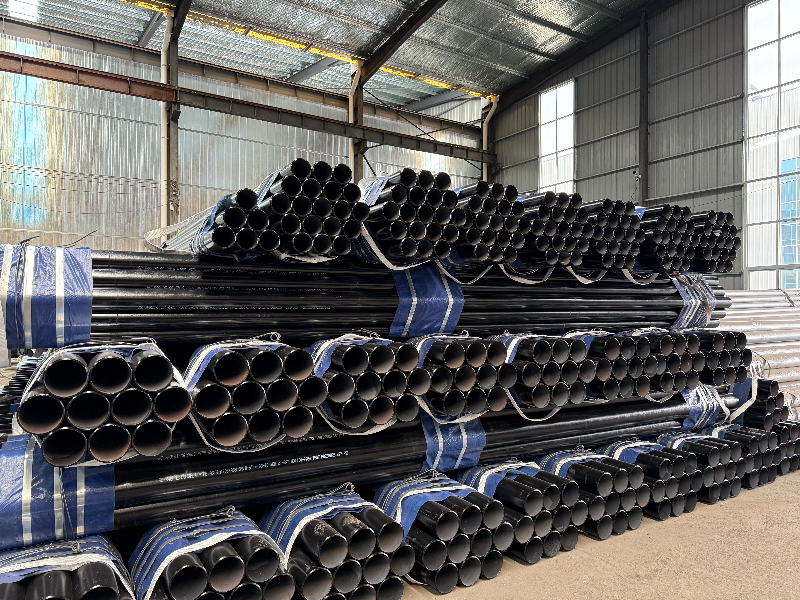
| Property | Requirement |
|---|---|
| Tensile strength, min | 415 MPa (60,000 psi) |
| Yield strength, min | 240 MPa (35,000 psi) |
| Elongation in 50 mm, min | 16.5% |
| Charpy V-notch (full-size 10×10 mm) | 18 J / 13 ft·lbf min avg |
| Impact test temperature | −45 °C (−50 °F) |
| Heat treatment | Normalized ≥815 °C (1500 °F), air-cooled |
Charpy minimums increase with specimen size: sub-size 10×2.5 mm coupons taken from thin-walled pipe accept proportionally lower energy than full-size 10×10 mm specimens, which is why the test is read against the actual wall thickness rather than a single headline number. Grades 8 and 11 follow a different heat-treatment route, the 9% nickel of Grade 8 is quenched and tempered, to reach their deeper cold ratings.
| Parameter | Range |
|---|---|
| NPS (outside diameter) | 1/2″ to 24″ standard; to 36″ on request |
| Wall schedule | SCH 10, 20, STD, 40, 80, XS, 160, XXS |
| Dimensional standard | ASME B36.10M |
| Length | Random or fixed, to 12 m |
| Manufacture | Seamless (no weld seam); welded on request |
A333 is supplied as nominal (average) wall pipe, and a higher schedule number means a thicker wall for a given outside diameter. Wall thickness follows the ASME B36.10M dimensional standard, identical across every A333 grade. Some heavy-wall sizes are restricted, because a thicker section can reduce low-temperature impact values, another reason the Charpy result is read against the finished nominal wall.
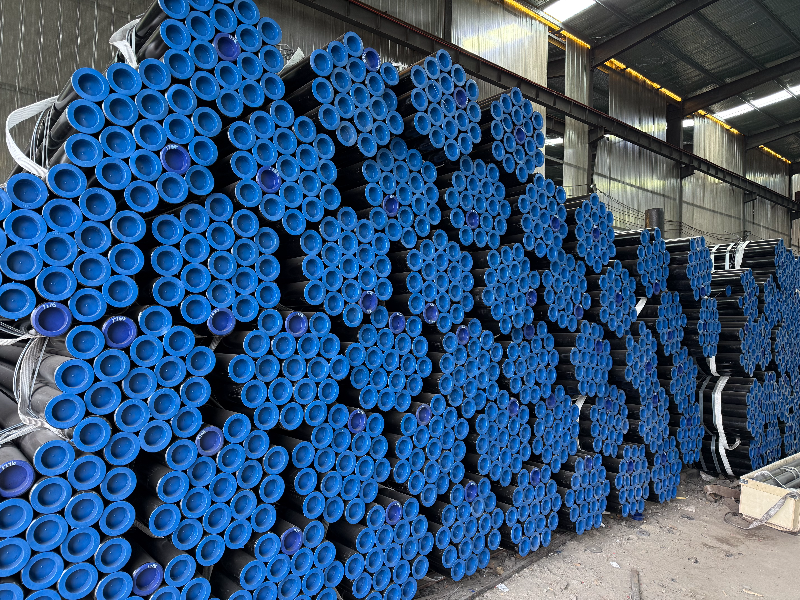
Buyers are right to be cautious with a new A333 supplier: on a cold-service line, an unverified heat is a future brittle fracture, not a discount. A documented Charpy test tied to a traceable certificate is what gives that assurance, exactly what a distributor reselling a stocked heat can’t provide.
This matters more than it used to. With up to 30% of new-fabrication carbon steel showing reduced toughness in recent testing, the one thing that separates a tough heat from a brittle one is the test result on the certificate, and the chain that proves the document describes the pipe in your hand. A supplier that can’t issue a 3.1 certificate for a specific heat may not control the mill that melted it.
Every heat is impact-tested by Charpy V-notch per ASTM E23 and A370, at a temperature pertinent to your grade (−45 °C for Grade 6, colder for the nickel grades).
Synbase issues an EN 10204 3.1 certificate stating the heat number, chemistry, and actual impact and tensile results for that lot, endorsed by a test department independent of production.
The heat number stamped on the pipe matches the certificate, so goods-inwards inspection closes the loop in a single check.
A333 pipe is the backbone material wherever a process run cold, because the steel has to stay tough below ambient temperature. The grade follows the temperature, and Synbase supplies into projects across more than 100 countries through E-CHENG STEEL GROUP, so the applications below reflect where this product actually lands.
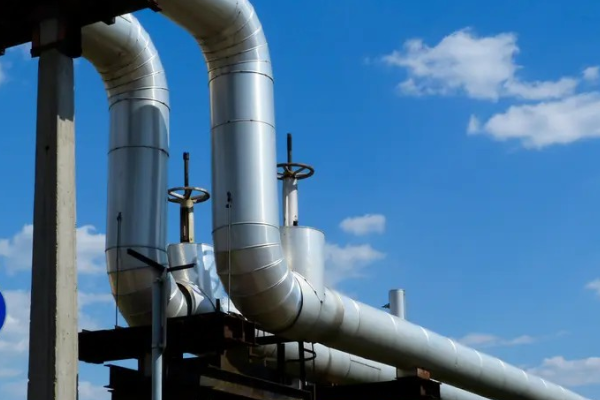
LNG — processing, storage, and transfer lines, with Grade 8 (9% Ni) on the coldest cryogenic duty near −162 °C.
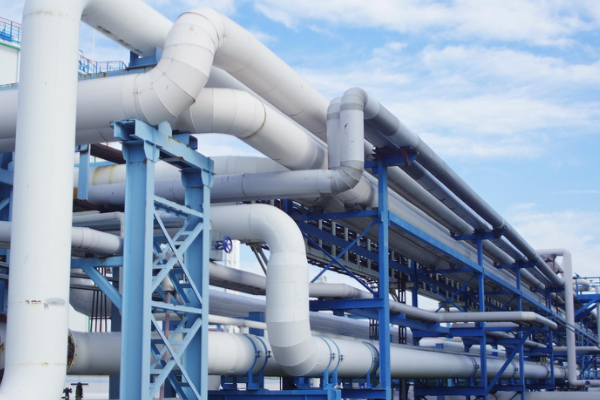
Air separation — liquid oxygen, nitrogen, and argon service where toughness must hold to deep cryogenic temperatures.
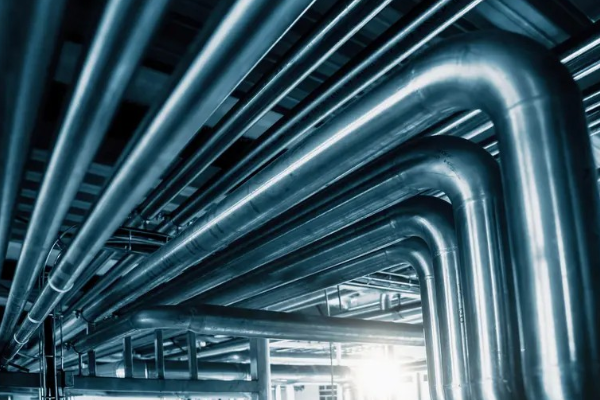
Petrochemical — ethylene, propylene, and ammonia lines running well below ambient.
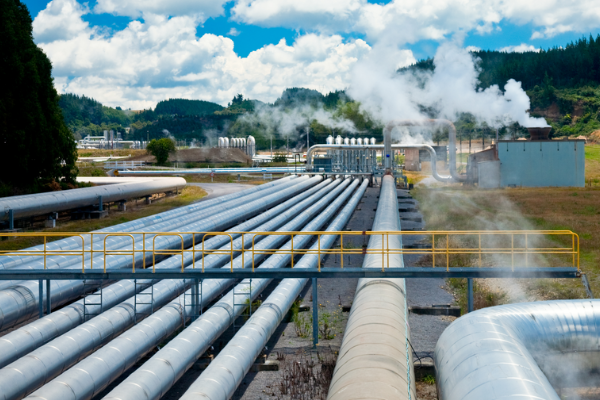
Cold-climate oil & gas — Arctic and high-altitude gathering and transmission where winter design temperatures drop past the carbon-steel limit.
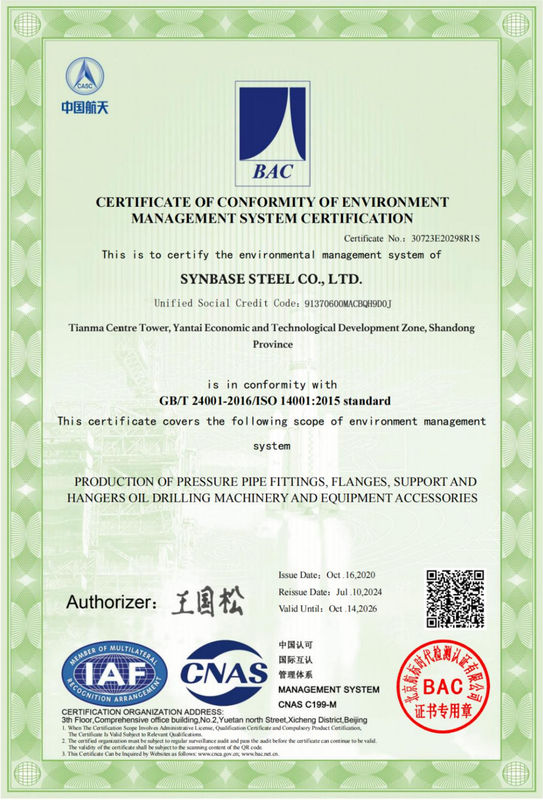
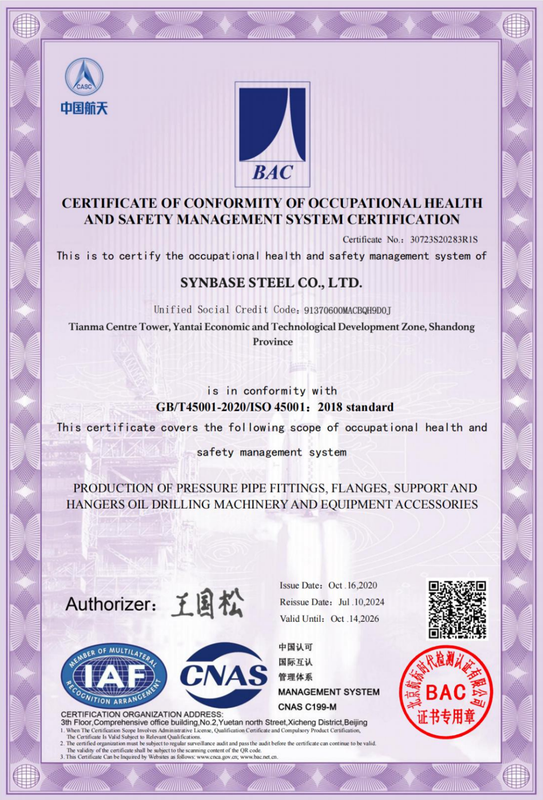
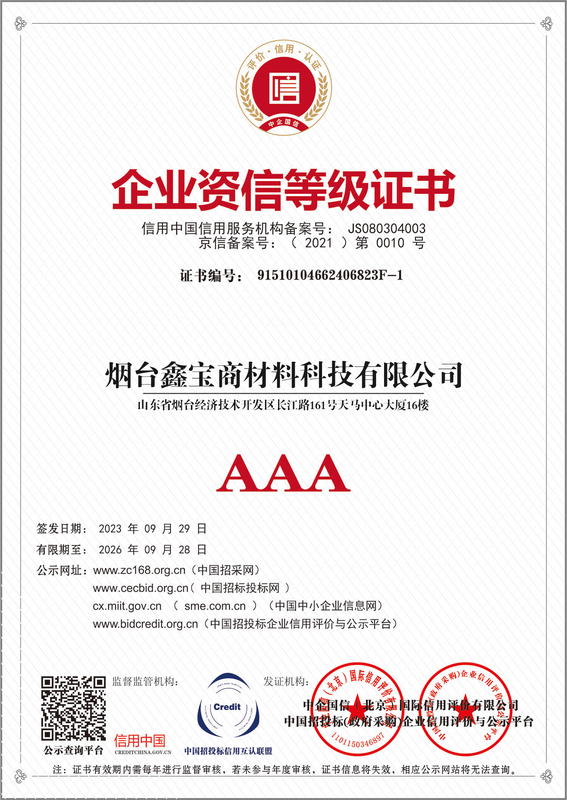
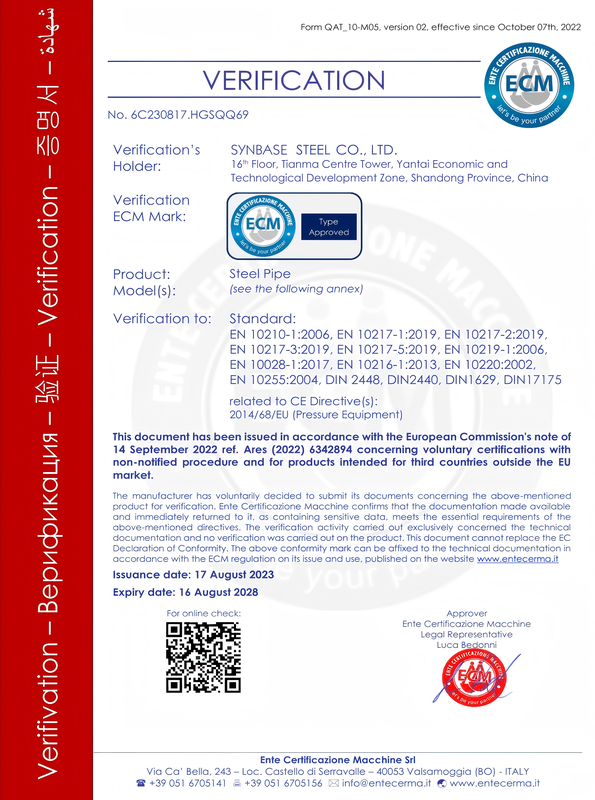
A333 for critical cold service is bought on documented compliance, not a logo. Synbase manufactures under audited ISO 9001 management systems and supplies the standard and third-party documentation an EPC supplier audit asks for.
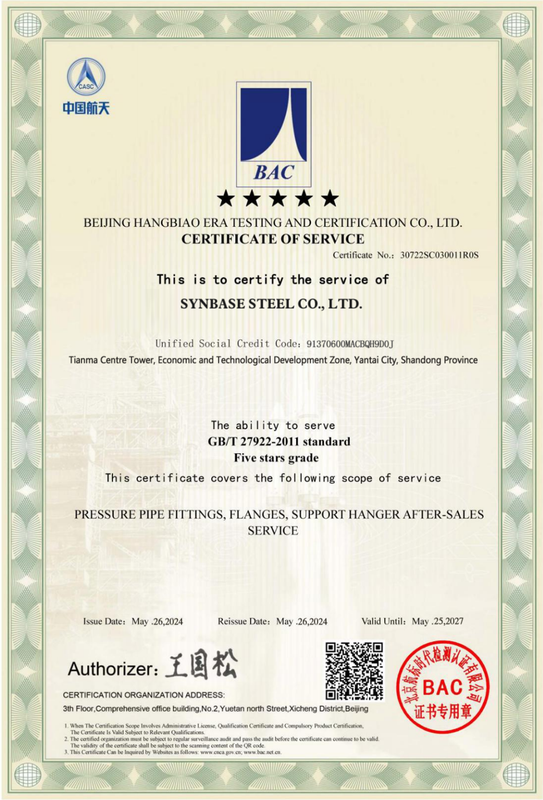
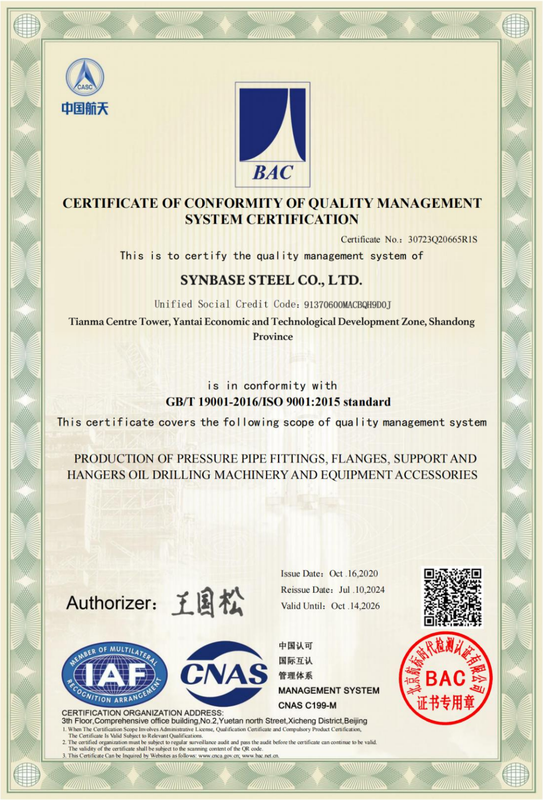
Access our dedicated calculators and selection guides for A333 low-temperature seamless steel pipe specifications, sizing, and standard equivalence.
It is seamless or welded carbon and alloy steel pipe specified for low-temperature service with required notch toughness. The defining feature is a mandatory Charpy V-notch impact test, which certifies the pipe stays tough — rather than turning brittle — at its rated minimum temperature.
A106 is built for high-temperature service and is not impact-tested; A333 is built for low-temperature service and requires a Charpy impact test, typically at −45 °C for Grade 6. Their room-temperature strength is nearly identical, so the choice is driven by the design minimum temperature, not by strength.
A333 Grade 6 is certified for service down to −45 °C (−50 °F). For colder duty you move to a nickel grade — Grade 3 to −101 °C, or Grade 8 (9% nickel) to −196 °C for cryogenic LNG service.
Grade 6 is a nickel-free carbon-manganese steel rated to −45 °C, while Grade 3 carries 3.5% nickel and is rated to −101 °C. Choose Grade 3 only when the design minimum temperature falls below what Grade 6 can certify, because the nickel adds cost.
Yes. Grade 6 is a low-temperature carbon-manganese-silicon steel (LTCS) with no nickel addition. The low-temperature performance comes from controlled chemistry, normalizing heat treatment, and impact testing — not from alloying.
Under ASME B31.3, general carbon steel can be used down to about −29 °C (−20 °F) without impact testing. Below that temperature the line must be impact-tested, which is the point at which a project switches from A106/A53 to impact-tested A333.
A333 is available seamless or welded, and both can pass the same impact test. Seamless is preferred for high-pressure and cyclic cold-service lines because it has no longitudinal weld seam to act as a fatigue or brittle-fracture initiation site — the weld zone is the highest-risk area at low temperature.
Send the design minimum temperature, grade (or let us recommend one), NPS and schedule, quantity, and required certification level (3.1 or 3.2). With those, Synbase returns a spec-matched quotation with the Charpy test scope and documentation already defined.