Send Your RFQ to Synbase Steel
Prefer to send drawings, BOMs or attachment lists by email? sales@synbasesteel.com

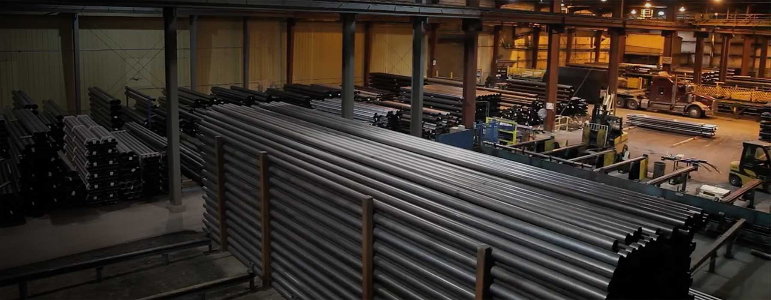
Seamless mechanical tubing earns its place when a part has to be machined, heat-treated, or pressurized without a weld line as the weak point. Synbase supplies it cold-drawn and hot-finished — carbon, alloy, and honed cylinder grades — with mill test certificates you can audit by heat number.
Request a Quote (RFQ)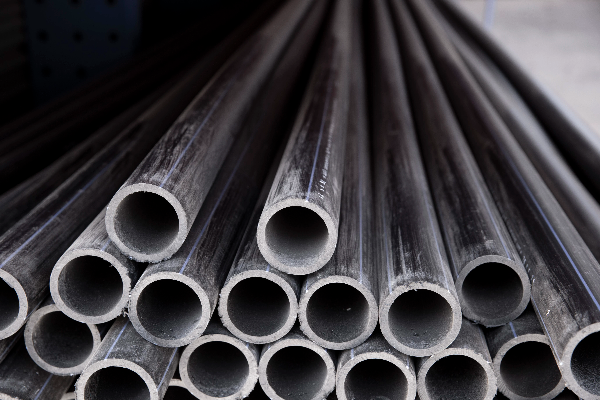
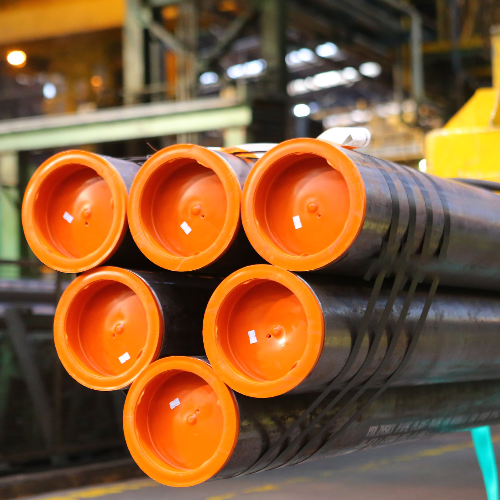
The pain: a tube that arrives 0.3 mm over on the OD, or oval on the ID, doesn’t fail at goods-in. It fails three operations later — when the bore won’t hold a seal, or the CNC chuck won’t grip true.
Seamless mechanical tubing is a carbon or alloy steel tube drawn from a single pierced billet, then sized cold or hot for parts that get machined, bored, or pressurized. There’s no weld seam to chase as a defect, which is exactly why fabricators reach for it on load-bearing and high-pressure work.
That dimensional control come from the cold-draw pass, not luck. Pulling the tube through a die over a plug or mandrel work-hardens the wall and lock the OD and ID into a repeatable band, an effect mapped in peer-reviewed residual-stress studies of drawn tubes (neutron-diffraction analysis, NIH PMC).
Choosing the correct type of seamless tubing for your needs isn’t always straightforward. We’ve compiled our expertise in the following guide. Use it to determine if you need Cold Drawn Seamless or Hot Finished Seamless. And then select the best grade and specs for your application. Synbase ensures you’re supplied with precisely what your job demands.
| Grade (ASTM/SAE) | EN / DIN equivalent | Typical duty | Why specify it |
|---|---|---|---|
| 1018 | E235 / St37 | General machined parts, bushings | Easy machining, weldable, low cost |
| 1026 | E255 / C22 | Mechanical tube, light hydraulic | The A519 CDS workhorse — strength + machinability |
| 1045 | C45 / E335 | Shafts, pins, higher-stress parts | Medium carbon, induction-hardenable |
| 4130 / 4140 | 25CrMo4 / 42CrMo4 | High-stress, fatigue, drive components | Cr-Mo alloy — strength after heat treat |
| E355 (ST52) | E355+C (EN 10305-1) | Hydraulic cylinder barrels | Honed/STH cylinder grade, high yield |
Synbase supplies round tubing in seamless mechanical grades to the A519 envelope, outside diameters up to 323.8 mm (12¾″) with wall thickness as required, plus heavy-wall and large-OD sections on request. Square, rectangular, and special shapes follow the same specification.
Cold-drawn stock arrives ready for downstream processing, boring, threading, honing, or heat treating, without the scale and oversize a hot-finished tube carries into the first cut.
The cold-draw route that fixes these tolerances works because the draw pass locks the band — the same mandrel and pilger technology described in granted USPTO process patents such as US 2009/0308125 (mandrel-mill seamless pipe) — billet pierced, elongated over a mandrel, then sized.
Have the grade and size ready?
(A519 CD seamless tube or the EN equivalent, with the finish stated)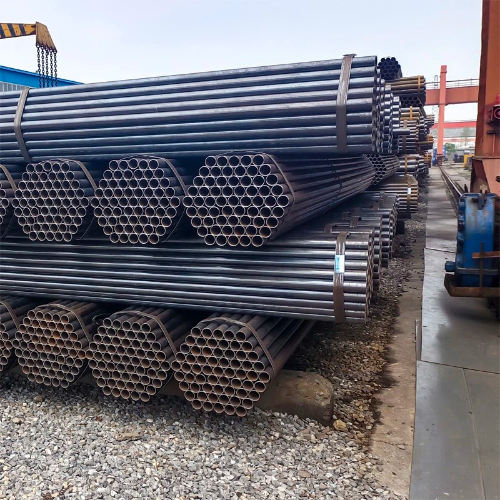
“We hold incoming billet chemistry by heat, not by batch. When a customer specs 4140 for a fatigue part, the certificate has to trace back to that exact heat, otherwise we won’t ship it as 4140.”
Matching tube grade and processing is essential. You might assume seamless is inherently stronger. But even as our Cold Drawn Seamless material can reach higher yield and tensile strengths, we always encourage comparing material specifications to understand the full context of which option suits your needs best. We’ll share full data on every product specification.
Where the seam matter most: high-pressure parts where a failure is catastrophic, close-tolerance machined components, fatigue-loaded shafts, and hydraulic cylinders that need a clean bore. Use the grid below to settle which process fits each part.
The DOM vs CDS tubing call, and the CDS vs HFS choice underneath it, comes down to wall, strength, and whether a weld line is acceptable, not marketing.
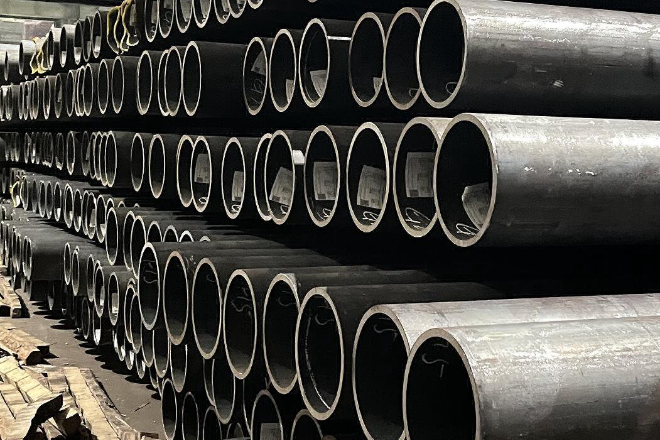
| Property | CDS (Cold-Drawn Seamless) | HFS (Hot-Finished Seamless) | DOM (Drawn Over Mandrel) |
|---|---|---|---|
| Seam | None (pierced billet) | None (pierced billet) | Welded, flash removed |
| Dimensional control | OD + ID held | OD + wall held | OD + ID, tight |
| Surface finish | Smooth, machinable | Rough (scaled) | Smooth |
| Heavy / thick wall | Yes — best for thick wall | Yes — heaviest | Limited (thinner) |
| Typical tensile | Grade-dependent (e.g. 4140 high) | Lower (as-rolled) | ~80,000 psi typical |
| Best when… | Heavy wall, high pressure, deep machining | Cost-driven, rough machining | Thin-wall, tight-tol, no deep cut |
So the rule of thumb that ‘seamless wins on precision’ is as wrong as it’s right. Where Synbase’s CDS wins on spec is the heavy-wall, high-pressure, deep-machining corner – thicker walls than DOM can draw, with no seam to open under cyclic load.
Work-hardening and recovery behavior driving that strength is documented in cold-drawing studies of seamless tube (cold drawing on a floating plug, NIH PMC).
Cold drawing also raises yield strength and wall uniformity while improving machinability, the reason cold-drawn tube outperforms hot-rolled stock in critical applications, from heat-exchanger tube to heavy structural applications.
Not sure which process your part needs?
Send the drawing for a free CDS-vs-DOM recommendation →A cylinder barrel live or dies by its bore. Too rough and seal wears out early; too loose on the bore and piston blows by the seal under pressure (a warranty risk that’s yours to bear, not the tube mill’s). This is where honed tube for hydraulic cylinder service, in suitable-to-hone (STH) E355 / ST52, earns its stripes.
| Bore size | H7 tolerance | H8 tolerance | Surface finish (Ra) |
|---|---|---|---|
| 50 mm ID | +0.025 / 0 mm | +0.039 / 0 mm | ≤ 0.4 µm |
| 100 mm ID | +0.035 / 0 mm | +0.054 / 0 mm | ≤ 0.4 µm |
| >350 bar / high-speed | H7 preferred for servo & precision | ≤ 0.2 µm | |
As default for cold-drawn cylinder tube, specify H8 and step up to H7 for servo-hydraulic, precision pneumatic, or instrument-grade bores. ISO 286-1 (iso.org), the standard underpinning your drawing’s H7/H8 call-out, serves as your entire frame for these tighter, closer fits and tolerances.
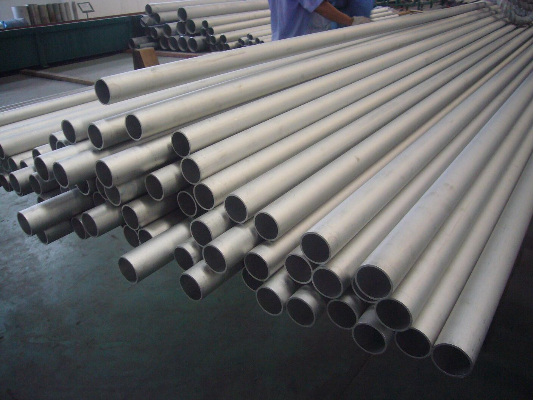
“Many stockists market ‘as-drawn tube as honed’; unlike these, Synbase provides a proven bore class, with H7/H8 fit measured against ISO 286, not presumed. Buyers often overlook the reality that st52 honed cylinder tube’s value lies in its roundness sustained down its length – we test it.”
Building cylinders?
(With the bore class and surface finish stated)One drawing calls out A519; next one uses EN 10305-1; Russia sends over GOST from its EPC. They aren’t direct substitutes but are traceable: this crosswalk help assure that your RFQ in one standard doesn’t turn into the wrong material from a supplier.
| Region | Standard | Scope | Typical grade |
|---|---|---|---|
| USA | ASTM A519 / ASME SA-519 | Seamless C & alloy mechanical tube | 1026, 4130, 4140 |
| Europe | EN 10297-1 | Seamless tube, mechanical engineering | E355, 25CrMo4 |
| Europe (precision) | EN 10305-1 | Cold-drawn precision seamless | E235+C, E355+C |
| Germany | DIN 2391 | Precision steel tube (legacy) | St37, St52 |
| Japan | JIS G3445 | Carbon steel mechanical tube | STKM 13/17 |
| Russia/CIS | GOST 8734 | Seamless cold-drawn tube | 10, 20, 45 |
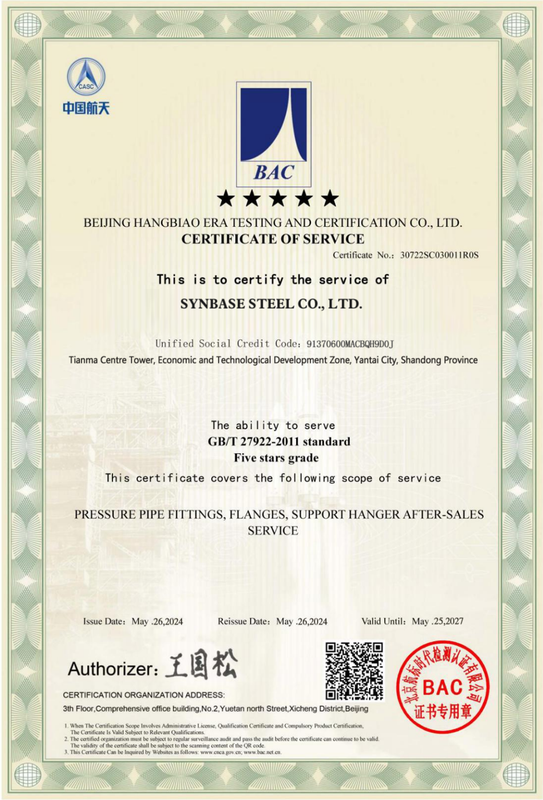
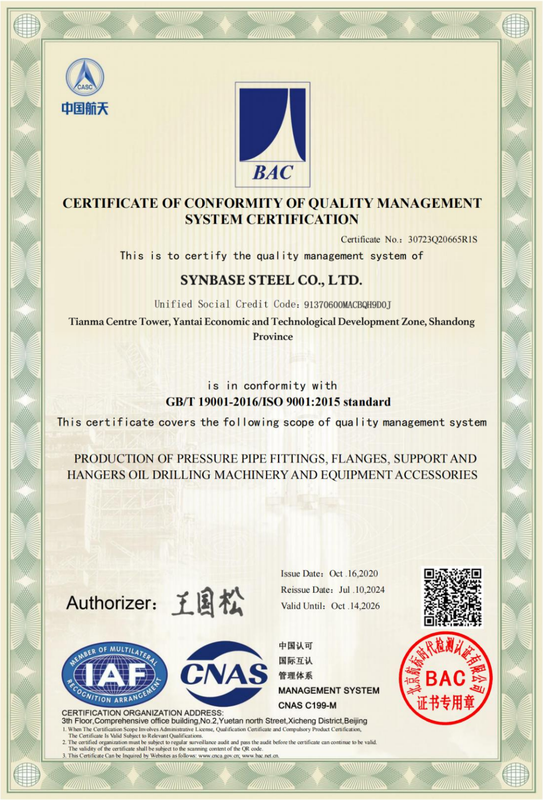
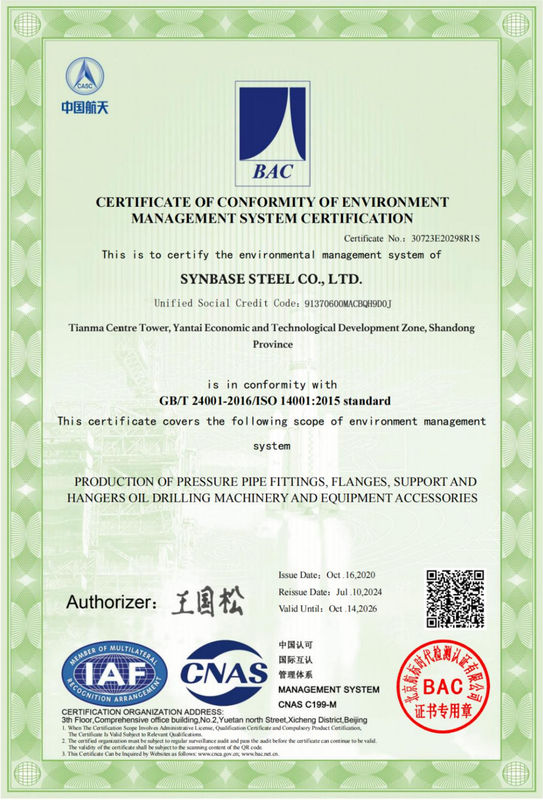
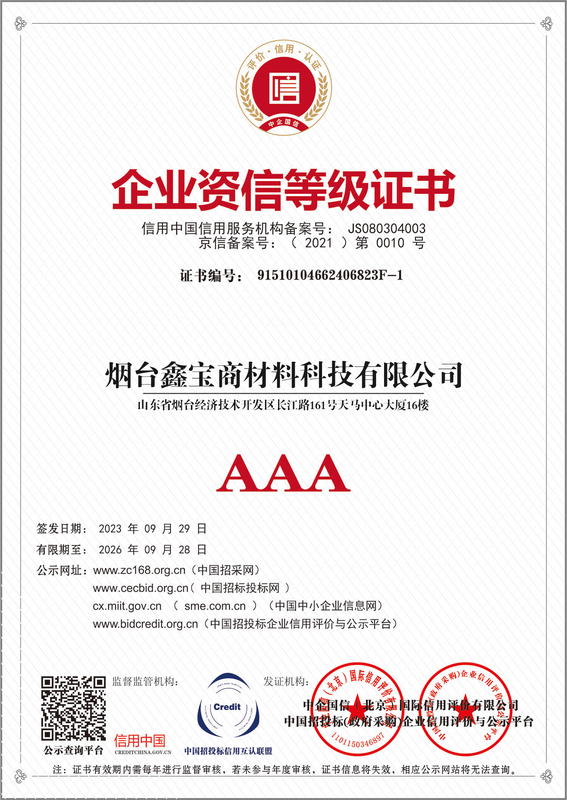
What’s the value of a cert if its data isn’t trustworthy? The industry itself warns that mill test certificates are routinely faked, misused or shipped with missing Charpy and chemistry values – and without the proper fields filled, the document isn’t compliant, even if the ones shown are within spec.
A doctored or incomplete certificate is a hidden risk – one that may come up during a customer audit, and bring your entire project to a halt. Valve, hydraulic, and pressure-equipment OEMs, and energy buyers, read each line item, so the paperwork has to withstand that.
Quality management
Environmental
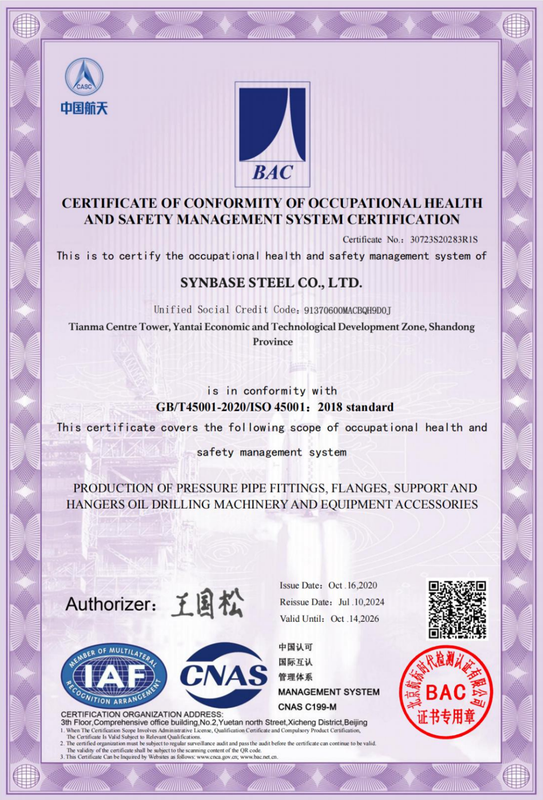
Occupational H&S
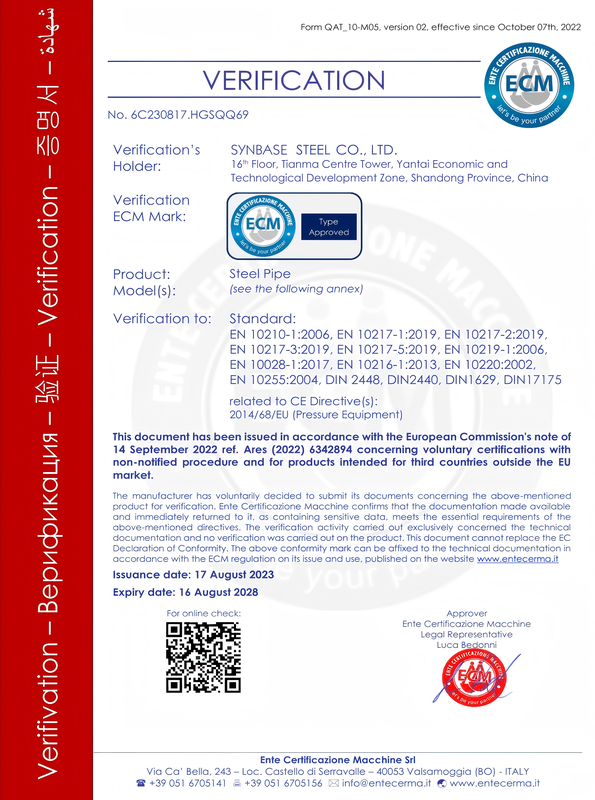
EU conformity
MTC by heat number
Third-party witness
A clean RFQ means a clean quote. The price for seamless mechanical tubing isn’t static – based on a single listed price – it moves with these key parameters. Just include them in your enquiry, and you can shave time off the negotiation.
Choosing 1026 over 4140, or honed E355 can change the cost substantially.
Larger OD and heavier wall tube are generally more difficult to produce.
A519 standard tolerances are wider, and generally cheaper than tighter ISO 286 H7/H8 honed ID’s.
As-drawn, suitable-to-hone, or finish-honed.
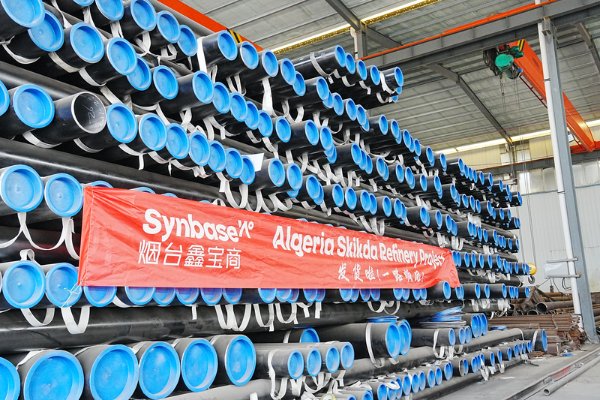
For volume, delivery time, and terms of delivery (incoterms)Synbase’s logistics and engineering staff work with you to meet application-specific requirements. Working with clients across 100+ countries means the delivery question come up all the time, but never stands in the way.
The tight process control needed to ensure held tolerances are consistent run-to-run also come from the process design residual-stress design in seamless tube (NIH PMC), managed, not exacerbated by subsequent processing.
Tell us the grade and standard, OD and wall and length, the desired tolerance, finish, number of pieces, and the destination port – and we’ll come back with a quotation, estimated lead-time, and certificate type.
Contact us for a customized quotationSelect the appropriate calculator or reference tool below to configure specifications, determine manufacturing routes, and calculate theoretical weights for your mechanical tubing requirements.
Interactive selector to match application requirements with Cold Drawn Seamless, Hot Finished Seamless, or Drawn Over Mandrel manufacturing processes.
Launch ToolReference tool for hydraulic cylinder specifications, cross-referencing ID tolerances (e.g., ISO 286) and surface finish standards.
Launch ToolUtility to calculate theoretical mass per meter, length equivalents, and total lot volumes for seamless steel mechanical tubing.
Launch ToolTell us the grade, size, tolerance class, and certificate needed. We’ll provide you with a competitive quote, lead time, and the corresponding cross reference to a traceable heat number-backed, EN 10204 3.1 mill test certification.
DOM (drawn over mandrel) is welded first, then cold-drawn over a mandrel, its tolerances are tight, but it has a seam and tends to be thinner-walled. CDS (cold-drawn seamless) starts from a pierced billet with no seam and can be drawn in heavier walls, which is why it’s preferred for high-pressure and deep-machining parts.
Both are used. For thin-wall, tight-tolerance barrels with no deep machining, DOM is cost-effective; for heavier walls, higher pressure, or honed bores in E355/ST52, cold-drawn seamless is the more honest choice. Tell us the bore, pressure, and wall and we’ll recommend.
CDS is held to both OD and ID with a smooth, machinable surface and higher strength from cold work. HFS is held to OD and wall, has a rougher as-rolled surface, comes in heavier walls, and costs less, fine where close tolerance and finish aren’t critical.
Order to whatever your drawing cites; they map but aren’t line-for-line identical. A519/SA-519 is the US mechanical-tube standard, EN 10305-1 covers European cold-drawn precision tube, and DIN 2391 is the legacy German precision spec. Synbase quotes to your standard and states the equivalent on the certificate.
Yes, that’s exactly its purpose. CDS gives tighter OD/ID control, a smoother finish, and higher strength than hot-finished tube, which is why precision and machined-part work specifies it over hot-rolled stock.
Yes, honed and suitable-to-hone (STH) seamless tube in E355/ST52, to ISO 286 H7/H8 bore with Ra ≤ 0.4 µm (Ra ≤ 0.2 µm for >350 bar or high-speed duty).