Send Your RFQ to Synbase Steel
Prefer to send drawings, BOMs or attachment lists by email? sales@synbasesteel.com

High temp steam, and hydrogen lines fail with incorrect grade or heat supplied in field. The traceable Cr-Mo pipe is available to maintain creep strength at full service life.
The seamless Cr-Mo (chromium-molybdenum) family is the logical choice when carbon steel begins to lose structural load-carrying capacity in-service at temperature, or deforms under elevated-temperature or high-pressure hydrogen conditions. This alloy pipe is manufactured in grades P5, P9, P11, P22 and P91, meeting ASTM A335 / ASME SA335, and ships with a guaranteed, EN 10204 3.1 mill test certificate traceable to each heat.
Request a Quote / Talk to an Engineer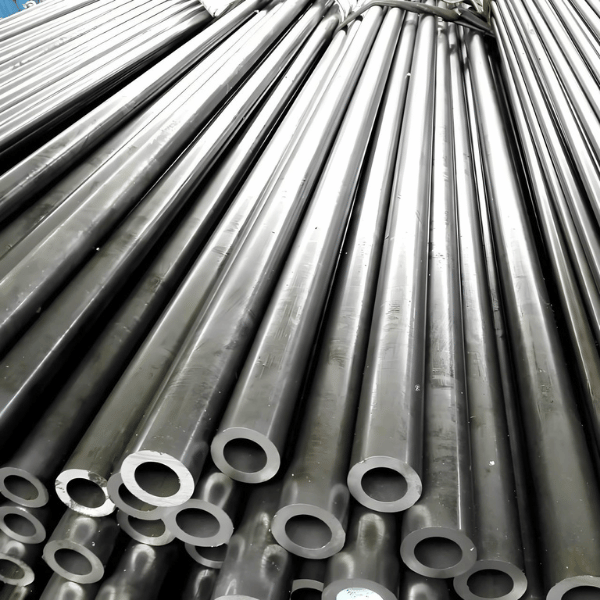
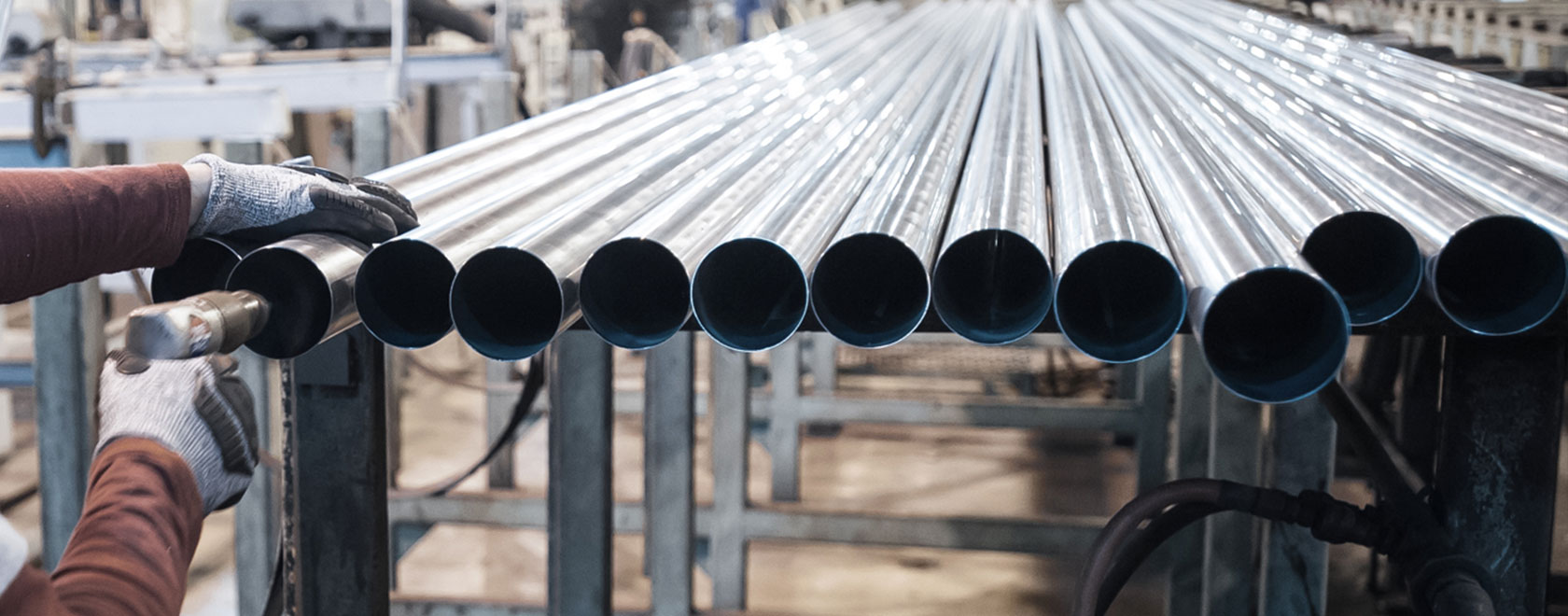
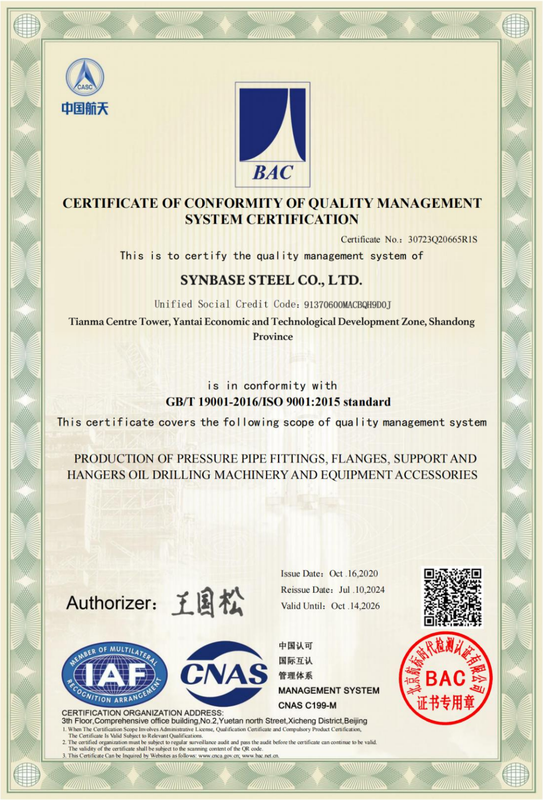
Because Synbase produces this as a true seamless ferritic alloy steel pipe, there is no weld seam to become the weak axis under cyclic thermal load. That structural reason is why ASTM A335 is written for high-temperature service rather than general conveyance, and why the Synbase factory holds ISO 9001 process control on every heat.
Carbon steel softens and creeps under sustained load above roughly 425 °C, and in high-pressure hydrogen above ~230 °C it loses carbon to internal decarburization. That failure mode is slow and invisible, and it ends in a ruptured header after years in service.
The obvious reason process plants are specified with chromium-molybdenum alloy steel is that chromium builds a tenacious protective chromium-oxide skin which inhibits attack from hydrogen and also prevents oxidation at high-temperature flue gas service. Molybdenum is added to “pin” the grain structure to maintain yield and creep strength at high temperature out to 100,000 hours service life where carbon steel deforms itself away.
Not sure carbon steel is failing your line?
Get a custom service-temperature review →A higher P-number is not always the right choice. P91 carries the highest creep strength, but its narrow welding window and mandatory PWHT are a real trade-off — below 565 °C a well-made P22 line performs identically at a lower installed cost.
The honest answer is that the cheapest grade and the dearest grade are both wrong for most lines; the right one sits in between. Whether the line needs a P22 pipe for a hydrocracker or a P91 pipe for a superheater, the engineers at Synbase match grade to your actual metal temperature, pressure and service medium, because the wrong call shows up as a creep failure 20-year later, not on the PO.
| Grade | Nominal | Cr % | Mo % | Max temp | Best-fit service | Fitting |
|---|---|---|---|---|---|---|
| P11 | 1.25Cr-0.5Mo | 1.00–1.50 | 0.44–0.65 | ~510 °C | Economic power steam lines | A234 WP11 |
| P22 | 2.25Cr-1Mo | 1.90–2.60 | 0.87–1.13 | ~565–620 °C | Refinery, hydrocracker, hydrogen service | A234 WP22 |
| P5 | 5Cr-0.5Mo | 4.00–6.00 | 0.45–0.65 | ~600 °C | Crude / sulfidation environments | A234 WP5 |
| P9 | 9Cr-1Mo | 8.00–10.00 | 0.90–1.10 | ~650 °C | High-oxidation refinery furnace | A234 WP9 |
| P91 | 9Cr-1Mo-V-Nb | 8.00–9.50 | 0.85–1.05 | ~593–600 °C | Ultra-supercritical superheaters & headers | A234 WP91 |
Use this as a starting point, not a final spec, because wall thickness, code case and PWHT plan all shift the economics. Before quoting, Synbase reviews every grade choice against your line conditions, the same way our application desk screens an incoming RFQ against the governing code such as ASME B31.1.
“We furnish P91 with post-weld heat treatment provided on our own shop floor under our direct controls, and the certification for every length matches its’ exact P.O. in every respect-chemistry, mechanical properties, the whole works. It means we can document every length comes with certified properties and the heat treatment it needs; for our 9Cr-1Mo-V products, unverified heat is simply not a “ discount” in price: rather it is a future failure, albeit deferred for an incalculable time until disaster finally strikes.”
Want help matching ASTM A335 P11 or P22 to your service?
Request a custom grade-selection review →It is the comparison at temperature that makes the difference – not room temp. Below is the compromise that makes the specs want chrome moly and avoid standard black steel – or order unnecessarily the stainless.
| Property | Carbon steel (A106 B) | Cr-Mo (A335 P22) | Stainless (TP304/316) |
|---|---|---|---|
| Practical max temp | ~425 °C | ~565–620 °C | ~600–650 °C |
| Creep strength (elevated) | Low | High | High |
| Hydrogen-attack resistance | Poor >230 °C | Strong (Nelson Curve) | Strong |
| Relative material cost | 1.0× | ~2–3× | ~4–6× |
| Min tensile strength | 415 MPa | 415 MPa | 515 MPa |
Carbon steels win on price; stainless steel loses a service life in hot hydrogen unless it contains chromium content to above 230 C. Stainless steels are corrosion resistant but the material premium of around 4-6 when cost out-weighs operational failure (pitting rather than creep) at 565 C needs examination.
Cr-Mo occupies the engineered sweet spot, and that’s the sweet spot that Synbase is basing its value proposition on – giving a refinery the steam, temperature and hydrogen range it needs without stainless steel costs. For nearly all high-temperature steam and hydrocarbon services, Cr-Mo ISO-tested specs provide the lowest-risk specification under ASME B31.3 process piping.
Ready to see how the grades compare for your metal temperature?
Compare grades for your application →Every number on each value listed below is sourced back to the appropriate ASTM A335 spec, with the ASME Section II reference, because line pipe composed of a chrome moly is no better than the knowledge of its heat. Every batch is tested by Synbase and reported to the same 3.1 limits, through spectrometry, high-temperature tensile and impact checks.
| Grade | C % | Cr % | Mo % | Other | Tensile | Yield |
|---|---|---|---|---|---|---|
| P11 | 0.05–0.15 | 1.00–1.50 | 0.44–0.65 | Si 0.50–1.00 | ≥415 MPa | ≥205 MPa |
| P22 | 0.05–0.15 | 1.90–2.60 | 0.87–1.13 | — | ≥415 MPa | ≥205 MPa |
| P5 | ≤0.15 | 4.00–6.00 | 0.45–0.65 | — | ≥415 MPa | ≥205 MPa |
| P9 | ≤0.15 | 8.00–10.00 | 0.90–1.10 | — | ≥415 MPa | ≥205 MPa |
| P91 | 0.08–0.12 | 8.00–9.50 | 0.85–1.05 | V 0.18–0.25, Nb 0.06–0.10 | ≥585 MPa | ≥415 MPa |
Tensile strength and yield strength numbers shown are room-temperature minimums, and a measured tensile value is reported for each heat so you can calculate from tested numbers. At ≥585 MPa tensile and ≥415 MPa yield, P91 is what allows the much thinner wall.
As low-alloy steels, P11 and P22 keep carbon content low for weldability, while P91’s higher chromium pushes it toward the high-alloy steel range. Matching the specific grade to working pressure and metal temperature is what protects the mechanical properties a code calculation depends on.
P91 develops its creep strength from a tempered-martensite structure, not from chemistry alone. After welding, the joint must cool below 100 °C so austenite fully transforms before PWHT begins.
Begin post-weld heat treat (PWHT) too early, and the structure is never attained and the pipe will creep to failure at less than the design life. That is why Synbase always ships P91 in the proper N+T condition and records the heat-treatment condition on the cert.
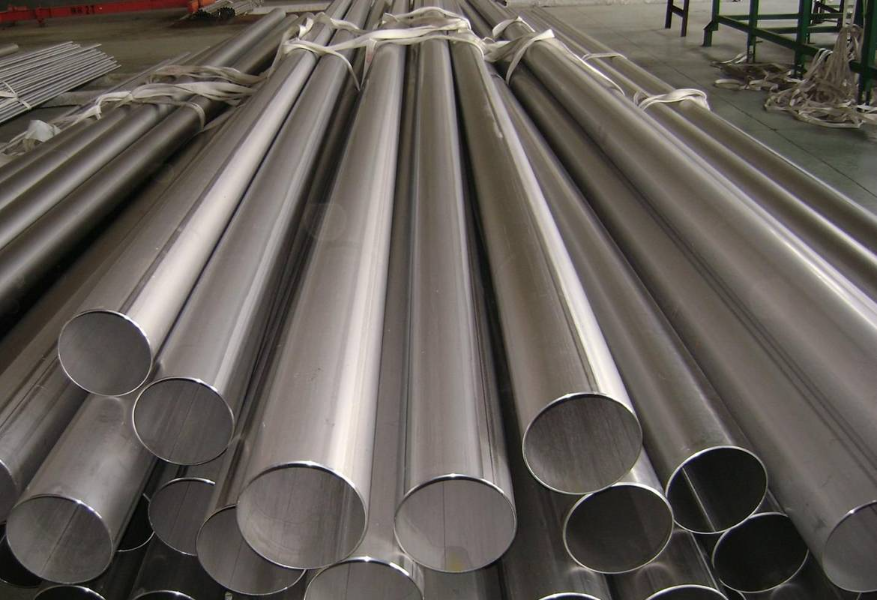
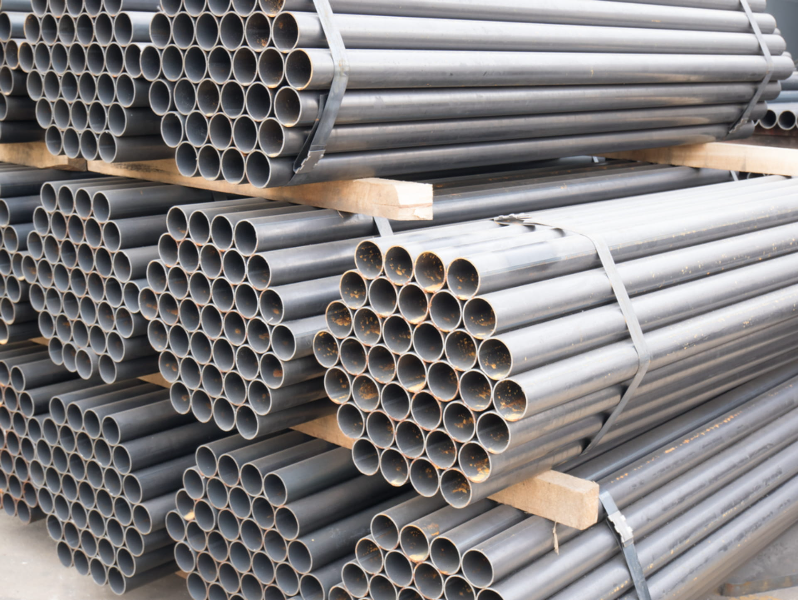
~50%
Wall thickness a P91 line can save versus P22 at the design point — lower material, welding and lifting cost over the run.
Industry-reported range for 9Cr-1Mo-V vs 2.25Cr-1Mo; actual savings depend on design code and wall calculation.
The engine room for plants that operate hot and under pressure comes in the form of Cr-Mo seamless pipe and the grade corresponds to the service. At Synbase we’ve put alloy pipe into project locations across over 100 countries so below the application map is where those grades are found.
Sizing a line for your conditions?
Get a custom spec-matched quote →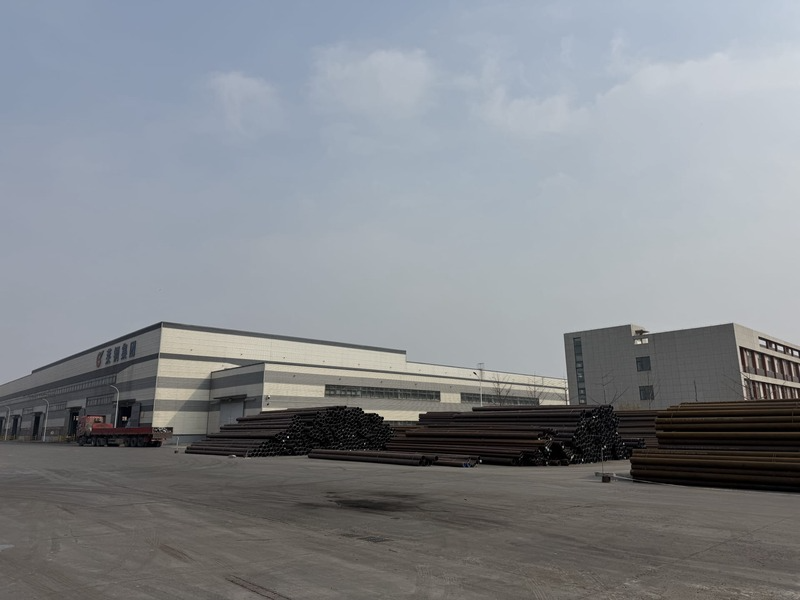
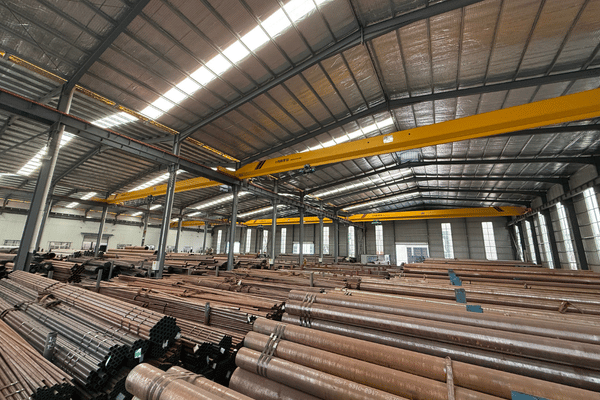
There is no more confidence to offer an end-users certificate that a pipe relies on the strength of its steel mill. That’s why clients assess their manufacturing capability and resource for the critical-service project. Synbase, the pipe division of E-CHENG STEEL GROUP, the seamless business has the base with 5 hot-rolling production lines and 1 cold-drawing line on an area 200,000sq.m.
Capacity increased to 1.3 million per annum in 2025; with OD up to 711 mm; and to 36m in length.
In-line NDT include eddy current testing, ultrasonic inspection, magnetic-flux leakage and hydrostatic tests on each heat.
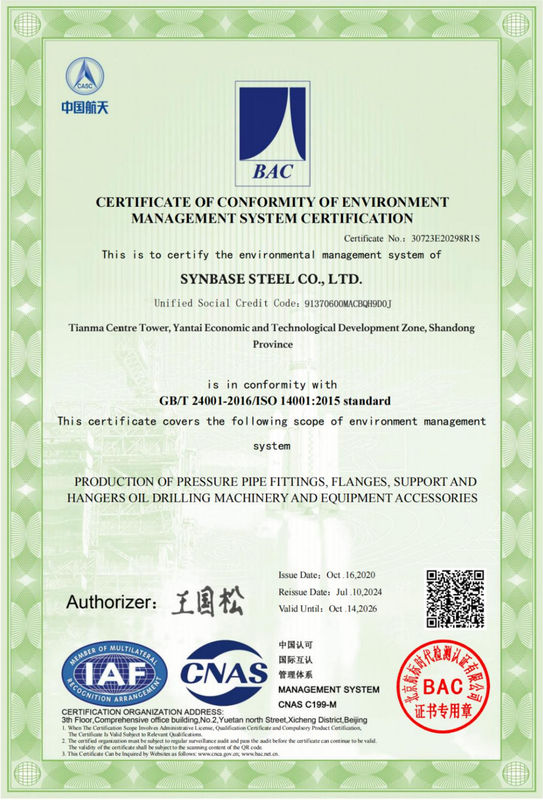
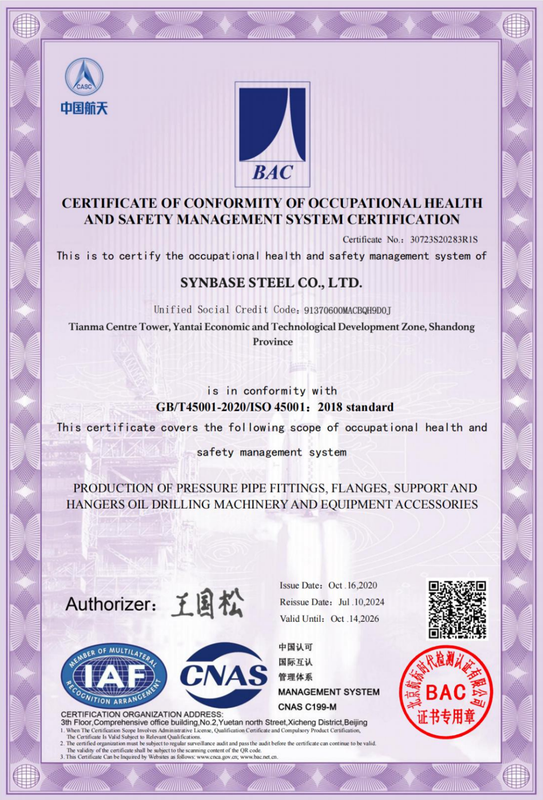
The lab holds API and ISO 9001 scope with spectrometer, metallographic, impact and high-temperature tensile rigs.
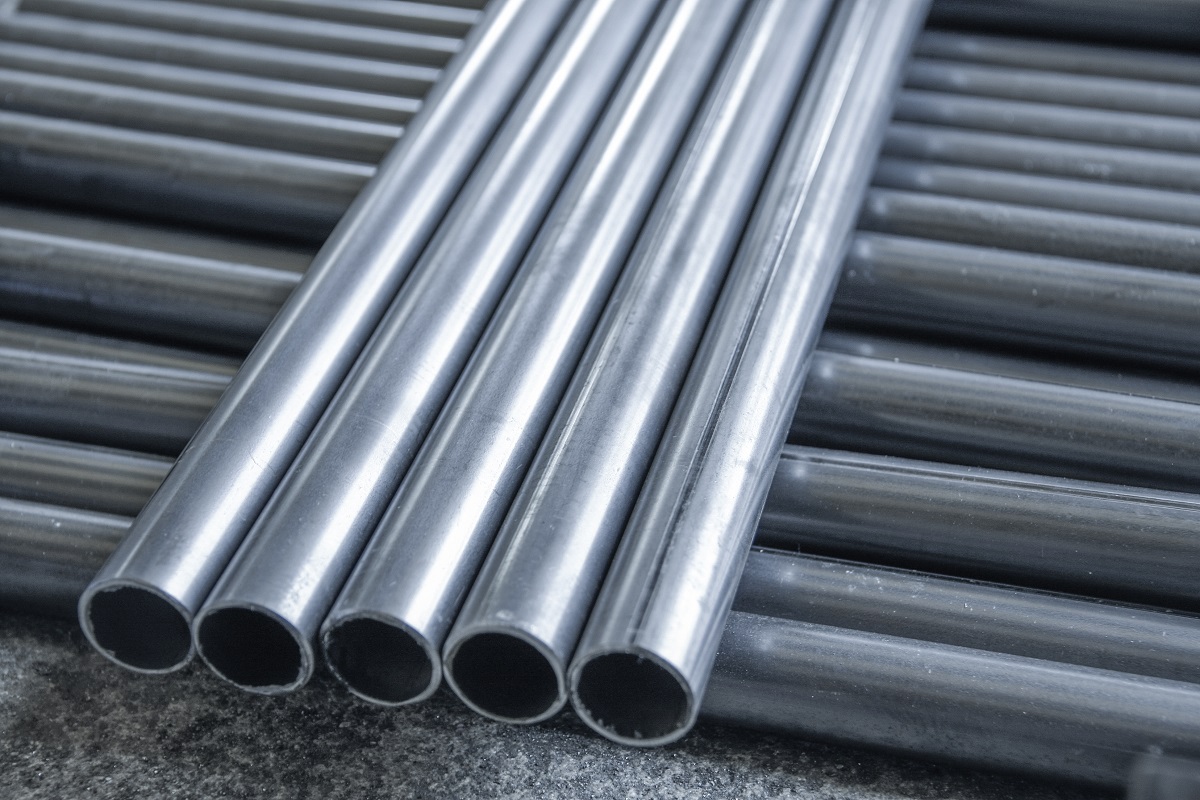
Each heat starts as a solid billet, then moves through hot rolling or cold drawing to final size, with no extrusion seam to weaken the wall. Those chromium-molybdenum alloying elements give the finished alloy pipe its weldability, ductility and temperature resistance, which together extend service life in corrosive environments and keep structural integrity under load.
As the facility is owned rather than brokered, Synbase offers complete heat-to-mill certificate control & 24-hr technical support for your order. The difference our ownership can make – something a new supplier cannot easily replicate, is how our certificate traces to a single line.
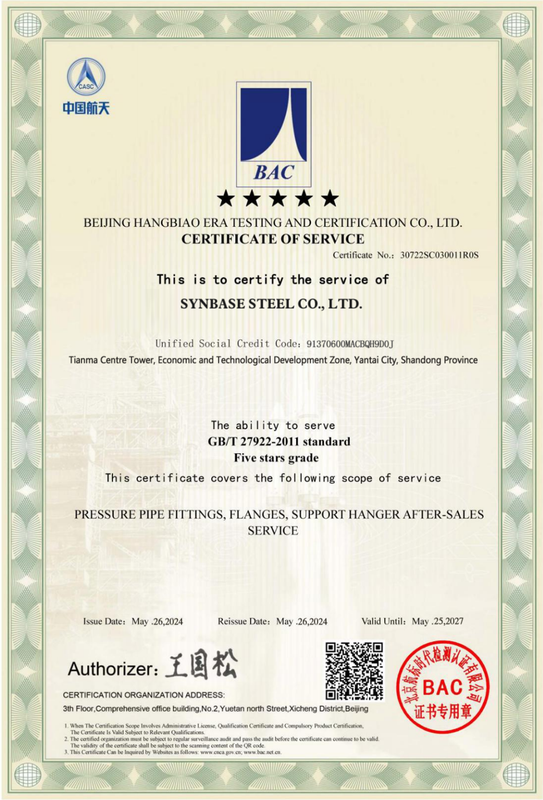
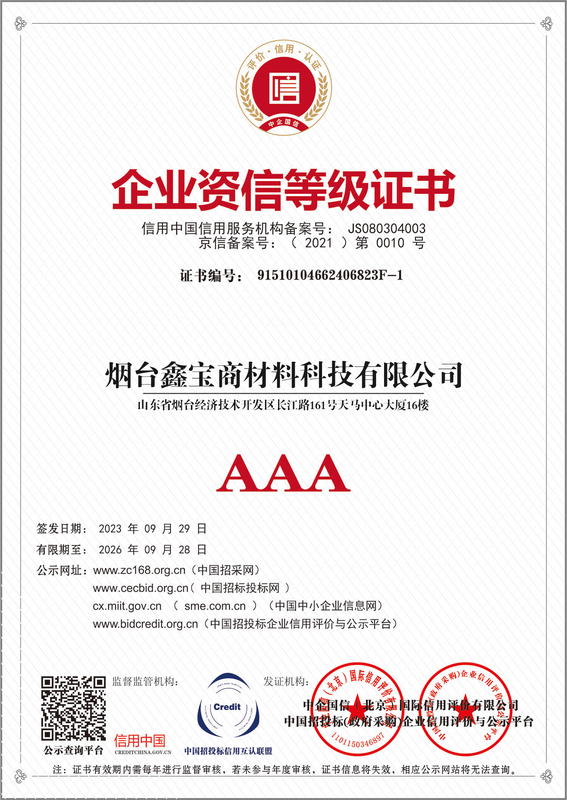
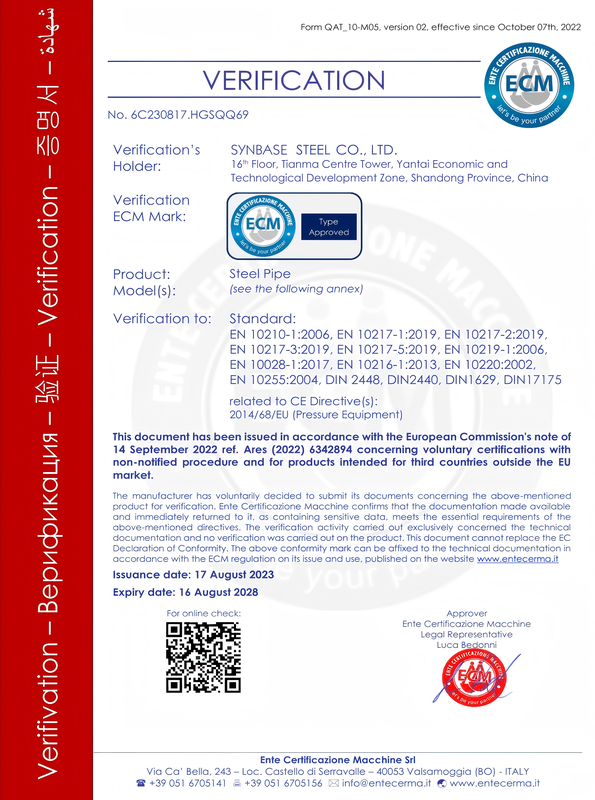
The most common reason buyers hesitate with a new supplier is certificate trust, and for Cr-Mo it is justified, because some mill certificates do not explicitly state EN 10204 compliance even when the order requires it. Every heat from Synbase is certified with a 3.1 document that names the heat number, chemistry and the actual mechanical test for that batch.
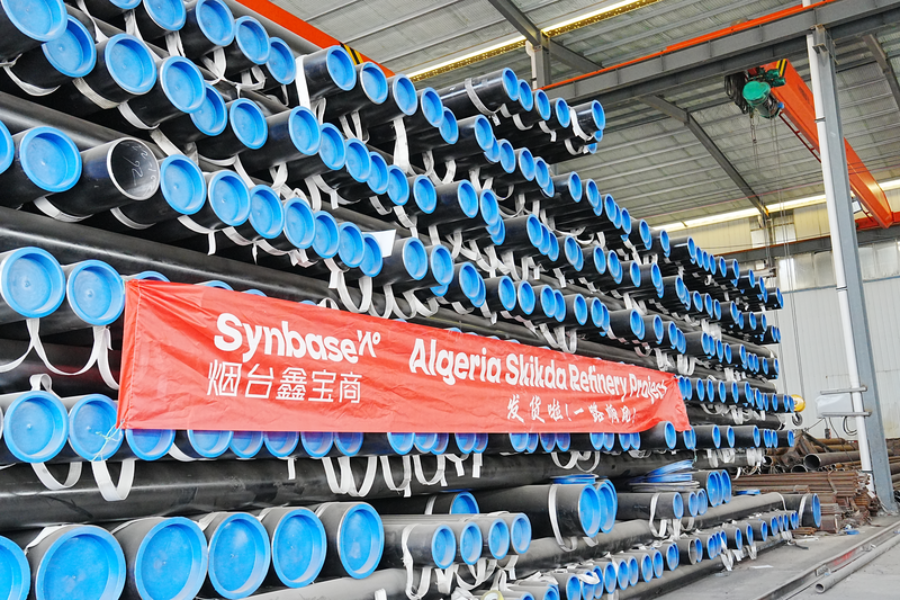
Synbase supplies 1/2″ to 24″ NPS, SCH 20 through XXS per ASME B36.10M, in random or fixed mill lengths to 36 m, because a complete line beats a partial release. Matching A234 fittings and A182 flanges ship on the same order, and our 24-hour desk holds the schedule.
For lead time and a firm price, send your grade, size, schedule, quantity and certification level. Our Synbase engineering team returns a custom spec-matched quotation, traceable to a single ISO 9001 production line.
Pricing on Cr-Mo pipe is driven by more than weight, so a single list price would mislead — and that trade-off is the one buyers miss. Each quotation from Synbase is built from the factors below rather than a flat rate.
P91 (9Cr-1Mo-V) is a costlier option than P11/P22 on a per-tonne basis owing to the composition and smaller testing range of P91.
Weight and schedule – heavy wall and large OD increase the cutting and finishing cost.
Level Certification; 3.1 standard: 3.2 Third-party Witness: third party adds inspection cost.
Volume and Condition – N + T Heat Treatment and the NDT scope and order amount must be considered.
Have your line specs ready?
Request a custom spec-matched quote →Standardized engineering utilities designed for piping specifiers and EPC contractors to calculate weights, cross-reference international material standards, and select optimal alloy grades.
Evaluate temperature, pressure, and hydrogen service conditions to determine the appropriate Chromium-Molybdenum alloy specification.
Compute theoretical mass per meter for seamless carbon and alloy steel pipes based on NPS, schedule, and wall thickness.
Cross-reference global metallurgical standards to identify exact or nearest equivalent grades across ASTM, EN, and DIN specifications.
Both are chrome moly pipe, but P11 is 1.25Cr-0.5Mo for service to about 510 °C, while P22 is 2.25Cr-1Mo with higher creep and hydrogen-attack resistance to roughly 565–620 °C. P22 is the refinery workhorse; P11 suits milder, more cost-sensitive steam lines.
No. P22 and P91 are ferritic alloy steels, not stainless. Their chromium (2.25% and ~9%) builds high-temperature and hydrogen resistance, but it stays below the ~10.5% threshold that defines stainless steel.
P11 corresponds closely to 13CrMo4-5, P22 to 10CrMo9-10, and P91 to X10CrMoVNb9-1 under EN 10216-2. Synbase can supply against ASME, EN or DIN designations on request, all as seamless ferritic alloy steel pipe.
Carbon steel creeps and suffers hydrogen attack at the temperatures these plants run. Chrome molybdenum pipe holds strength and resists hydrogen for the design life, which is why it is specified despite a higher purchase price.
Yes. Synbase supplies matching A234 chrome moly pipe fittings and A182 flanges in the same grade, each with an EN 10204 3.1 mill certificate traceable to heat number; 3.2 third-party certification is available for critical service.