Send Your RFQ to Synbase Steel
Prefer to send drawings, BOMs or attachment lists by email? sales@synbasesteel.com

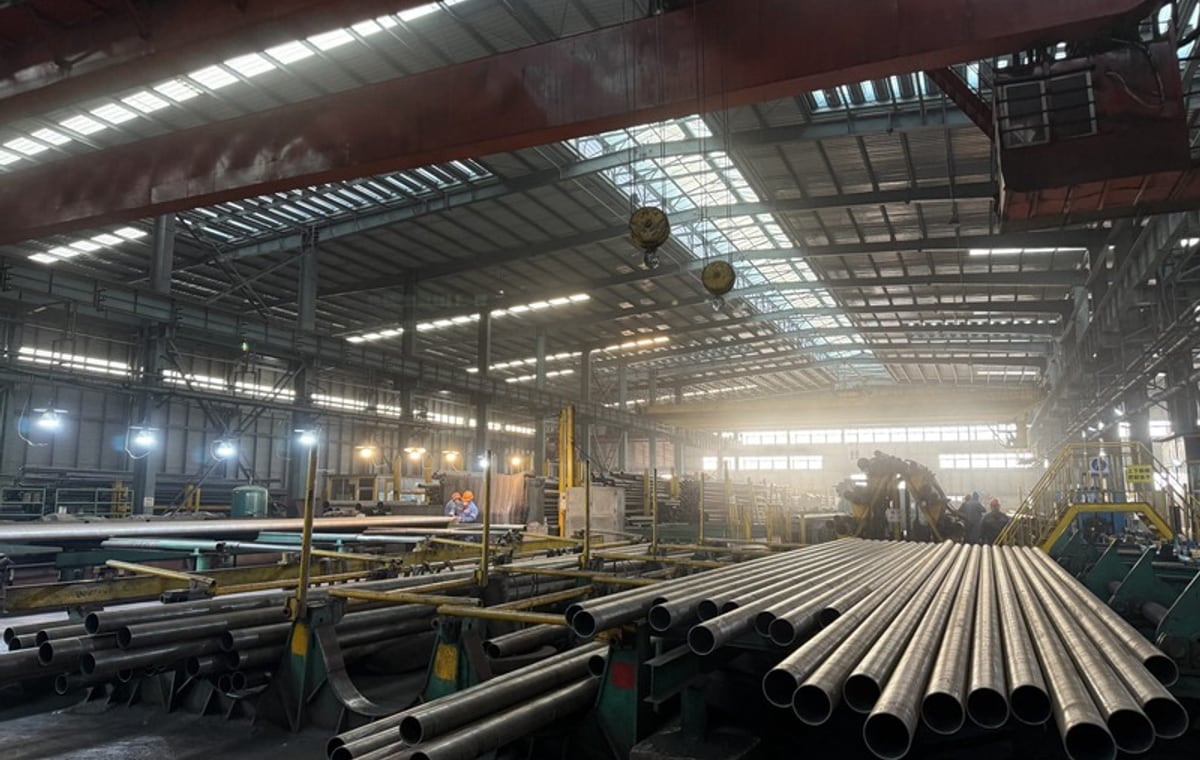
Synbase forges and welds steel pipe fittings to ASME B16.9 and B16.11 across carbon (A234), alloy, and stainless (A403) grades, in NPS 1/2 to 72 inch and schedules from Sch 10 to XXS. Each shipment can include EN 10204 3.1 mill test certificates that trace the finished fitting and mother material to a heat number through manufacturer-direct production records.
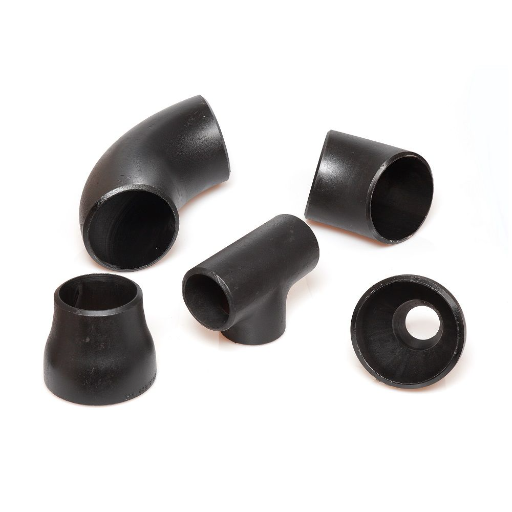
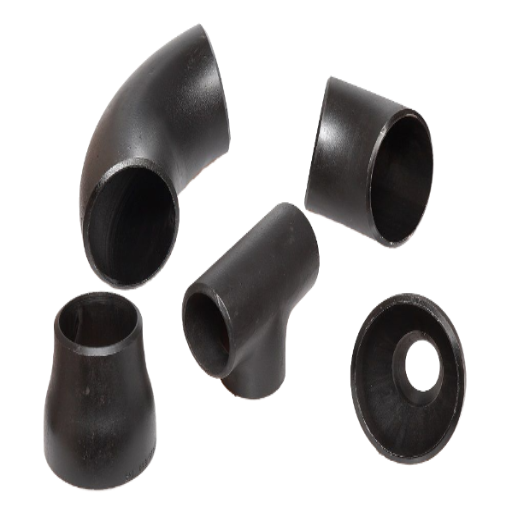
Steel pipe fittings are welded or forged components such as elbows, tees, crosses, reducers, caps, and stub ends. They change direction, branch, reduce, or terminate a pressurized piping run by connecting permanently to the pipe.
For oil & gas, power, and petrochemical projects, fitting risk usually appears in wall tolerance, incomplete MTC traceability, or landed-cost assumptions that were not checked before shipment. Synbase Steel, the pipeline-equipment core of E-CHENG STEEL GROUP, supplies steel pipe fittings with published dimensional limits, verifiable chemistry, and clearly stated landed-cost assumptions. This page is an engineering reference for the fitting range and the details buyers should specify in an RFQ.
Request a Quote / RFQ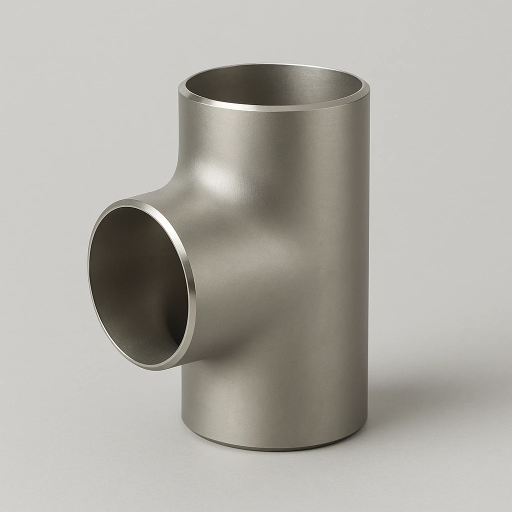
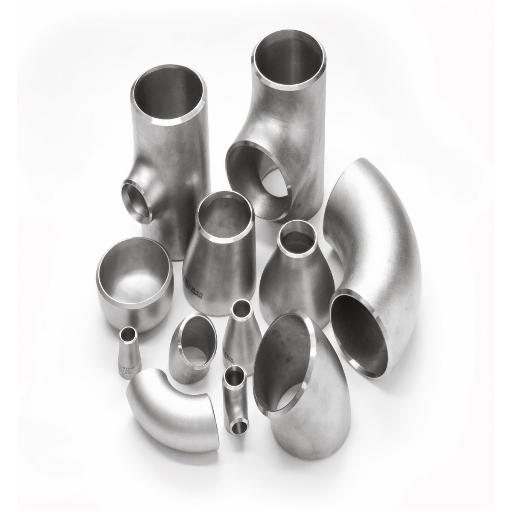
ASME standards, butt-weld & forged
NPS size range
carbon, alloy & stainless grades
wall schedule envelope
heat-traceable MTC standard
countries served
Most fitting failures and cost overruns trace to three decisions made before the purchase order: the wrong wall schedule, an unverified material grade, and an unmodeled duty exposure.
A buttweld fitting carries no separate pressure class the way a flange does. ASME B16.9 permits a finished fitting to run as thin as 87.5% of nominal wall. On a sour or high-cycle line, that unverified 12.5% is the difference between lasting the design life and thinning to failure.
Carbon A234 WPB is not rated for sour (H2S) service by default; sour duty demands NACE MR0175/ISO 15156 compliance, a hardness ceiling of 250 HBW, and HIC/SSC testing.
U.S. antidumping exposure can apply to some carbon steel butt-weld fittings, but the scope depends on product type, size, origin, exporter status, and current classification.
A supplier that publishes product class, heat-number traceability, and tariff assumptions helps buyers review landed cost with their broker before shipment.
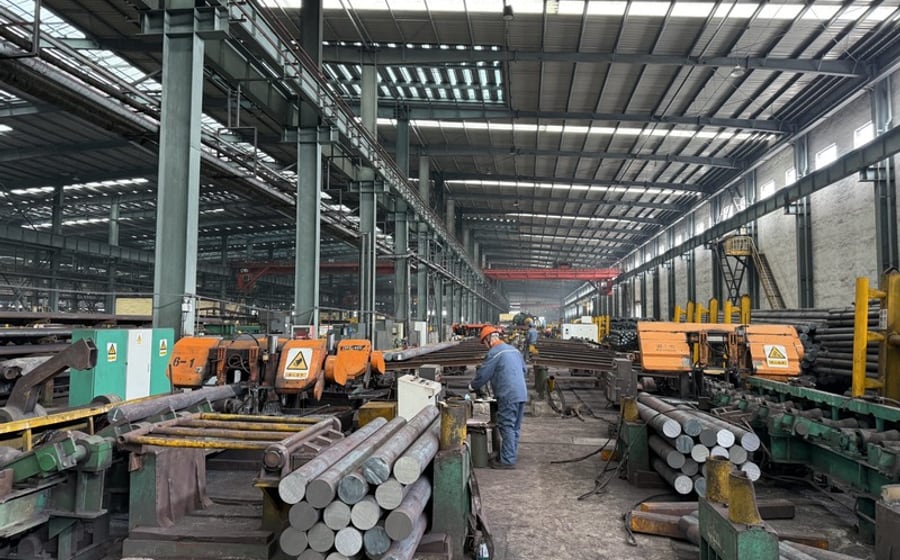
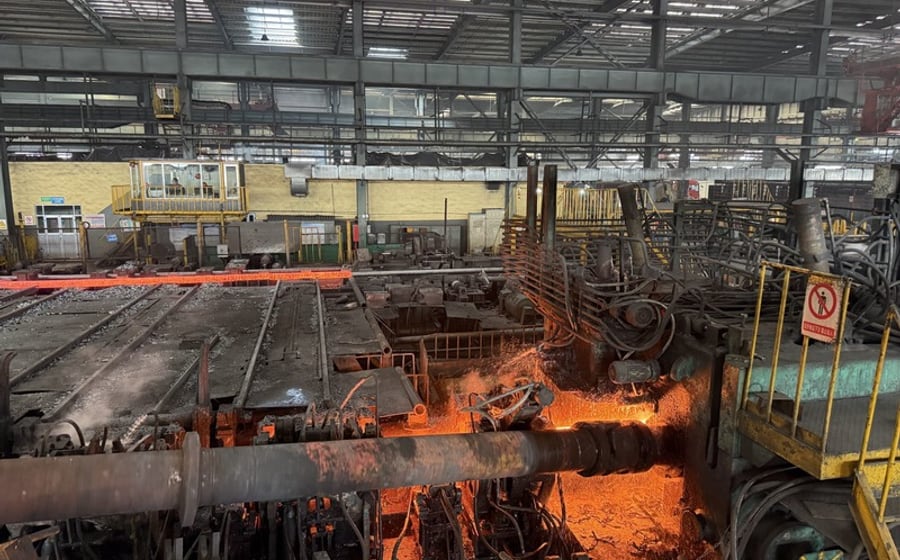
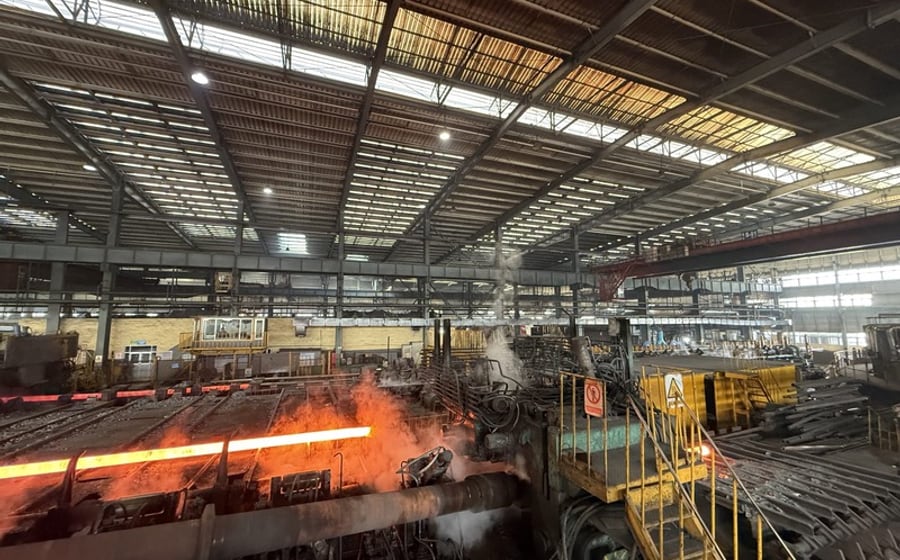
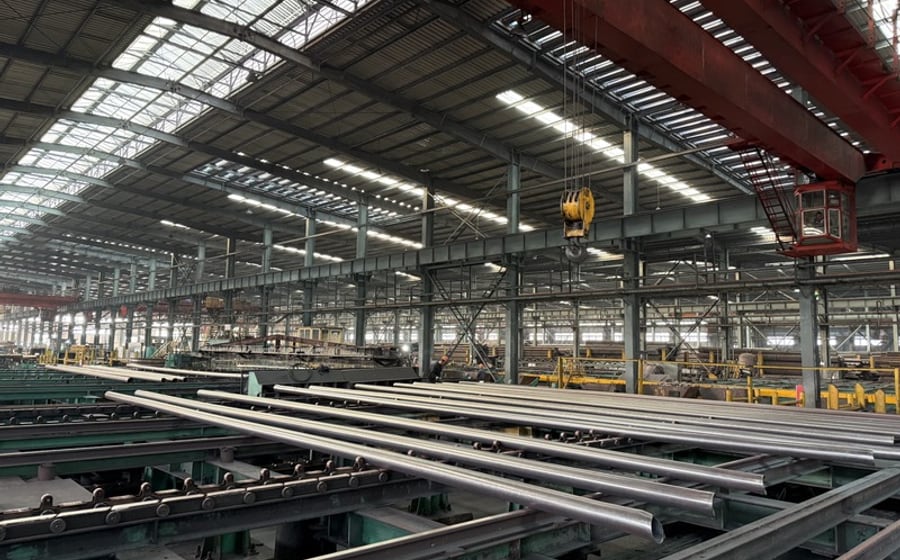
Because we forge and weld fittings through documented production routes, we publish the dimensional envelope, hold mother-material and finished-fitting records under traceable heat numbers, and separate landed-cost assumptions for broker review.
On a refinery revamp, a fitting from mixed stock can fail the audit gate if the heat number and supporting MTC are missing, creating avoidable schedule risk.
Synbase documents the chain auditors check, including heat number, mother material, forming route, heat treatment, and certificate package.
Synbase manufactures the eleven fitting types that build a complete welded piping system, each to its governing ASME or MSS standard and available across carbon, alloy, and stainless grades.
Each fitting below maps to standard B36.10M (carbon) and B36.19M (stainless) pipe, so it mates to the pipe you already specified. Every product links to its dedicated datasheet. An elbow alters flow direction; a tee or cross branches the line; a reducer changes diameter; a cap closes a line; a stub end backs a lap-joint flange; a socket-weld fitting joins small-bore pipe inside a machined recess.
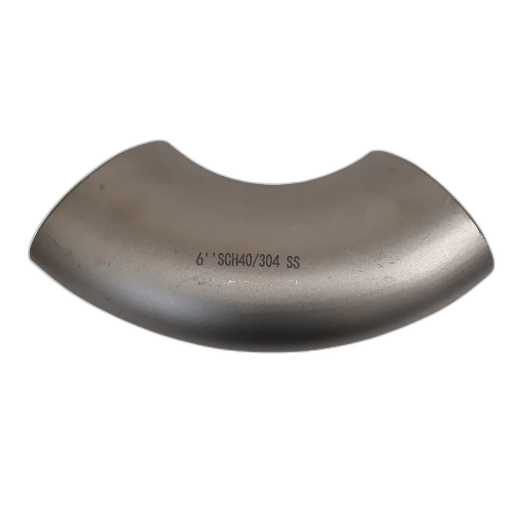
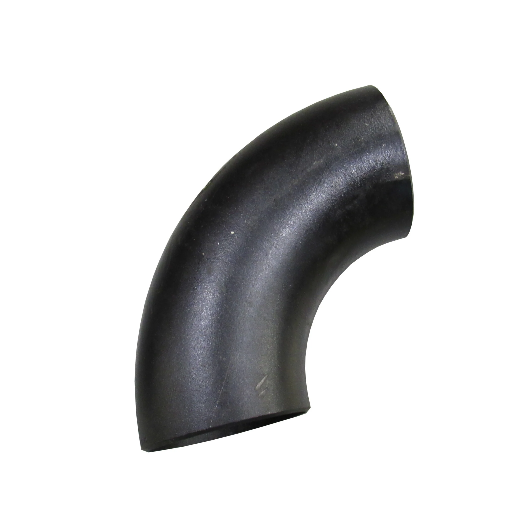
ASME B16.9 · LR center-to-end = 1.5×NPS · A234 / A403
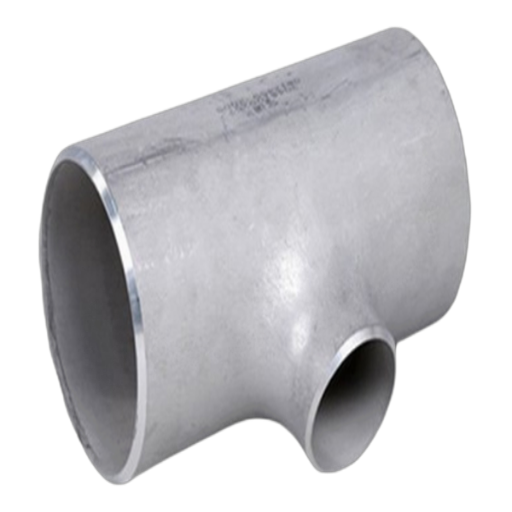
ASME B16.9 · 90° branch · carbon / alloy / stainless
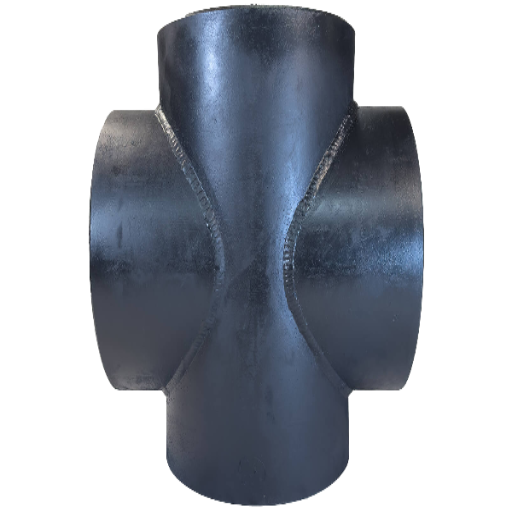
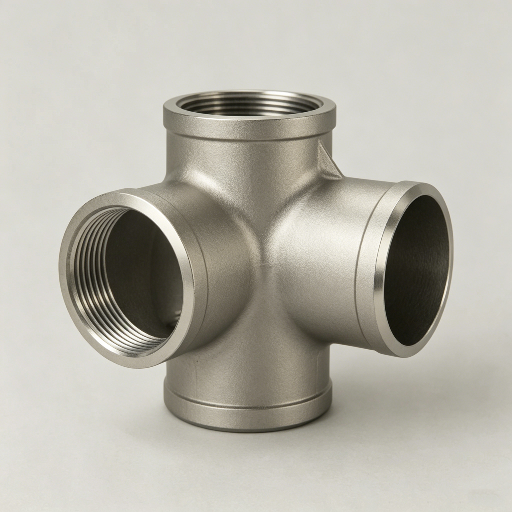
ASME B16.9 · four-way branch · A234 / A403
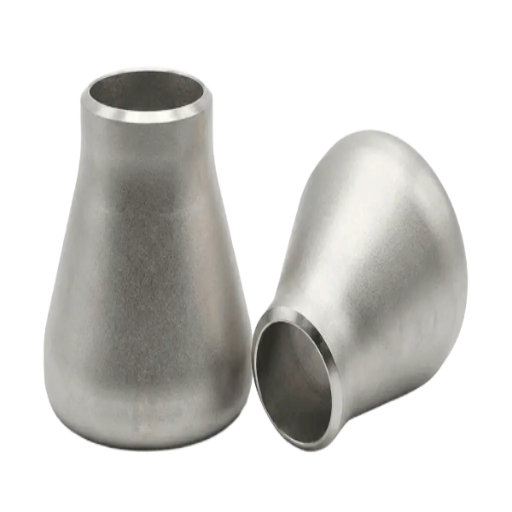
ASME B16.9 / MSS SP-75 · on-axis diameter change
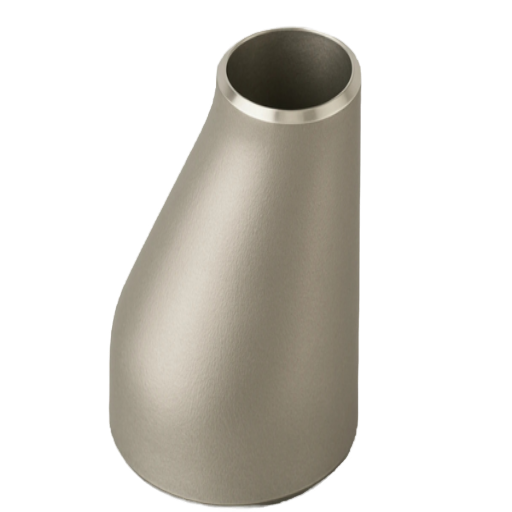
ASME B16.9 · offset axis · pump-suction / pipe-rack
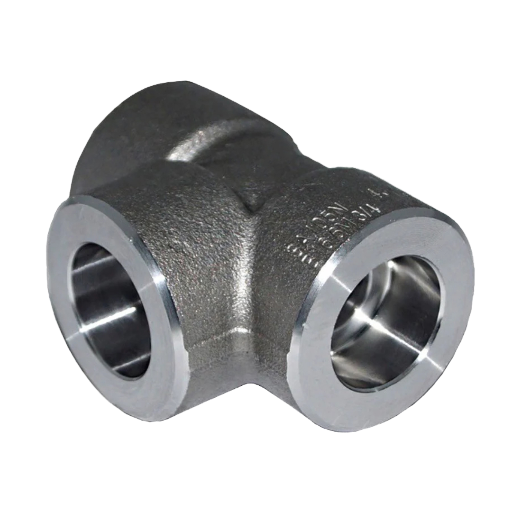
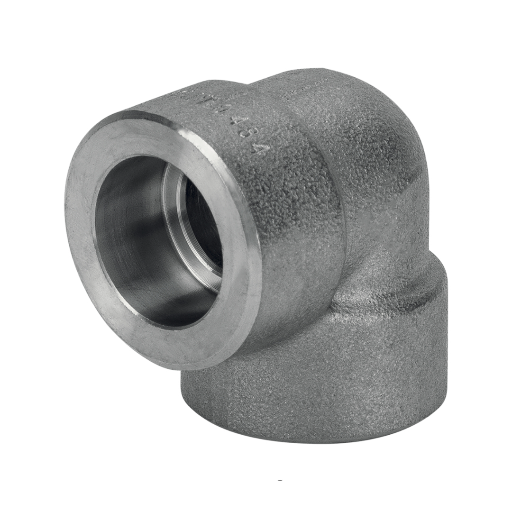
Elbows, tees, couplings · Class 3000/6000/9000 · NPS 1/2–4
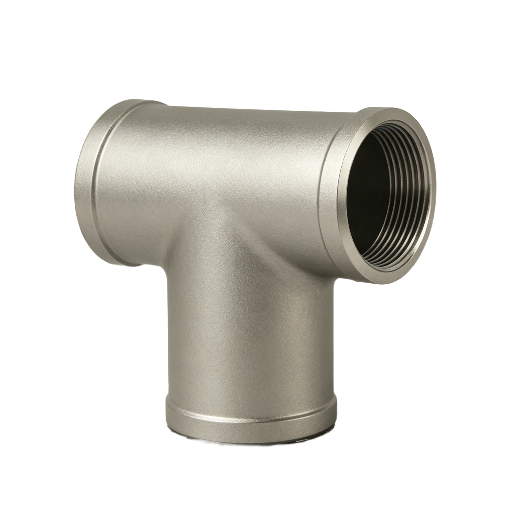
ASTM A403 304/304L/316/316L · solution-annealed
A234 WPB/WPC · MSS SP-75 WPHY high-yield
| Fitting type | Governing standard | Size range | Typical grades | Primary function |
|---|---|---|---|---|
| Butt weld elbow (45/90/180) | ASME B16.9 / B16.28 | NPS 1/2–48 | A234 WPB, A403 304/316 | Change flow direction |
| Butt weld tee (equal/reducing) | ASME B16.9 | NPS 1/2–48 | A234 WPB/WPC, A403 | Branch one line into two |
| Butt weld cross | ASME B16.9 | NPS 1/2–24 | A234, A403 | Four-way branch junction |
| Concentric reducer | ASME B16.9 / MSS SP-75 | NPS 3/4–60 | A234, WPHY, A403 | On-axis diameter change |
| Eccentric reducer | ASME B16.9 | NPS 3/4–48 | A234, A403 | Offset-axis change (drainage) |
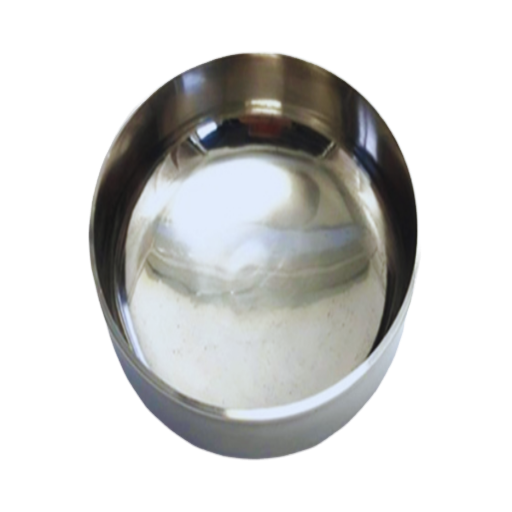
| Pipe cap | ASME B16.9 | NPS 1/2–48 | A234 WPB, A403 | Permanent line termination |
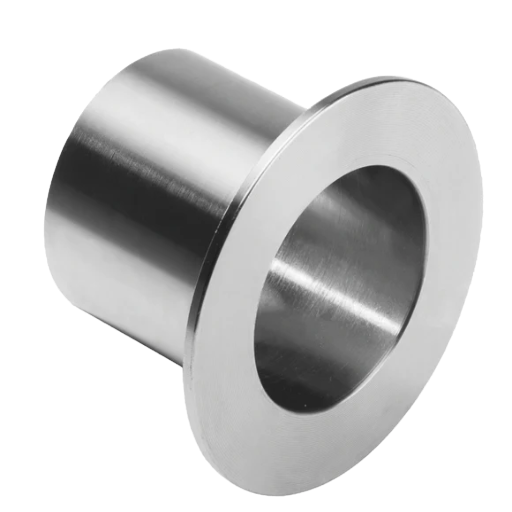
| Stub end | ASME B16.9 / MSS SP-43 | NPS 1/2–24 | A403 304/316, A234 | Lap-joint flange backing |
| Socket weld fitting | ASME B16.11 | NPS 1/2–4 | Class 3000/6000/9000 | Small-bore welded joint |
| High-yield line fitting | MSS SP-75 (WPHY) | NPS 16–60 | WPHY-42 to WPHY-70 | Cross-country transmission |
| Stainless / alloy fitting | ASME B16.9 + ASTM A403 | NPS 1/2–48 | 304/304L/316/316L, WP11–WP91 | Corrosion / high-temp service |
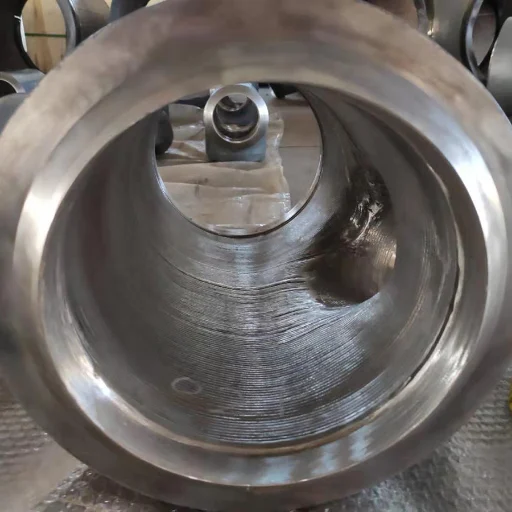
| Weld overlay (clad) fitting | Project spec + B16.9 base | NPS 2–48 | CRA over A234 backing | Sour / corrosive media barrier |
Standard scope per ASME B16.9; MSS SP-75 fixes its own dimensions only for NPS 16 and larger, with NPS 14 and below defaulting to B16.9.
End-connection choice follows fluid service and pipe size, not fitting price, butt-weld dominates above NPS 2, socket-weld serves small-bore where maintainability matters, and threaded is reserved for low-pressure utility.
This is the decision that separates an engineering buyer from an order-taker. A senior pipe engineer on a 2024 industry forum put it plainly:
“Material selection is based on the fluid service or process condition, not cost saving. Joints below NPS 2 are typically socket-weld as you can’t do butt-welding (impracticable), again not for cost saving.”
| If your line is… | Specify | Why | Standard |
|---|---|---|---|
| NPS 2.5 and up, any critical service | Butt weld (A234 / A403) | Full-penetration weld, no internal crevice, smooth bore | ASME B16.9 |
| NPS 1/2–2, small-bore utility / instrument | Socket weld Class 3000–9000 | Self-aligning recess, faster small-bore welds | ASME B16.11 |
| Low-pressure water / air, non-critical | Threaded Class 2000–6000 | No welding required; serviceable | ASME B16.11 |
| Cross-country transmission, X42–X80 pipe | High-yield buttweld (WPHY) | Matched yield to API 5L line pipe | MSS SP-75 |
| Severe cyclic / high-vibration service | Butt weld only | Code prohibits socket-weld here | ASME B31.3 |
Grade selection sets the service envelope: A234 WPB/WPC carbon for general and higher-pressure duty, A234 Cr-Mo alloys for creep and high temperature, and A403 304/316 stainless for corrosion and chloride service.
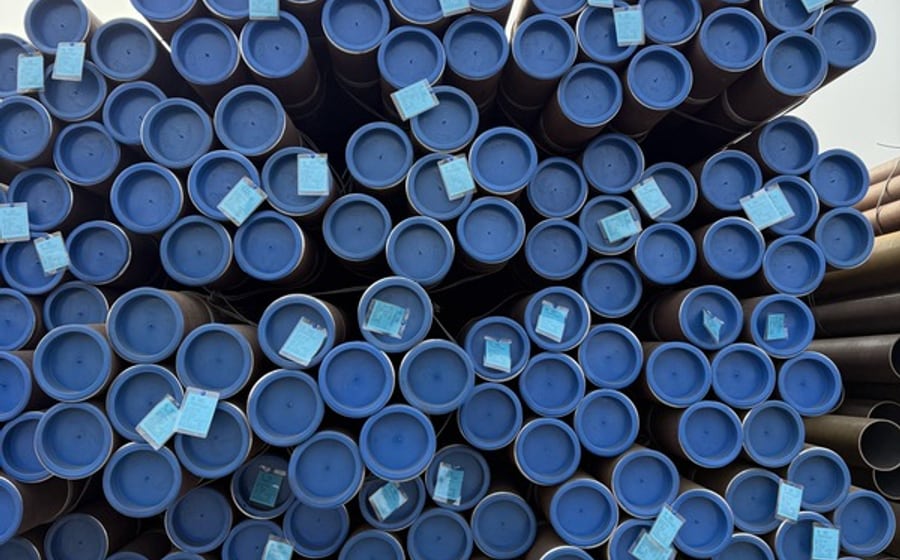
A single material standard, ASTM A234, spans the carbon-and-alloy ladder from ambient WPB service to roughly 650°C creep duty in WP91, which lets a project hold one material spec across most of its temperature range. Stainless butt-weld fittings run on ASTM A403, which covers wrought (forged or rolled) fittings only and explicitly excludes castings. The grade chemistry below is the basis a procurement team checks against the mill test certificate.
The 2–3% molybdenum in 316/316L is the entire reason it resists chloride pitting where 304 fails. On marine, desalination, and offshore platforms, that moly addition isn’t an upgrade, it’s the spec. Where the media is highly corrosive, the low-carbon “L” grades hold carbon to 0.030% to prevent weld-zone sensitization. For dissimilar joints to carbon pipe, the weld filler matters as much as the fitting grade (see the FAQ).
One adjacent product often specified alongside fittings is the flange. Synbase manufactures the matching forged flange range, weld-neck, slip-on, blind, and lap-joint, on the same heat-traceable basis; see our steel flanges category when your spool needs both. This page stays on fittings.
A fitting’s pressure capacity comes from its wall schedule, not a class number, you choose the schedule to match the connecting pipe, then verify the finished wall against the 87.5% minimum.
Because a buttweld fitting take its rating from the connecting pipe wall, the schedule is the load-bearing decision. Carbon and alloy fittings follow ASME B36.10M; stainless follows B36.19M, whose “S” schedules (5S, 10S, 40S, 80S) run deliberately thinner than the matching carbon schedules. The Ladder below pairs each schedule and forged class to its wall basis, matched connection, and the field tolerance that governs fit-up.
| Designation | Wall basis | Matched connection | OD tolerance band (B16.9) | Typical energy service |
|---|---|---|---|---|
| Sch 10 / 10S | Thin wall | Low-pressure stainless lines | +1.6/−0.8 mm (≤NPS 2.5) | Sanitary, low-pressure SS |
| Sch 40 / STD | Standard wall | General process pipe | +1.6/−0.8 mm small bore | Utility & process piping |
| Sch 80 / XS | Extra strong | Socket-weld Class 3000 | per size band | Higher-pressure process |
| Sch 160 | Heavy wall | Socket-weld Class 6000 | +4.8/−3.2 mm mid-size | High-pressure hydrocarbon |
| XXS | Double extra strong | Socket-weld Class 9000 | +6.4/−4.8 mm (NPS 20–48) | Severe high-pressure |
| SW Class 3000 | Matches Sch 80/XS pipe | NPS 1/2–4 socket weld | ambient-rated, de-rates w/ heat | Small-bore instrument |
| SW Class 6000 | Matches Sch 160 pipe | NPS 1/2–4 socket weld | ambient-rated | Small-bore high-pressure |
| SW Class 9000 | Matches XXS pipe | NPS 1/2–4 socket weld | ambient-rated | Small-bore severe service |
| WPHY (SP-75) | Matched to API 5L wall | Butt weld NPS 16–60 | per SP-75 | Transmission pipeline |
Two schedule points matter in procurement review. First, the forged class number (2000/3000/6000/9000) is a maximum working-pressure rating at ambient temperature only and de-rates as temperature rises; “Class 3000” is not a fixed 3000 psi guarantee in every service. Second, a higher schedule is not automatically better: thicker wall shrinks the bore and can raise velocity and erosion risk. Schedule should be matched to the calculated service, not maximized by habit.
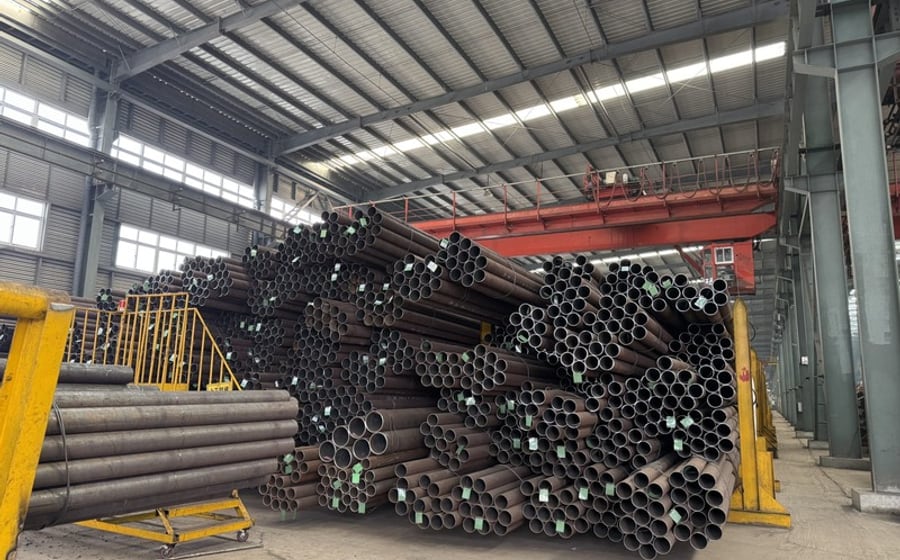
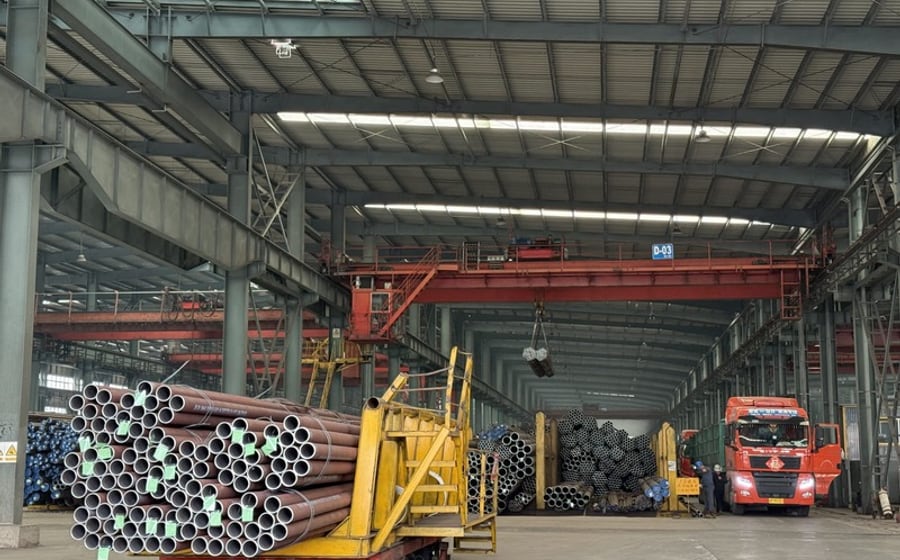
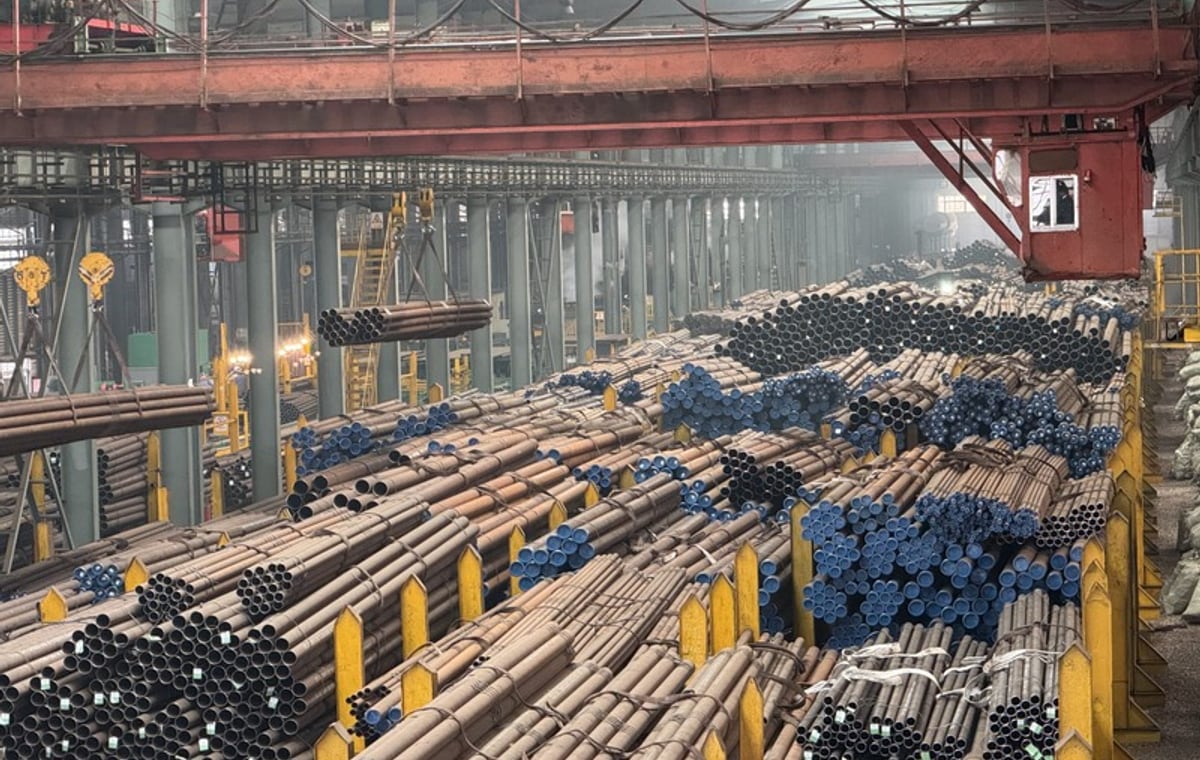
Synbase holds common carbon and stainless schedules in E-CHENG’s warehousing network and forges heavy-wall or non-standard runs to order, so a project that mixes Sch 40 headers with Sch 160 branch lines can receive matched, heat-traceable fittings from one source. The schedule is selected against service conditions and order requirements, not only from available stock.
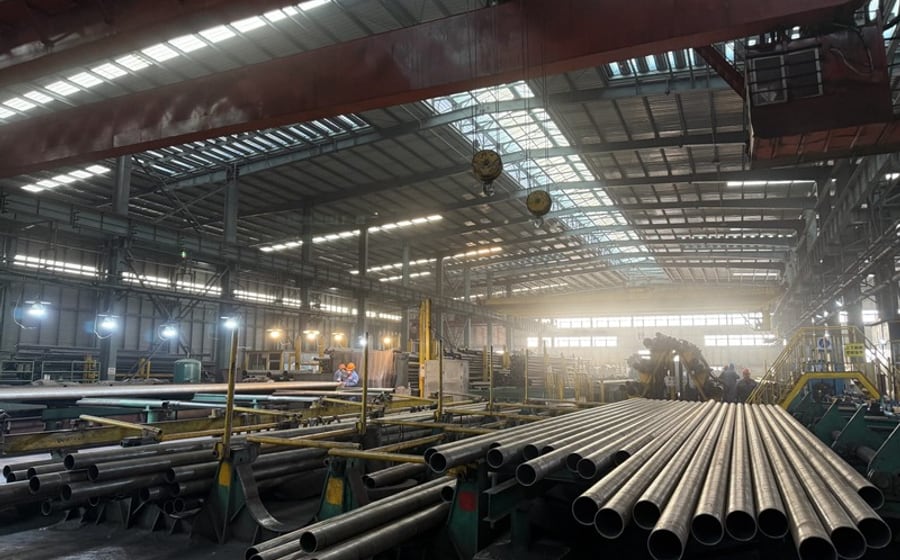
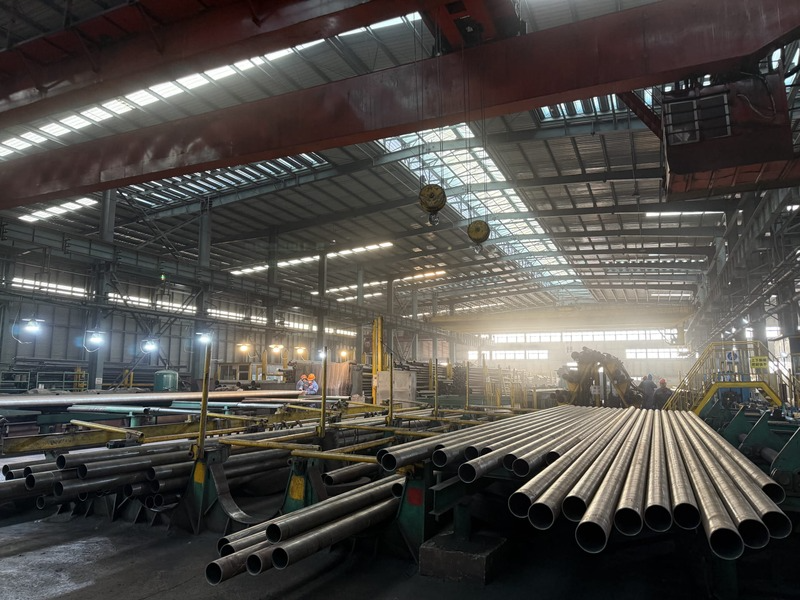
Forged integrity is verifiable: it’s the documented chain of forge, heat treatment, nondestructive examination, mechanical test, and a heat number that follows the fitting from billet to crate.
The forging route is a defined engineering discipline, not a sourcing shortcut. For large-bore tees and skew tees, the order file should document blank preparation, multidirectional forging where required, heat treatment, nondestructive examination, mechanical testing, and the heat number that follows the fitting from billet to crate. Forging helps reduce internal void risk compared with poorly controlled cast or welded equivalents.
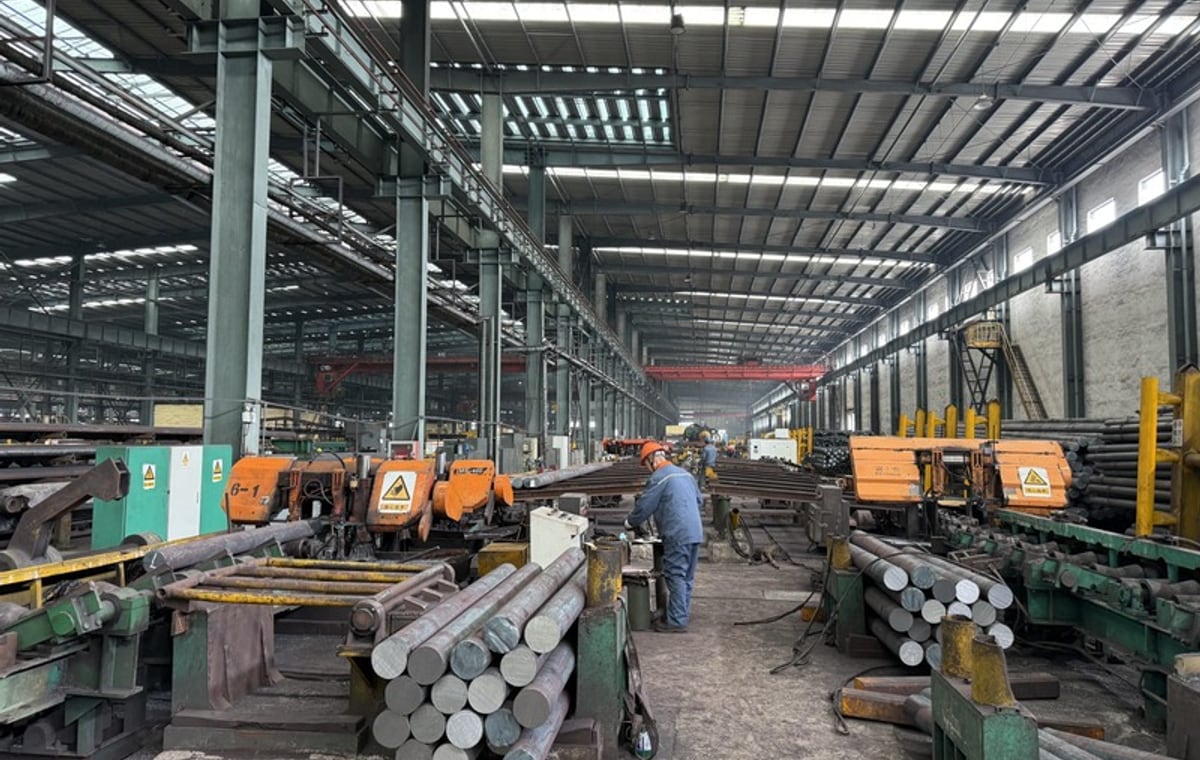
“We hold the mill test certificate for the mother pipe and the finished fitting under one heat number, and we keep the transfer marking through every cut. When a buyer audits us, the heat number on the crate matches the chemistry on the certificate, that is the test most offshore stock fails.”Synbase Steel Engineering Team
| Integrity layer | What Synbase documents | Buyer verification |
|---|---|---|
| Material origin | MTC for mother pipe/plate + finished fitting, one heat number | Cross-check chemistry on both |
| Forge & heat treatment | Forging route + solution anneal (SS ≥1040°C) / PWHT record | Process record on request |
| Wall verification | Finished wall vs 87.5% B16.9 minimum | Ultrasonic wall check on arrival |
| Nondestructive exam | RT/UT per project; B31.1 needs 100% RT >750°F | Radiograph / report review |
| Certificate level | EN 10204 3.1 standard; 3.2 third-party on request | PMI/XRF positive material ID |
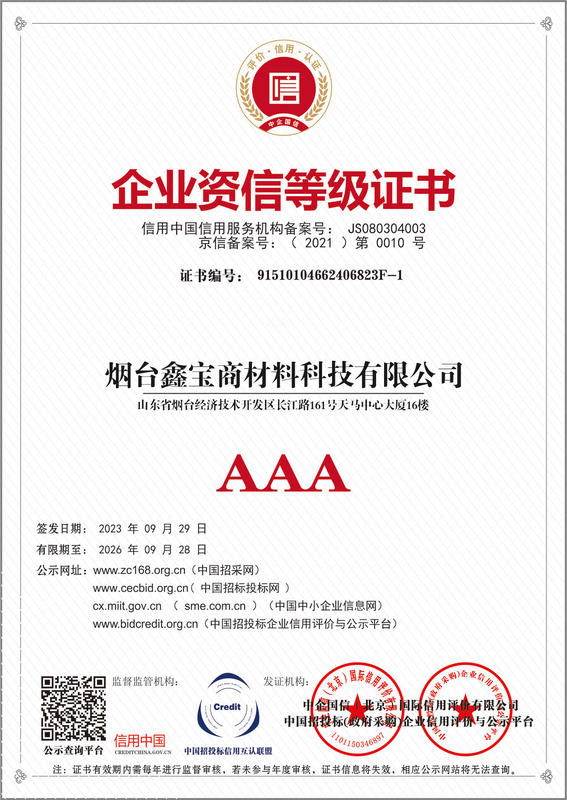
Synbase fittings are manufactured and certified to the management-system and product standards that EPC and energy buyers audit before approval.
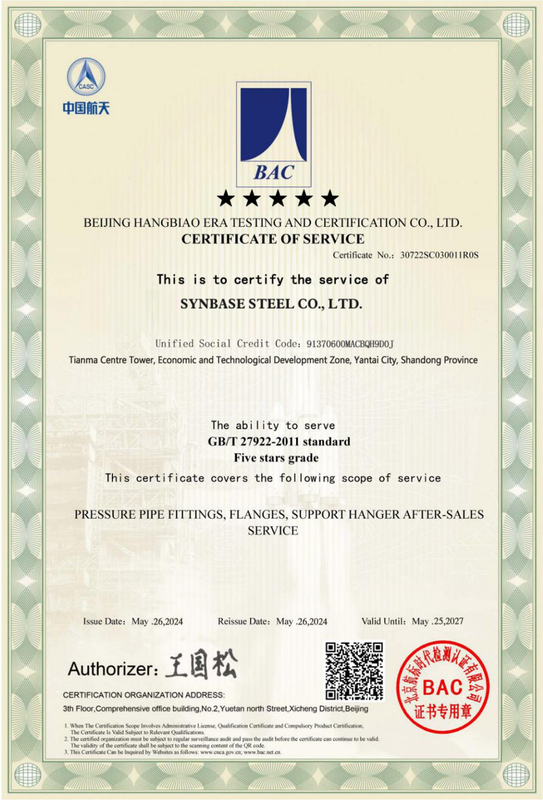
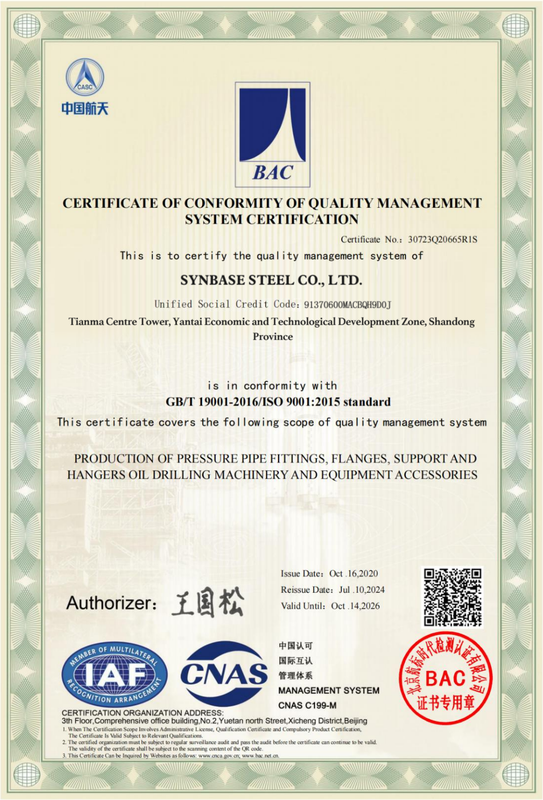
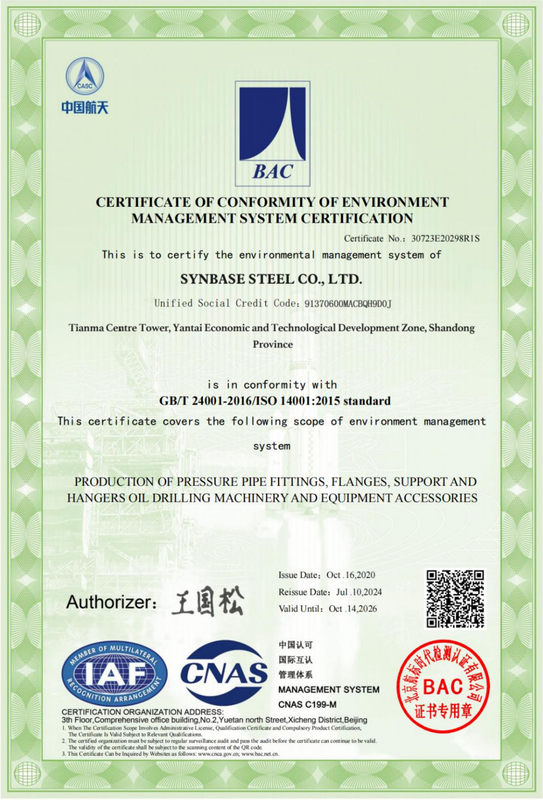
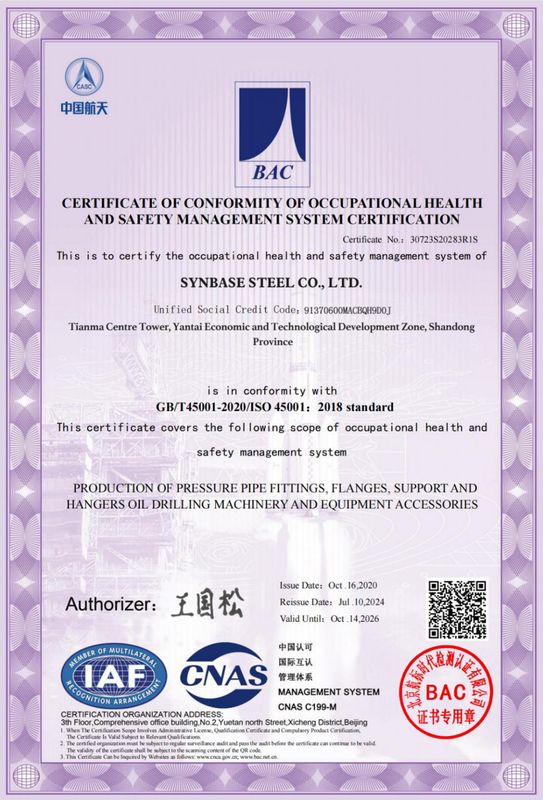
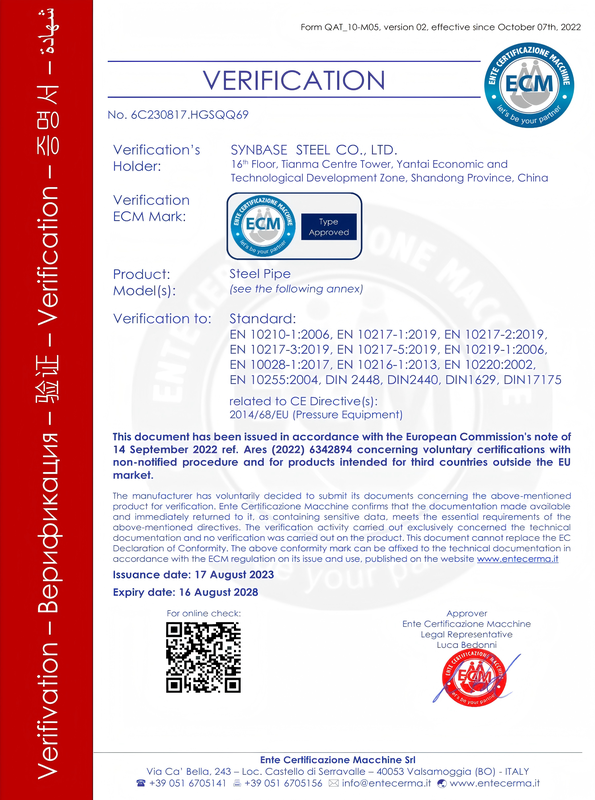
Product-level conformity spans the standards a fitting is actually built to: dimensional ASME B16.9 / B16.11 / B16.28, material ASTM A234 and A403, high-yield MSS SP-75, and pipe basis B36.10M / B36.19M. For sour service we certify to NACE MR0175 / ISO 15156.
A certificate stack only earns its place if it survives an audit. EPC approval reviews usually ask for the certificate behind a specific heat number, not a generic letterhead. Synbase supports that review with heat records, inspection files, and current ISO 9001/14001/45001 and CE documentation issued with the order package, so buyers can check the evidence behind the shipment rather than relying on a generic stamp.
Model the U.S. import-duty exposure on a steel pipe fitting, including A-570-814 antidumping scope and the Section 232 steel tariff.
Access Tool ➔Get a code-aligned starting point for butt-weld vs socket-weld and the matching schedule, based on size, service, and pressure.
Access Tool ➔Assemble a complete, unambiguous fitting line for your request for quotation — the critical fields Synbase needs to quote a transparent landed cost.
Access Tool ➔Technical insights and specifications for industrial piping components.
A concentric reducer shares a common centerline and is used for vertical or pump-discharge lines; an eccentric reducer offsets the centerline, keeping one side flat to prevent air pockets on pump-suction lines or to maintain a level bottom on pipe racks.
Use butt-weld for NPS 2.5 and larger and for any corrosive or high-cycle service; use socket-weld for small-bore NPS 1/2–2 utility lines. ASME B31.3 prohibits socket welds above NPS 2 and bans them under severe cyclic conditions, so the choice isn’t always a free cost trade.
Yes, but never weld them directly with a matching filler, the diluted weld form brittle, crack-prone martensite. Use an over-alloyed filler: 309L for carbon-to-304/304L and 309LMo for carbon-to-316/316L, per AS/NZS 1554.6.
Carbon steel is the anode and corrodes preferentially. For a welded joint that can’t be isolated, carry a barrier coating up to 50 mm onto the stainless and coat the carbon side; for bolted joints, use a dielectric isolation kit.
It’s a maximum working-pressure rating at ambient temperature, not a dimension and not a psi guarantee, allowable pressure de-rates as temperature rises. Socket-weld classes exist only at 3000, 6000, and 9000; there’s no Class 150 socket-weld fitting.
Match the fitting schedule to the connecting pipe, because a butt-weld fitting takes its rating from the connecting pipe wall. Don’t over-specify, a heavier schedule shrinks the bore and raises velocity and erosion risk.
Contact the mill using independently sourced contact details rather than the numbers printed on the certificate, and run positive material identification (PMI/XRF) on arrival. For A234 fittings, require certificates for both the finished fitting and the mother material.
Some carbon steel butt-weld fittings may fall under U.S. antidumping scope depending on diameter, HTS classification, origin, exporter status, and current ruling. Stainless, forged socket-weld, and large-diameter carbon fittings may be treated differently. We state duty assumptions for broker review before shipment.
ASME B16.9 sets dimensions and tolerances for butt-weld fittings, ASME B16.11 covers forged socket-weld and threaded fittings, ASTM A234 and A403 govern carbon/alloy and stainless materials, and MSS SP-75 covers high-yield line-pipe fittings.