Send Your RFQ to Synbase Steel
Prefer to send drawings, BOMs or attachment lists by email? sales@synbasesteel.com

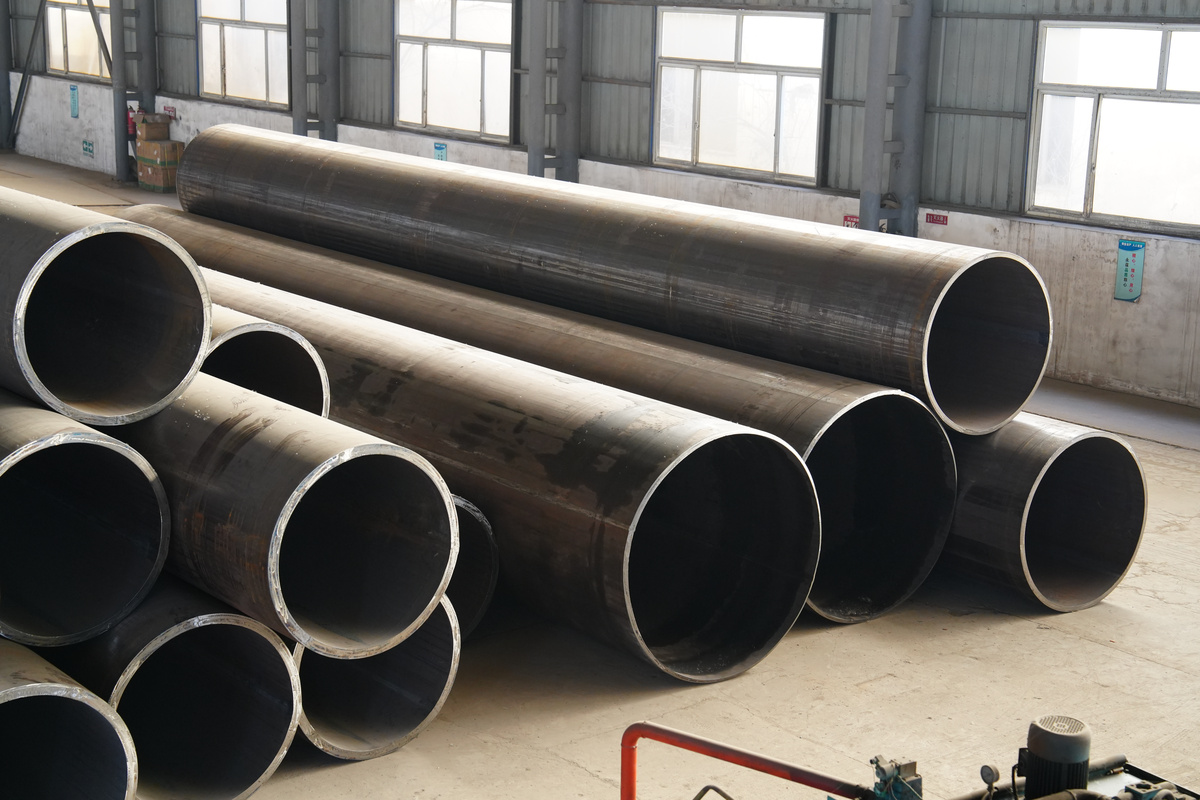
A welded steel pipe is formed by rolling steel plate or coil into a cylinder and fusing the seam – and on a modern mill that seam is no longer the weak point buyers were warned about a generation ago. What actually matters on a pipeline, water, or structural tender is narrower: which weld process – ERW, LSAW, SSAW – and which grade actually matches your diameter, working pressure, and budget.
Synbase supplies all three processes plus API5L line pipe from one mill group, so the process gets matched to the spec instead of to whatever a trader happens to stock.
Request a Quote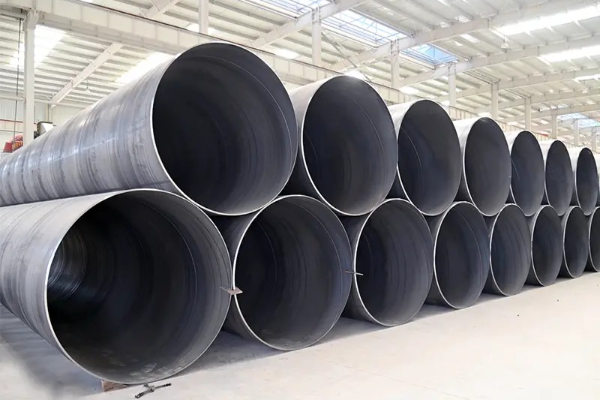
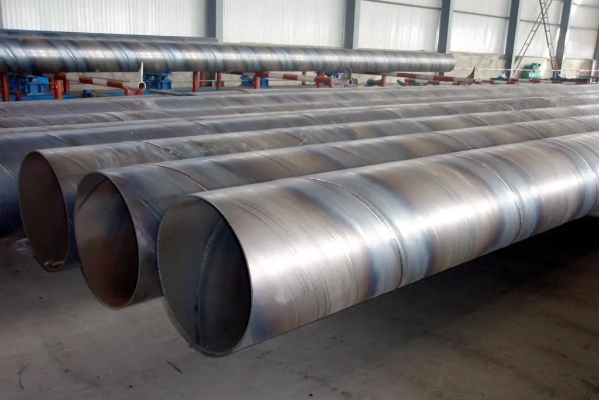
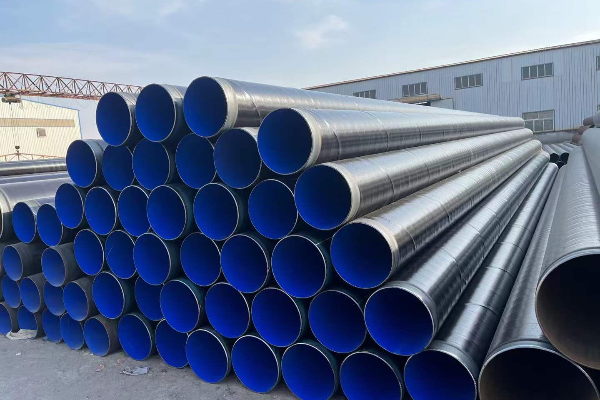
Most welded-pipe regret traces back to one mistake made way upstream — the process got picked for what was cheap or sitting in stock, not for the service it actually had to survive. Order ERW for a high-pressure trunk line and the wall tops out too thin; order LSAW for a low-pressure water main and you overpay for inspection you never needed.
So we start every quote the same way - by routing diameter, wall, pressure, and grade to the process that win on each, not by pushing one line.
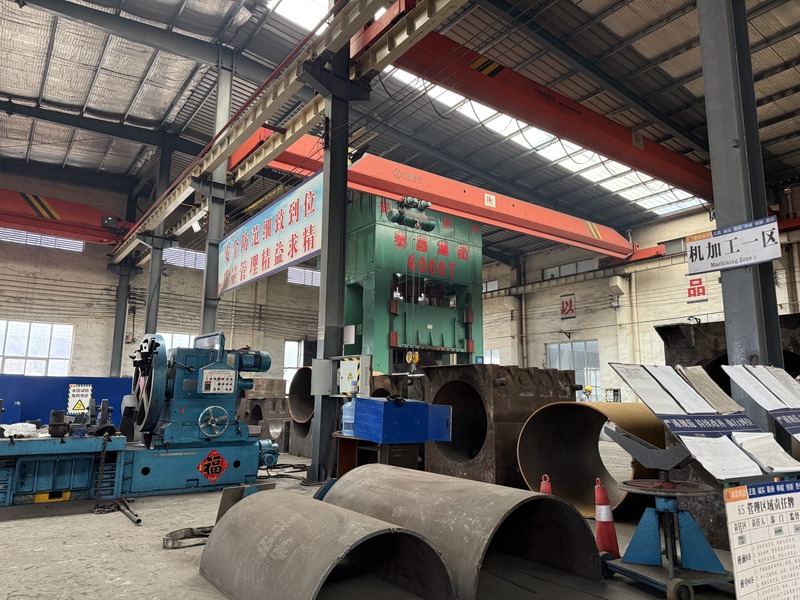
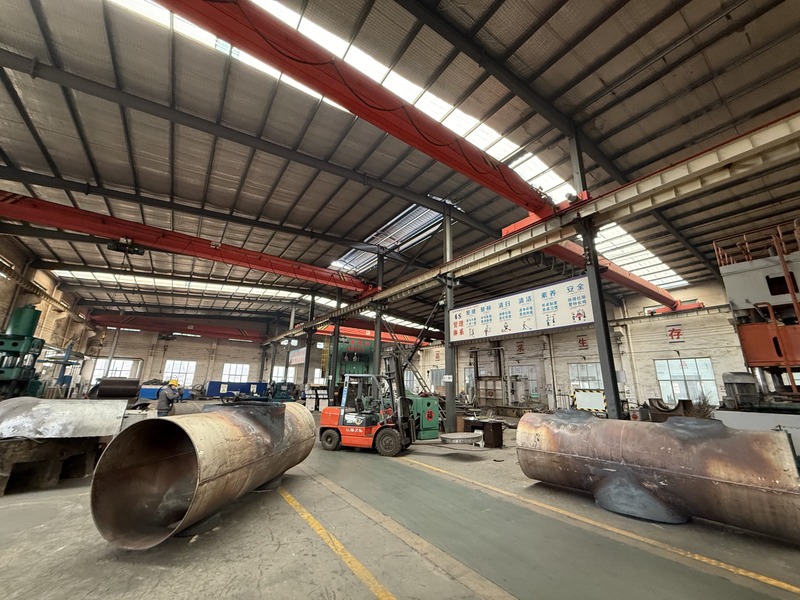
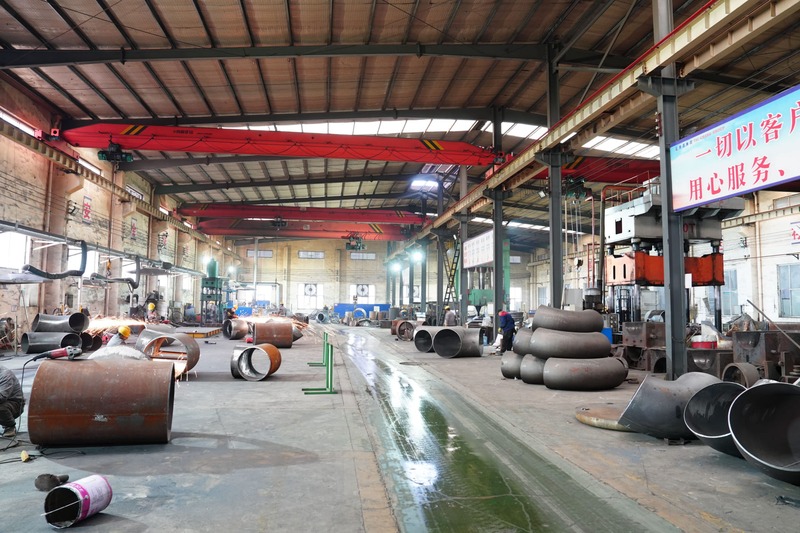
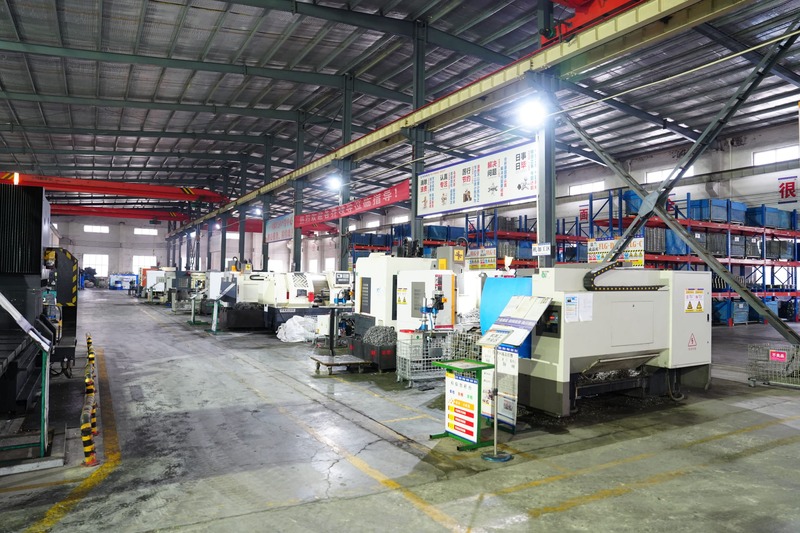
Unlike a distributor matching you to whatever sits in the rack, Synbase manufactures all three processes in-house to ISO 9001 - so a 1220 mm water transmission line and a 508 mm X65 gas application each get the right weld, not the available one. That is the structural reason process-first quoting beats price-first quoting for pipeline OEMs and EPC contractors. We will not claim one process wins everywhere; the honest answer is that the trade-off shifts with every diameter and pressure.
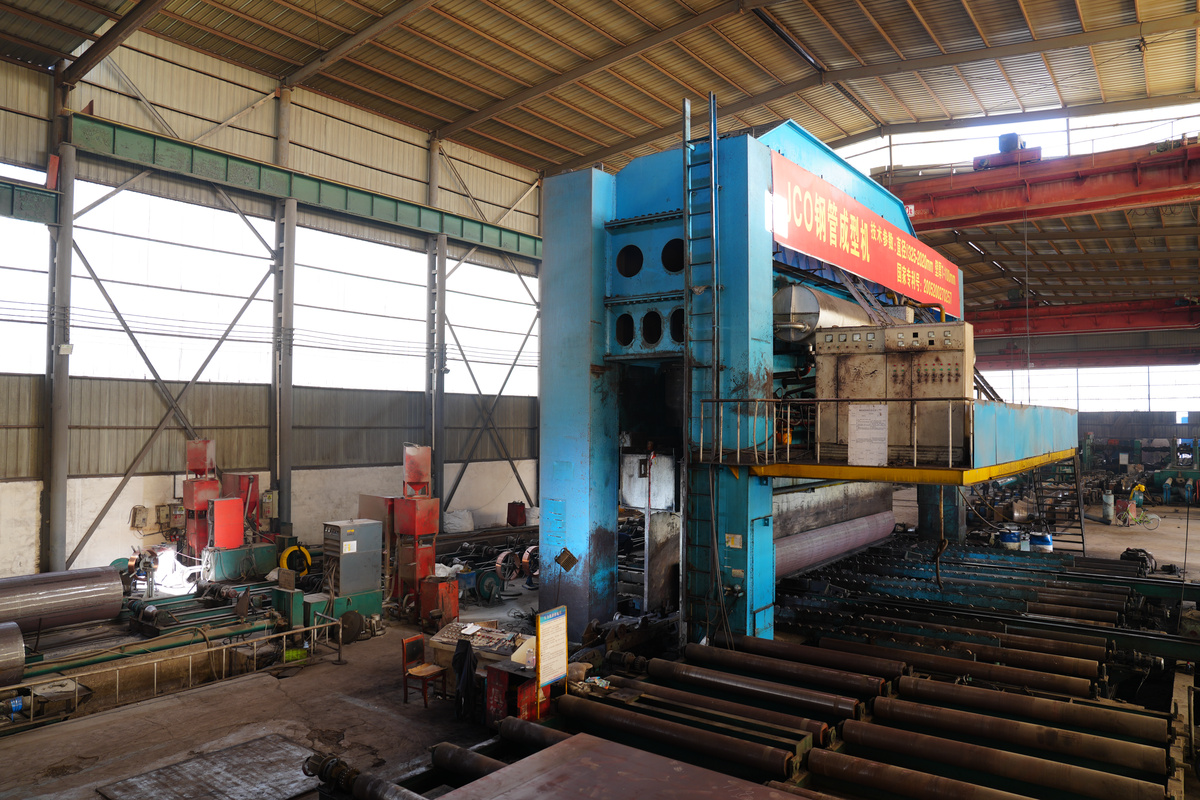
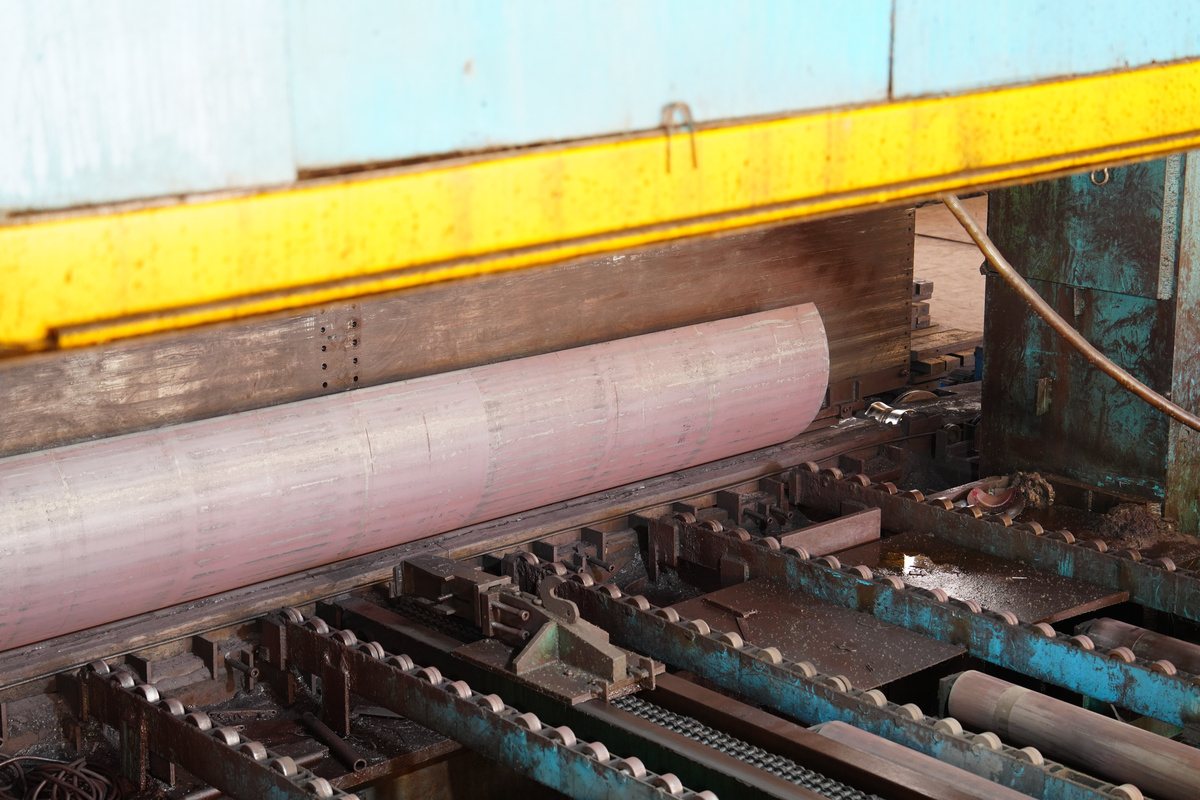
Use ERW (electric-resistance/high-frequency welded) for diameters up to about 24" at low-to-medium pressure; use LSAW (longitudinal submerged-arc, JCOE/UOE-formed) for high-pressure oil-and-gas trunk lines and heavy walls from 16" up; use SSAW (spiral submerged-arc) for cost-driven water transmission, piling, and large-diameter low-pressure lines. API 5L is the line-pipe specification layered on top of all three.
This is the table no distributor publishes - it routes each process to the spec window where it actually wins, with the inspection regime and weld-joint factor that go with it.
| Process | Weld seam | OD range | Wall | Grades | Inspection / joint factor E | Best-fit service |
|---|---|---|---|---|---|---|
| ERW / HFW | Longitudinal HF resistance, no filler | 1/2"–24" | ≤12.7 mm | API 5L X42–X70, A53, A500 | Online UT + hydro; E=0.85 | Mid/low-pressure transmission, structural, distribution |
| LSAW (JCOE/UOE) | Longitudinal double SAW | 16"–60" | 6.4–40 mm | API 5L X42–X100, PSL2 | 100% UT + RT, E=1.00 | High-pressure oil & gas trunk lines, offshore, heavy wall |
| SSAW / HSAW | Spiral double SAW | 16"–120"+ | 6–25 mm | API 5L X42–X80 | UT + hydro | Water transmission, piling, large-diameter structural |
| API 5L line pipe | Any of the above | full range | per process | X42–X80, PSL1/PSL2 | PSL2: impact@0°C + per-pipe NDT + hydro | Oil, gas & water conveyance (spec overlay) |
Joint factors per ASME B31.3; LSAW carries ~60% fewer welds than spiral pipe of the same length.
Not sure which process your diameter and pressure call for?
Send your spec for a free process-match check →Picking the wrong line here is an expensive mistake - order ERW where the spec needs X70 LSAW and a 12.7 mm wall fails inspection. Synbase manufactures ERW, LSAW and SSAW on dedicated in-house lines certified to ISO 9001 and API 5L, because the right weld process is driven by pressure and diameter, not by what a trader has in stock. Unlike resellers who drop-ship from whoever is cheapest that week, we hold the production capacity to keep one project on one heat trace.
Every line is available in carbon steel, alloy, and stainless steel — from carbon steel pipe to welded stainless steel pipe and stainless-steel pipe to ASTM A312 — across standard pipe sizes, with corrosion resistance, beveling, and matching pipe fittings ready for installation.
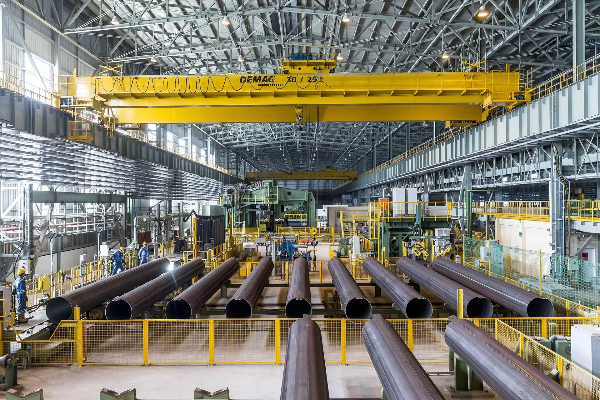
The fastest are diameter. Anything over 24-in., there's no more commercially available seamless pipe - the choice isn't welded or seamless; it's welded where the wall and pressure you need.
| Diameter band | Process that wins | Why |
|---|---|---|
| 1/2"–16" | ERW / HFW | Continuous coil feed, lowest cost, fastest lead time |
| 16"–24" | LSAW (high-pressure) or ERW | LSAW for heavy wall & X65+; ERW for standard service |
| 24"–60" | LSAW | Only practical option above 24"; full UT+RT trunk-line grade |
| 24"–120"+ | SSAW / HSAW | Lightest mill capex → lowest cost for water & piling |
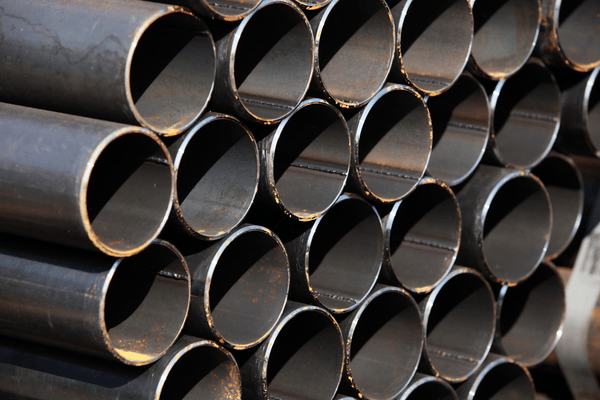
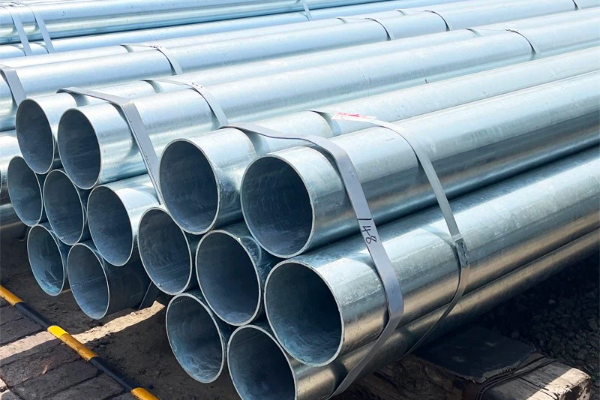
High-frequency electric resistance welded pipe, sourced from coil (available also as welded steel tube) for structural, standard-pressure transmission, and distribution pipe.
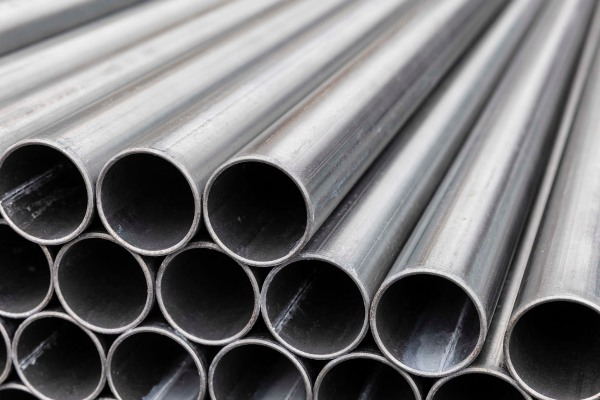
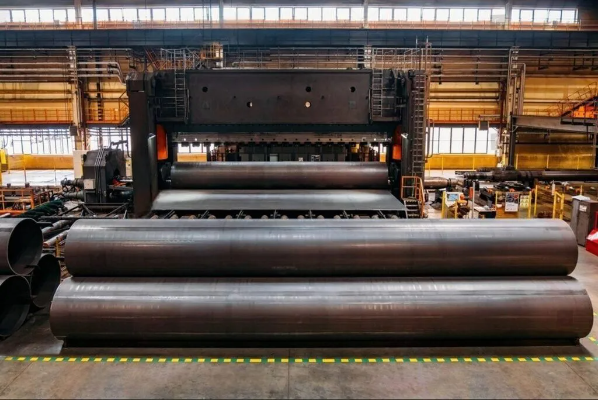
Longitudinal submerged-arc welded pipe (JCOE/UOE) with a double-sided, full-penetration weld construction for offshore trunk lines, high-pressure applications, and includes DSAW pipe.
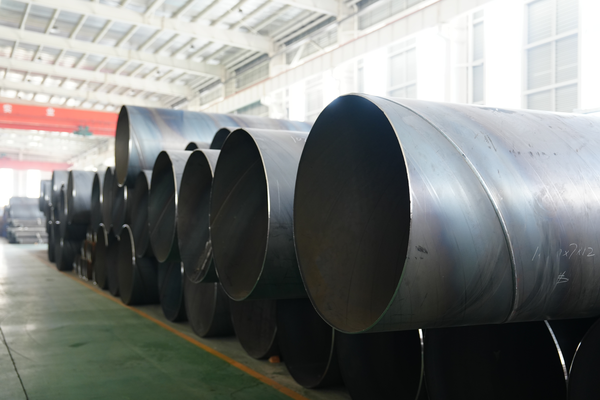
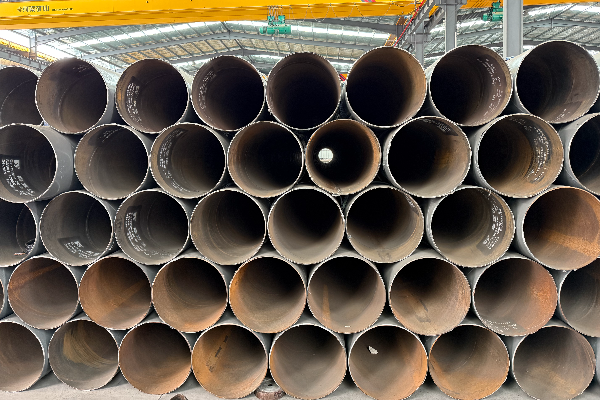
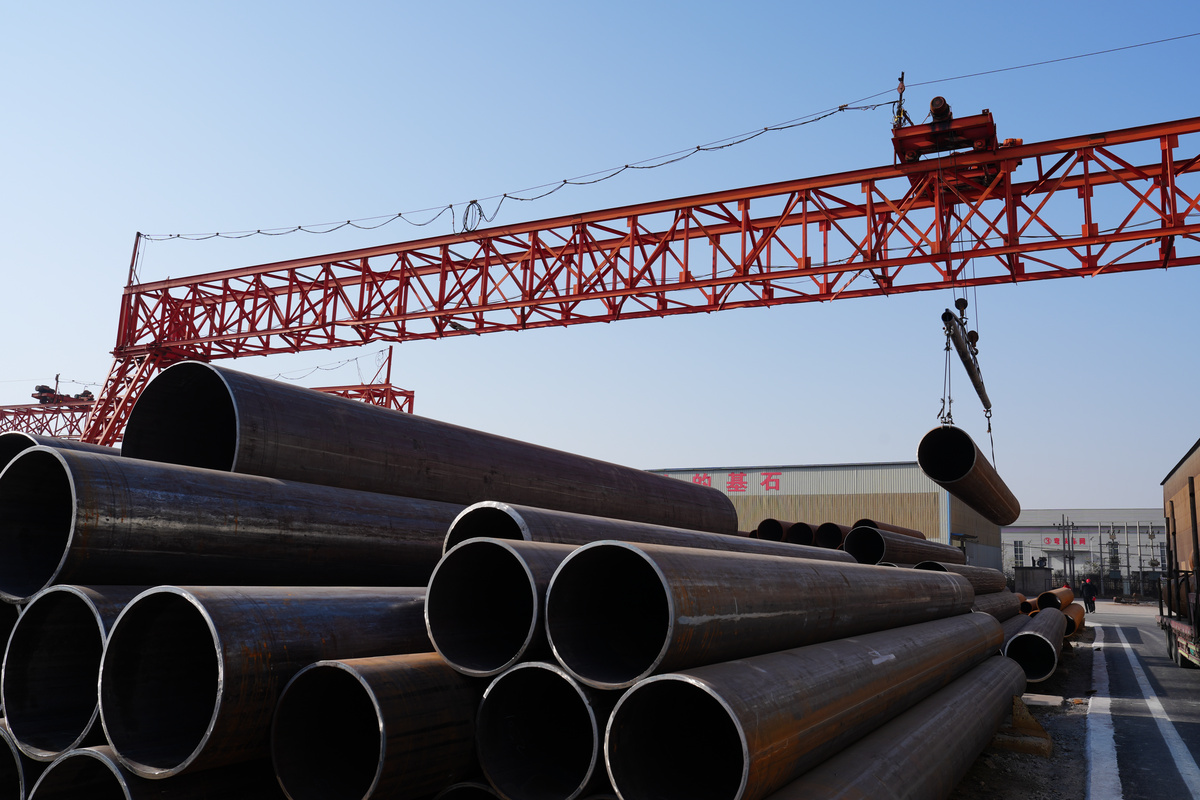
Spiral submerged-arc welded pipe, also known as spiral welded pipe, sourced from coil, which is the lowest-cost option for large-diameter diameter steel pipe in water, piling, and standard-pressure structures.
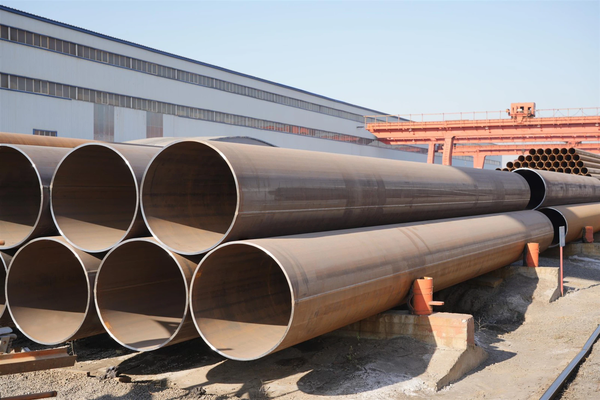
Oil and gas transmission pipe in sizes matching the API5L PSL1 or PSL2 specification and provided in ERW, LSAW, or SSAW.
This is the oldest objection in the catalog, and for modern inspected pipe it no longer holds. Independent technical comparisons put a high-frequency-induction ERW pipe on par with seamless up to about 80% of yield strength, and ahead of it on low-temperature toughness.
The "weld seam is the weak point" idea was true for un-inspected pipe decades ago. It is not how a double-sided SAW seam behaves today under 100% ultrasonic and radiographic inspection.
For modern HFI-ERW and LSAW pipe, yes within their rated service. A fully inspected double-submerged-arc seam carries a weld joint factor of E=1.00 under ASME B31.3 — identical to seamless — while inspected ERW carries E=0.85. ERW also shows better low-temperature toughness than seamless. Seamless still leads only in the highest-pressure sour-service applications where every shutdown risk is engineered out.
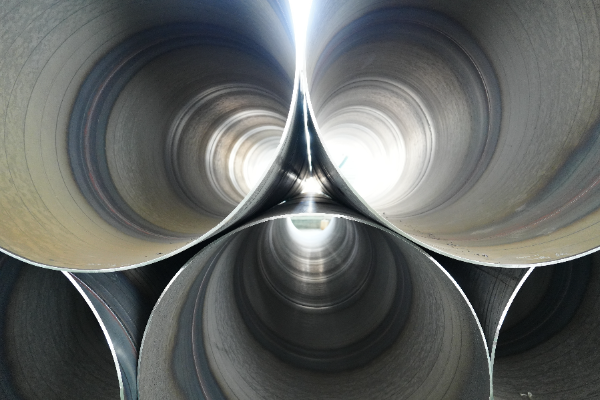
Four checks are what really separate a pipe you can trust from a number on a price list. Every Synbase welded pipe has to clear all four of them before it ships.
| Check | What it proves | Synbase standard |
|---|---|---|
| 1. Weld joint factor | Seam strength vs base metal | E=1.00 (LSAW full RT) / E=0.85 (ERW), per ASME B31.3 |
| 2. Weld process | Fusion quality & toughness | HFW / double-side SAW — HFI matches seamless ≤80% yield |
| 3. Non-destructive testing | Hidden seam & body defects | 100% UT + RT on SAW; per-pipe hydrostatic on PSL2 |
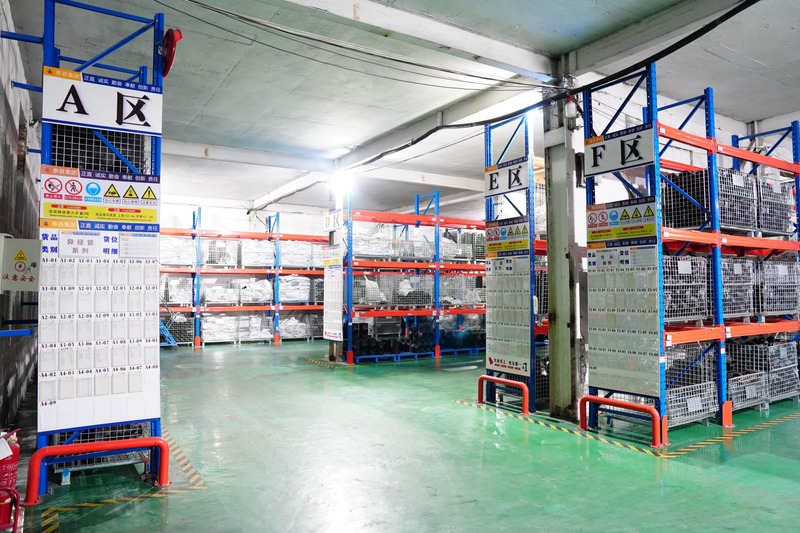
| 4. Traceability | The pipe is the pipe on the cert | EN 10204 3.1 MTC, heat number matched to body stencil |
"We run full-body ultrasonic on every SAW joint and match the heat number on the certificate to the stencil sprayed on the pipe before it leaves the bay. A weld factor is only worth anything if the cert actually belongs to the steel in your yard."
Welded pipe is not a compromise grade — above 16 in it is the engineered default for most pipeline, water, and structural work, and above 24 in it is the only option seamless cannot fill. Globally, the large-diameter steel pipe market is on track for roughly US$13.6 billion by 2026, with LSAW alone heading toward US$7.6 billion. LSAW forming and through-thickness weld-integrity test methods are documented in granted patents such as US 11,747,241.
The mistake buyers make is treating welded pipe as the budget compromise among the three types of steel pipe — above 24 in it is the only engineered option. Synbase manufactures it to API 5L and AWWA C200 from ISO 9001 mills serving 100+ countries, and unlike a reseller we hold the production capacity to deliver multi-container project volumes on one heat trace for demanding industrial applications.
For municipal water and larger-diameter conveyance, our pipe also meets ASTM A139 for electric-fusion welded steel pipe, so a city water main and an industrial line draw from the same qualified stock.
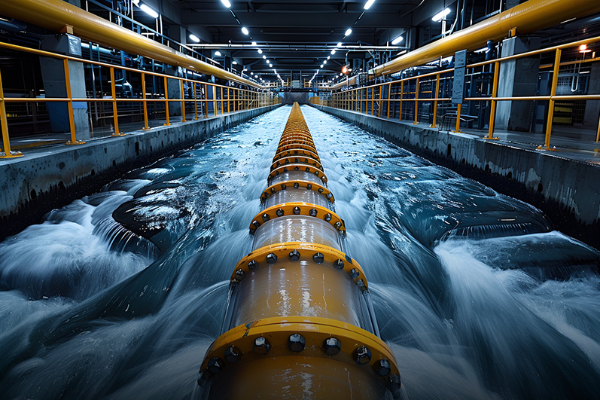
Oil & gas trunk lines & offshore - LSAW, for straight-seam strength under high pressure and in deep-water risers.
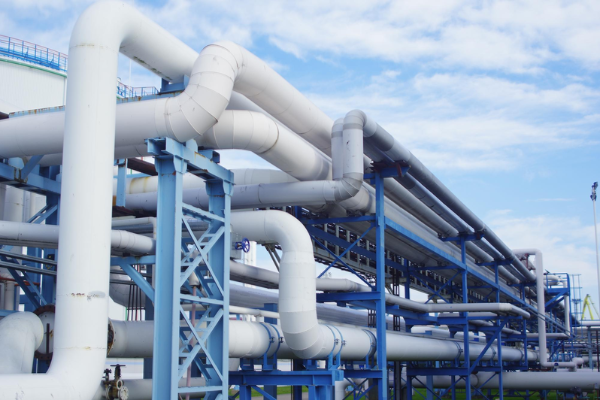
Water transmission & piling - SSAW to AWWA C200, where cost-per-metre and large diameter drive the spec.
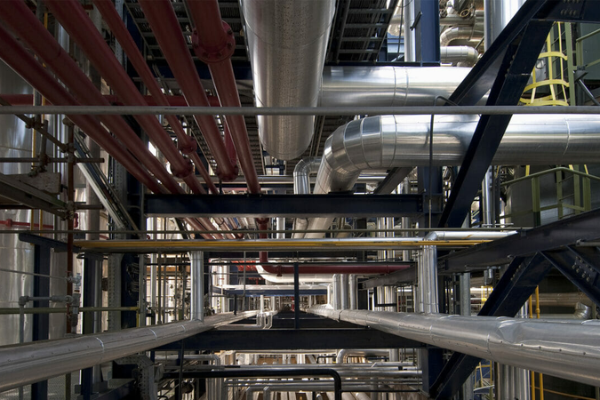
Distribution, structural & standard service - ERW/HFW under 24", for speed and economy.
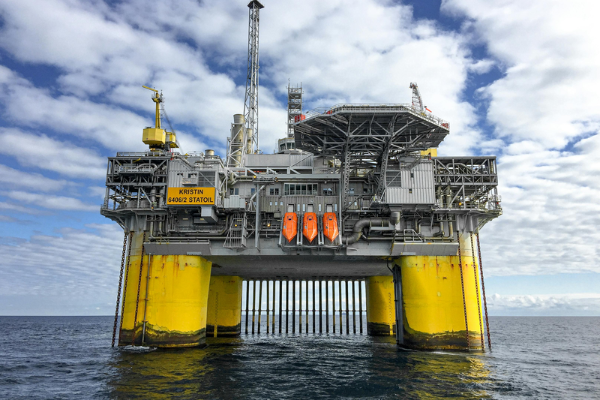
Load-bearing columns & foundations - LSAW where dimensional accuracy and wall thickness carry the load.
Most standards allow a 12.5% wall-thickness tolerance. A supplier who consistently ships at that limit hands you measurably less steel mass than you paid for - quietly raising your true cost per usable metre well above the headline quote.
We bill on actual weight, we tell you up front the tolerance we're holding, and you can check it against the MTC yourself.
A welded-pipe quote is only as good as the spec behind it. Vague RFQs are where lead times slip - one documented case had ex-works delivery drift from 20 days to four months because the order was never pinned down.
Send the eight items below and we quote firm - process, weight basis, and lead time included. Every grade ships against its governing standard, from API 5L to ISO 3183.
Most suppliers quote a price and stay silent on weight basis and tolerance - the trap is theoretical-weight billing, where the hidden cost lives. Synbase manufactures and quotes firm from ISO 9001 production lines, bills on actual weight, and holds disclosed tolerances for pipeline, water and structural applications from 15 mm to 3000 mm OD. Unlike resellers, we make the weight basis an honest line item, not a surprise.
| Spec factor | What we hold |
|---|---|
| Diameter / wall | 1/2"–120"+, custom OD/wall/length to drawing |
| Grades | Carbon, alloy, stainless; API 5L X42–X100; A53/A252/A672/A139 |
| Tolerance | Disclosed up front; actual-weight billing, not theoretical |
| Coating & ends | 3LPE, FBE, galvanized; bevelled / threaded ends |
| Documentation | EN 10204 3.1 MTC standard; 3.2 third-party on request |
| Terms | FOB / CFR / CIF; staged or container-load shipments |
The hardest part of buying steel pipe from China isn't price - it's knowing the certificate belongs to the steel. The industry has a documented problem with fabricated mill certs, "head-and-tail" coils that meet spec only at the ends, and single test records copied across tens of thousands of feet.
Synbase answers that one head-on — with traceability you can actually audit, not adjectives.
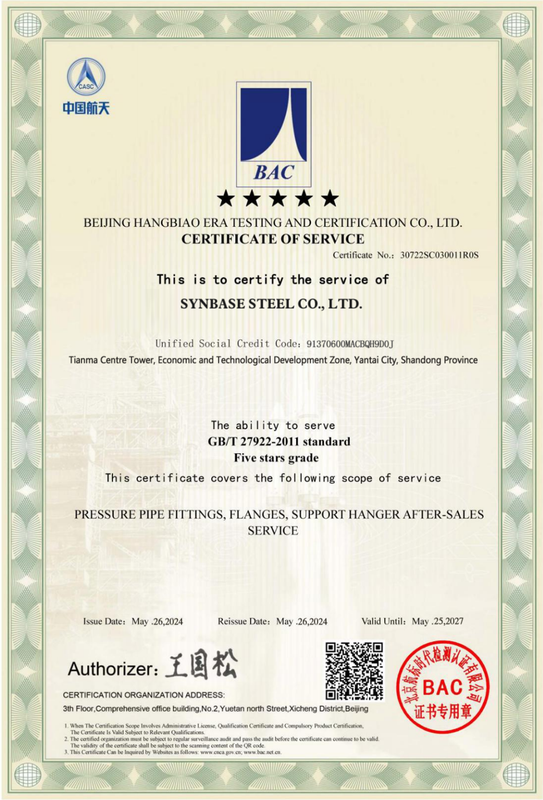
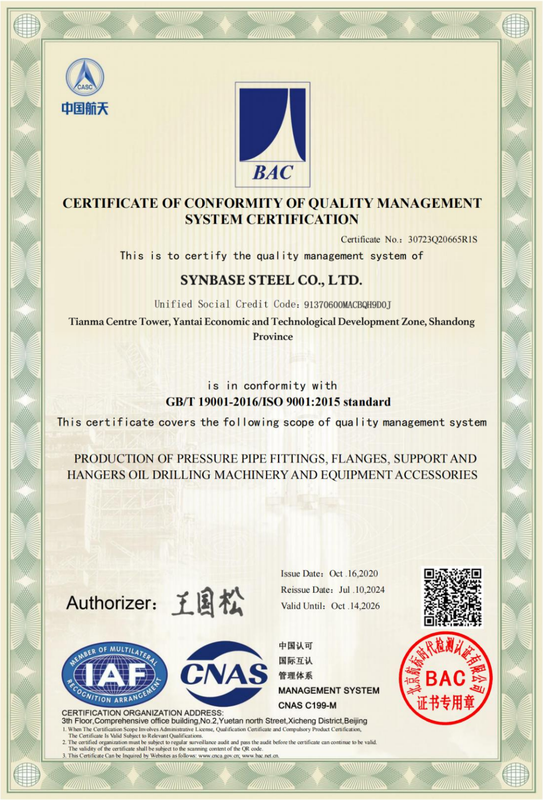
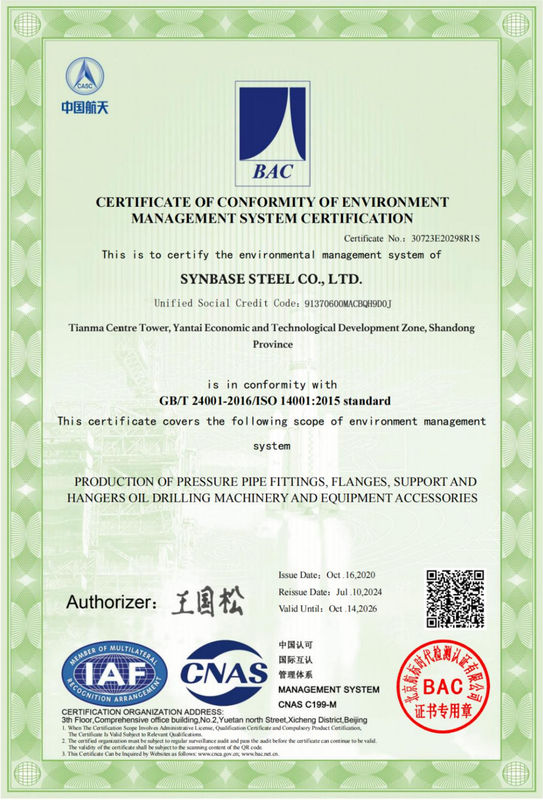
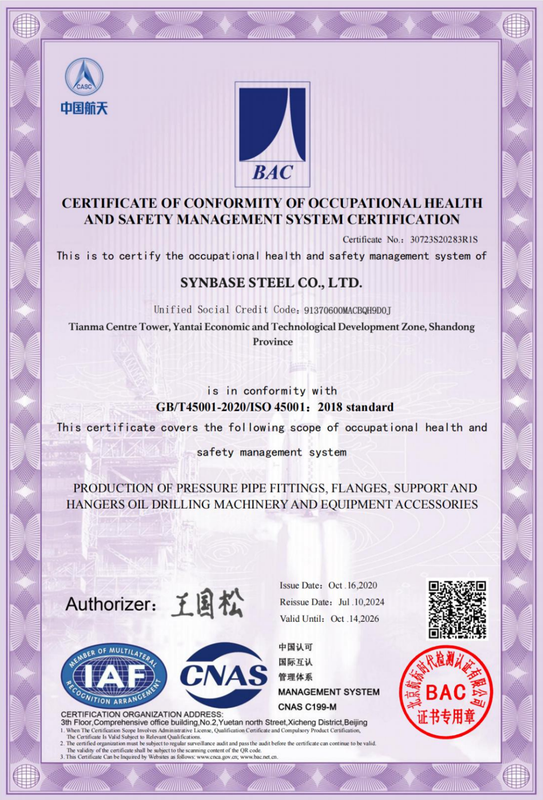
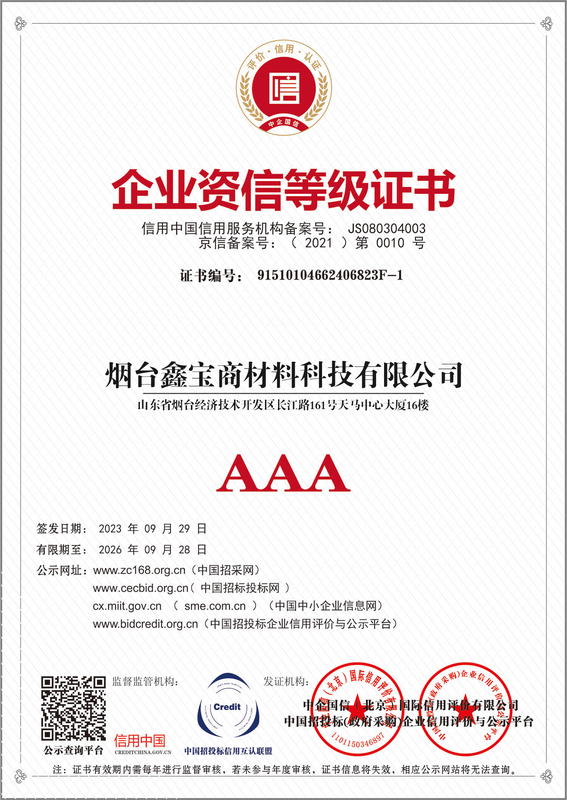
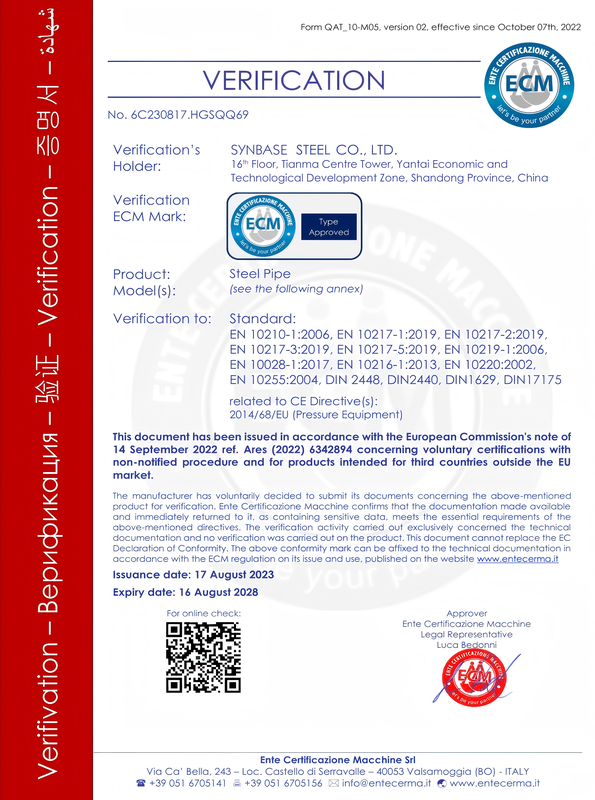
Match the heat number printed on the MTC to the stencil sprayed on the pipe body — they must be identical. Confirm the certificate is EN 10204 3.1 (issued by the maker's independent QC, the counterpart of ISO 10474) or 3.2 (countersigned by SGS, Bureau Veritas, TÜV, DNV, or Lloyd's). For critical subsea or HPHT service, require 3.2. Synbase issues 3.1 as standard and welcomes 3.2 third-party inspection on request.
Ask for the MTC before shipment, not after. Check that chemistry, mechanical results, heat number, and dimensions all reconcile to one heat - and that this heat number appears on the pipe. As a member of the China Iron & Steel Association, supplying through the E-CHENG group with Baosteel, TPCO, Ansteel, and TISCO in the supply chain and 800+ patents on file, we keep that chain intact rather than papering over it.
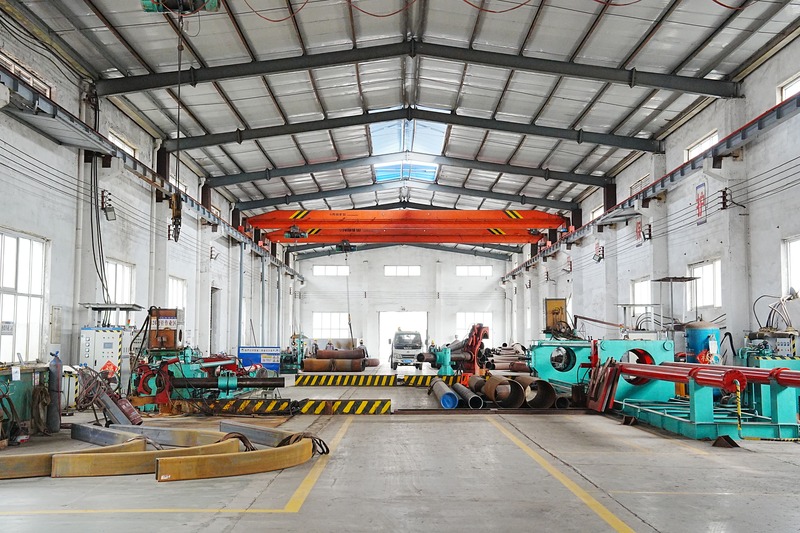
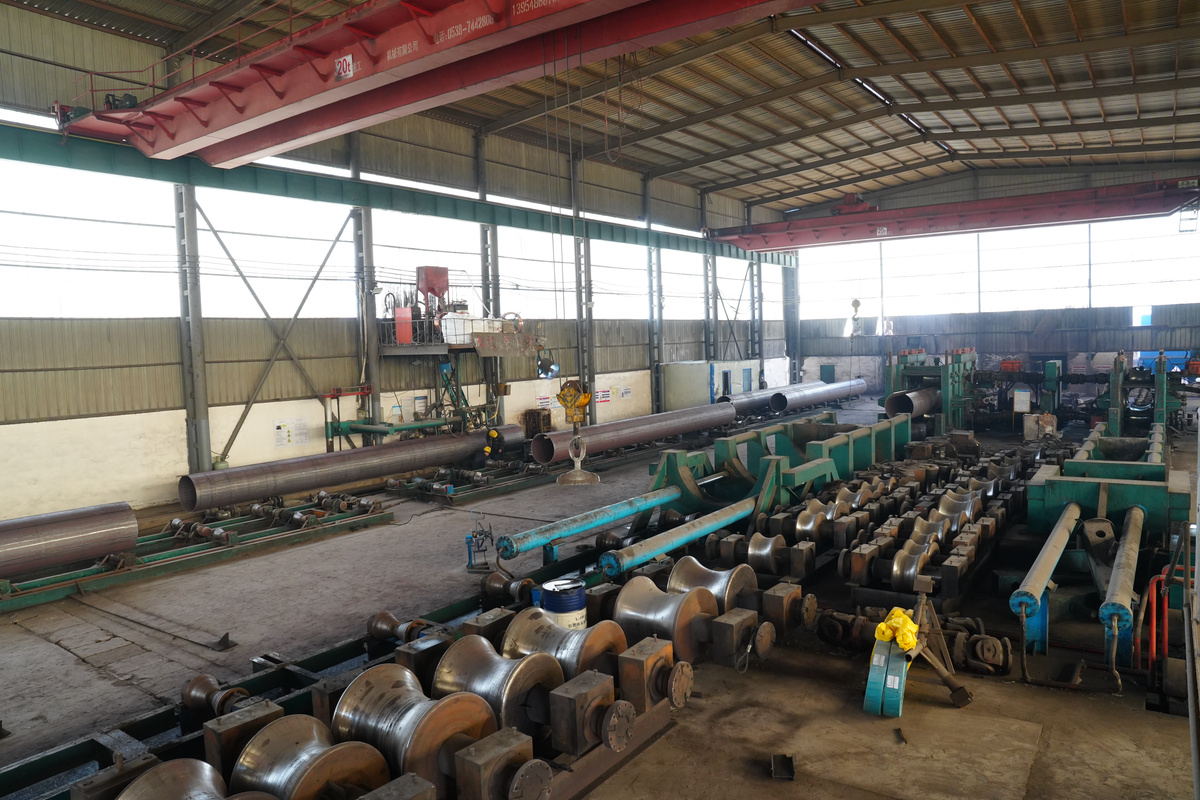
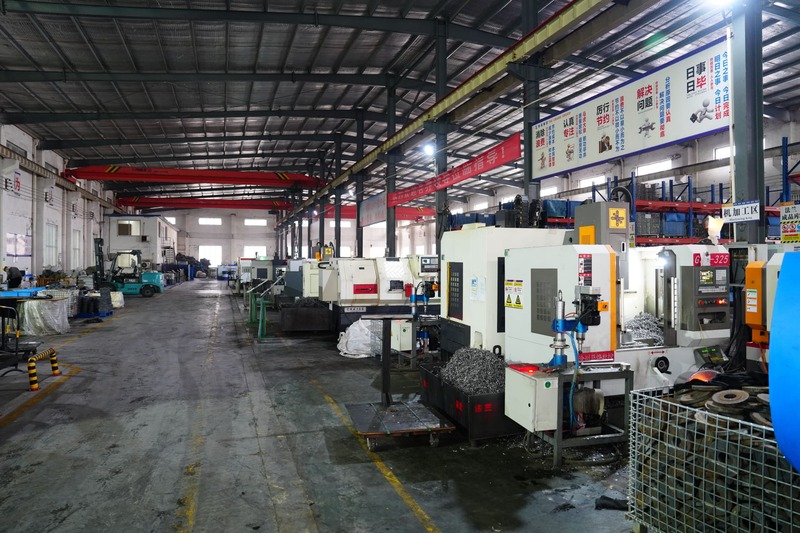
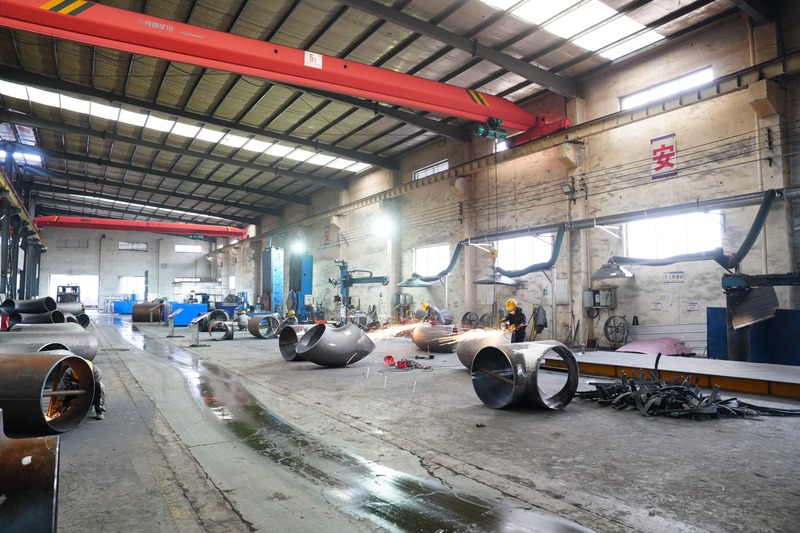
Core calculation and reference utilities to determine precise specifications for your pipeline project.
Functional routing for diameter, wall thickness, and pressure requirements to determine the optimal welding process.
TOOL_02Dimension-based theoretical and actual weight calculation to estimate project tonnage and transport logistics.
TOOL_03Standard reference chart mapping API 5L line pipe grades to Specified Minimum Yield Strength (SMYS) and testing parameters.